

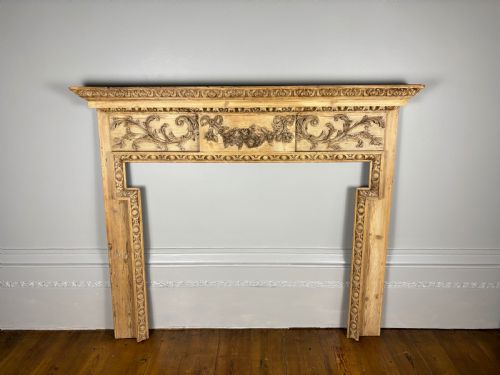


Carved Floral Fireplace
These carved floral fireplace pieces bring together period marble, timber and textile work to anchor a traditional room with genuine historic character.
Carved Floral Fireplace
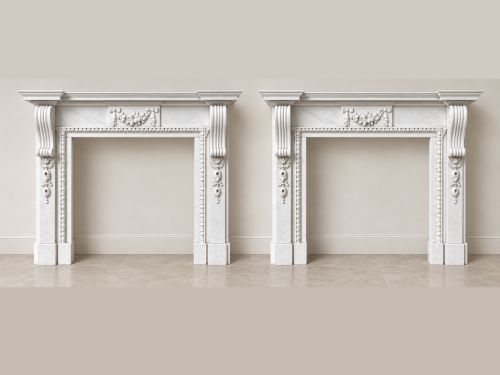
A carved floral fireplace search brings up a varied collection of architectural surrounds and interior accessories spanning the Georgian, Victorian and Edwardian eras. Buyers encounter substantial white marble architectural surrounds alongside smaller fireside items designed to manage heat and draft.
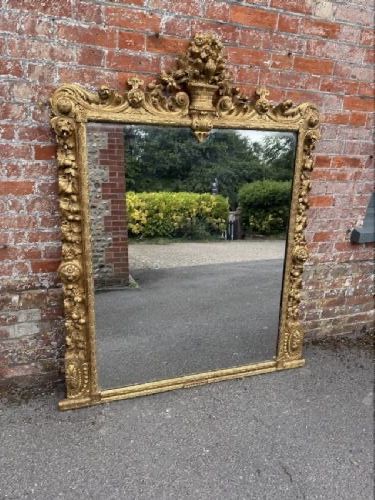
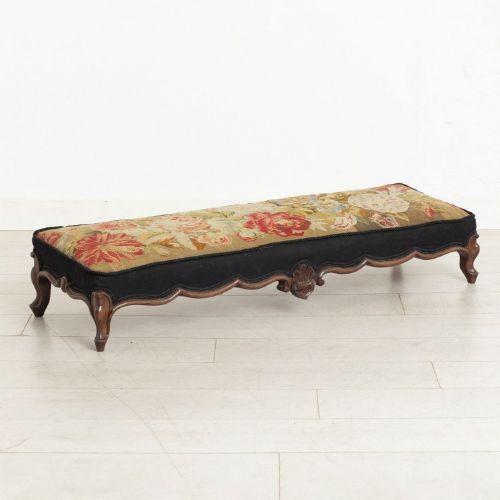
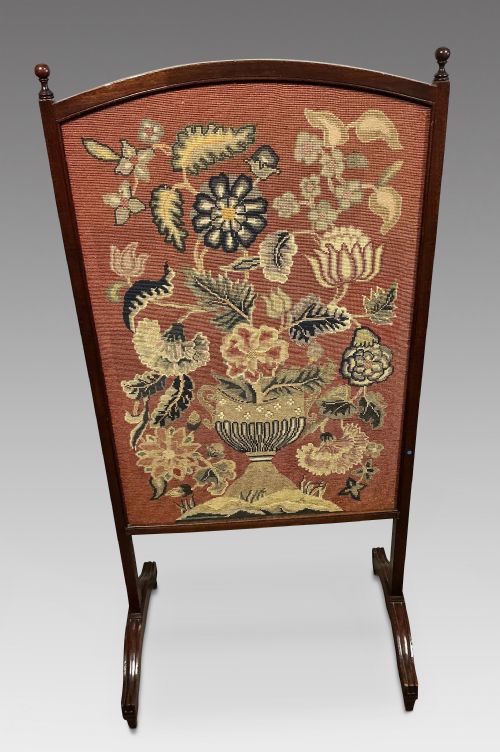
The objects listed range from sturdy pine and marble fireplace surrounds to decorative fire screens, overmantel mirrors and footstools. Many pieces feature carved floral motifs in wood and stone, accompanied by woolwork and tapestry panels executed in the nineteenth century.
How they were made
Cabinetmakers and masons utilised traditional hardwoods, statuary marble and pine, shaping timber with hand tools and carving stone to precise architectural proportions. Surviving examples demonstrate joinery techniques suited to domestic heating environments.
Textile accessories incorporate woolwork and tapestry panels mounted within rosewood, mahogany and walnut frames, often supported on tripod bases or carved legs. Gilt finishes and painted details appear on mirror frames and overmantels alongside copper metalwork.
Object forms include fire screens, overmantel mirrors, fireplace surrounds, footstools, planters and log buckets.
What varies in quality
Quality rests upon the crispness of the carving and the integrity of the materials, whether in the depth of a marble surround or the stability of a tripod pole screen base. Finer examples display meticulous hand chiselling and well-preserved original fabrics.
Proportion and scale distinguish standard production from substantial architectural pieces intended for principal rooms. The integration of decorative elements like lily of the valley motifs or bobbin turning marks the distinction between ordinary and accomplished execution.
The Carved Floral Fireplace Glossary
- Pole screen
- A vertical fireside screen with an adjustable panel mounted on a central wooden pole to shield the face from radiant heat. These typically stand on tripod bases.
- Overmantel mirror
- A large mirror designed to hang directly above a fireplace mantelpiece. They often feature carved frames reflecting the architectural style of the room.
- Tapestry panel
- A woven textile insert depicting pictorial or floral scenes used within fire screens and footstools. Wool and canvas were standard materials for these needlework additions.
- Statuary marble
- A fine-grained white marble utilised for neoclassical and Victorian fireplace surrounds. It takes a smooth finish suited to intricate floral carving.
- Cabriole leg
- A furniture leg that curves outward and then tapers inward, ending in a pad or foot. This form appears frequently on Victorian footstools and seating.
Carved Floral Fireplace: Frequently Asked Questions
What is a pole screen used for?
A pole screen protected a person's face from the intense radiant heat of an open coal fire. The adjustable panel slid up and down a central wooden shaft to block the warmth as needed.
In period interiors, these stands sat near the hearth as both functional items and decorative displays of needlework skill.
How do I date a marble surround?
Dating relies on the architectural profile, the style of the floral carving and the specific type of marble used. Georgian surrounds tend toward simpler classical lines, while Victorian examples often show heavier relief work.
Examining the rear surfaces and the method of assembly also helps determine the manufacturing period.
Where did overmantel mirrors hang?
Overmantel mirrors hung on the wall immediately above the fireplace mantelpiece. They served to reflect light from windows and candles around the room while visually expanding the space.
These large mirrors were central decorative fixtures in nineteenth century reception rooms.
Are tapestry panels original to the screens?
Many screens retain their original nineteenth century woolwork and tapestry panels, executed in wool and canvas. Hand-stitched needlework was a common domestic pursuit during the Victorian era.
Signs of age in the fibres and the way the textile is secured to the frame indicate whether the panel belongs to the period of the stand.