





Carved White Mantelpiece
These pieces for a carved white mantelpiece bring presence to a room, ranging from marble fireplaces to carved wood mirrors.
Carved White Mantelpiece
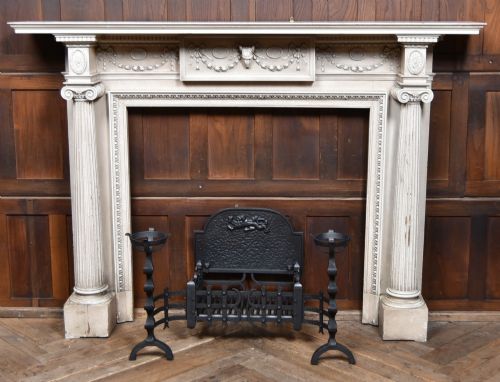
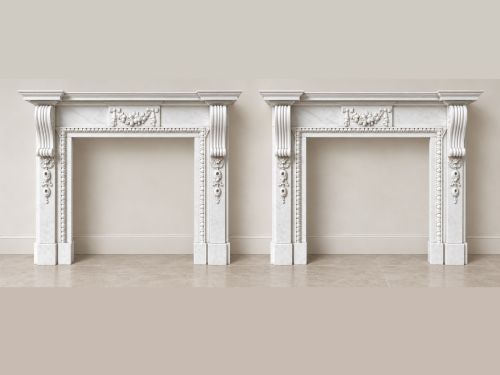
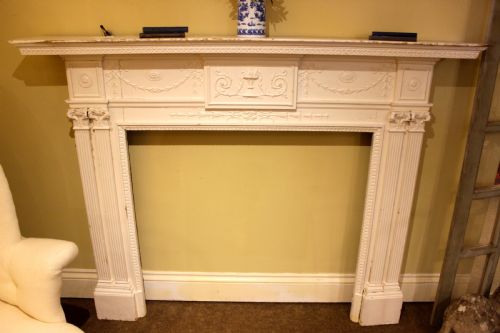
A carved white mantelpiece encompasses fireplace surrounds and overmantel mirrors spanning the nineteenth century through the Edwardian period. Buyers searching this term often find large Victorian white marble fireplaces alongside painted pine fire surrounds.
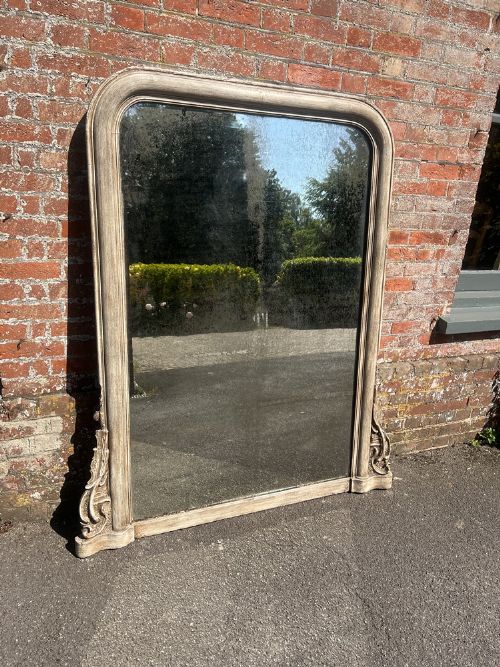
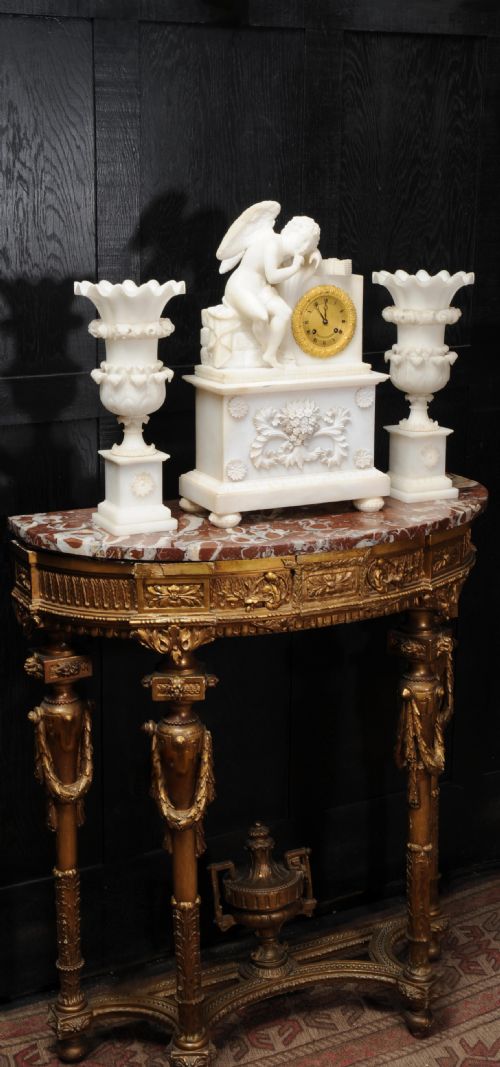
The selection also includes overmantel mirrors in carved wood and gesso, alongside French and nineteenth century alabaster clock sets. These objects define the hearth and the wall space directly above it.
Origins stretch across English and French workshops, utilising neoclassical, Regency revival, and Louis XVI styles. Each form brings a specific architectural character to a room.
How they were made
Makers shaped white marble and alabaster through careful carving, producing statuary marble fireplaces and detailed sculptural busts. These stone pieces demand skilled masonry and polishing to define neoclassical motifs.
Wood and gesso construction relies on carved timber frames finished with paint, gilding, and distress effects. Overmantel mirrors combine these layered surfaces with heavy glass plates to reflect light across the interior.
Carved White Mantelpiece Retail Price Guide 2026
Typical asking prices for carved white mantelpiece among the pieces listed under this phrase on Sellingantiques today, from the lower quarter to the upper quarter. They describe what is for sale here now, not the wider market.
What varies in quality
Depth and crispness of the carving separate standard architectural fittings from exceptional decorative works. Neoclassical swags and figural details reveal the hand of a more accomplished artisan.
The integrity of surface treatments, from original gilding to aged paint layers, dictates the visual harmony of a piece. Original matching elements in clock sets and balanced proportions across mirror frames elevate the overall standard.
The Carved White Mantelpiece Glossary
- Overmantel mirror
- A large mirror designed to hang specifically on the wall directly above a fireplace mantelpiece. These pieces often feature arched tops and gilded wood frames.
- Gesso
- A plaster-like material applied to wood before gilding or painting to create a smooth, buildable surface for fine carving. It allows crisp decorative relief details.
- Statuary marble
- A fine-grained white marble favored for classical sculpture and high-status nineteenth century fireplace surrounds. It takes a clean, smooth polish.
- Alabaster
- A fine-grained translucent stone used for Victorian clock sets and sculptural busts. Its softness permits intricate carving work.
Carved White Mantelpiece: Frequently Asked Questions
How do I clean a white marble fireplace?
Wash the marble gently using warm water and a soft cloth, avoiding acidic cleaners that can etch the polished stone surface. Dry thoroughly with a clean cloth to maintain the finish.
For stubborn marks, consult a specialist in historic stone conservation rather than applying abrasive household chemicals.
Where should an overmantel mirror hang?
Mount the mirror centrally on the wall directly above the mantel shelf, leaving a modest gap to frame the proportions correctly. Ensure the wall fixings can support the substantial weight of carved wood and glass.
Keep the lower edge parallel to the mantelpiece for visual balance within the room.
What is the difference between marble and alabaster?
Marble is a hard, crystalline metamorphic rock capable of taking a high gloss, commonly utilised for heavy structural fireplace surrounds. Alabaster is a softer, translucent gypsum stone suited for smaller decorative objects like clock sets and busts.
Both materials appear in white finishes across the nineteenth century selections.
How do I date a painted pine surround?
Examine the construction joints, tool marks, and the layering of historic paint finishes to determine the period of a pine surround. Nineteenth century pieces often show hand-planed timbers and organic crackle in the paint.
Compare the decorative moulding profiles against known Victorian or Edwardian architectural styles.