

19th Century Mantelpiece
These pieces for a 19th century mantelpiece comprise clocks, mirrors, and decorative objects designed to furnish hearths with period character.
19th Century Mantelpiece
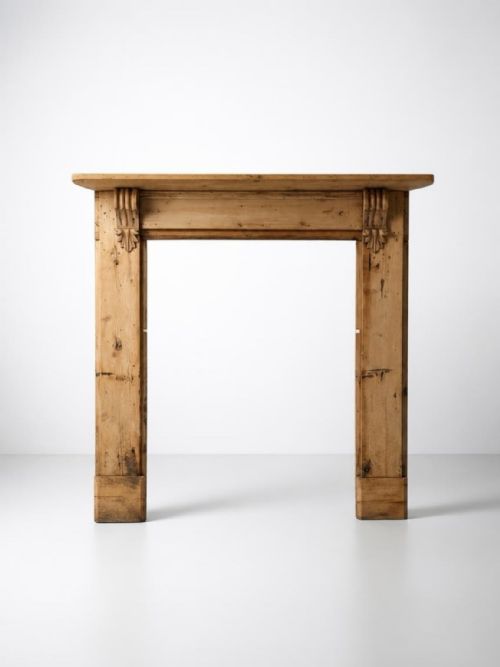
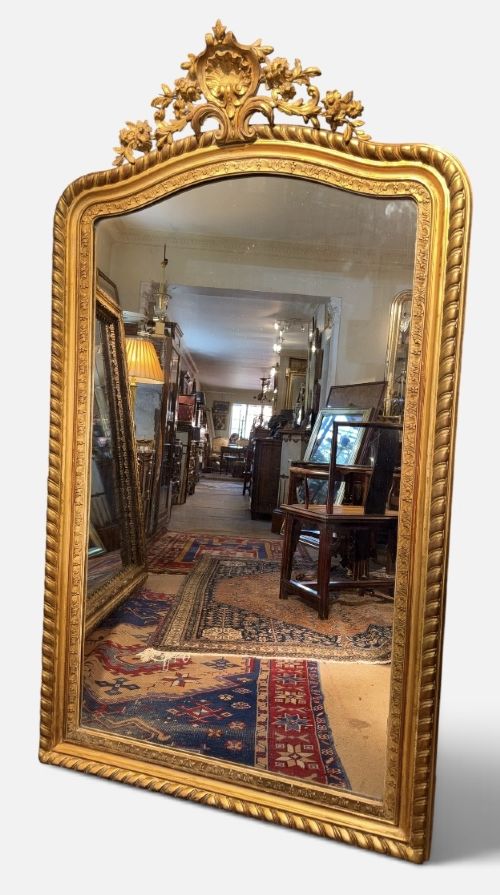
When searching for a 19th century mantelpiece, buyers encounter a diverse selection of hearth furniture, architectural surrounds, and decorative objects. The offerings span periods from the Regency era through to the late Victorian years, featuring items designed specifically to sit upon or frame a fireplace. Overmantel mirrors and fire surrounds in pitch pine or painted pine represent the architectural elements of the category.
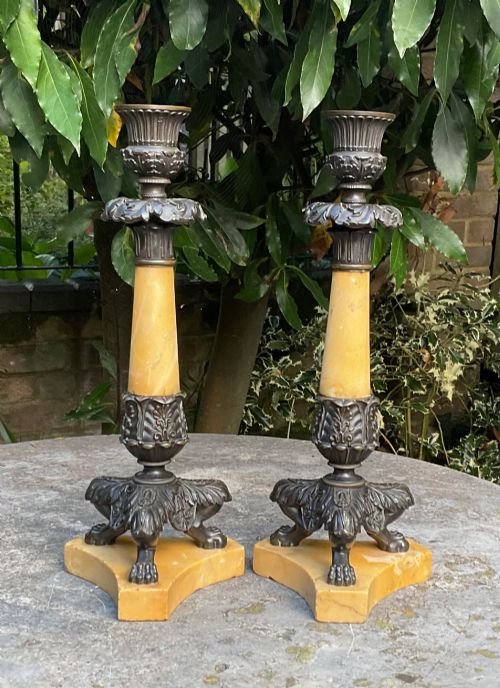
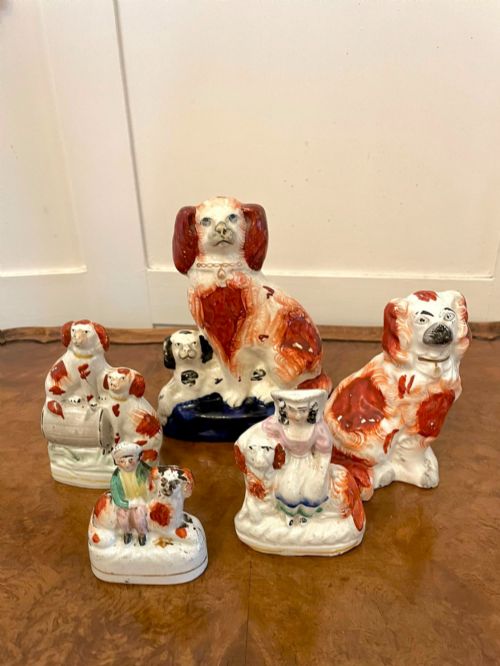
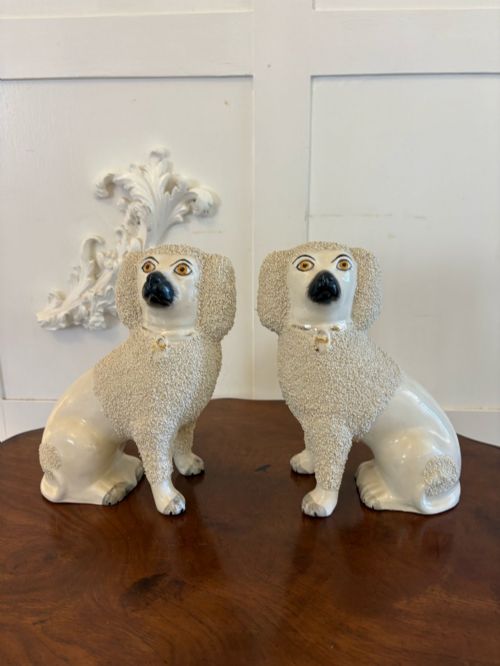
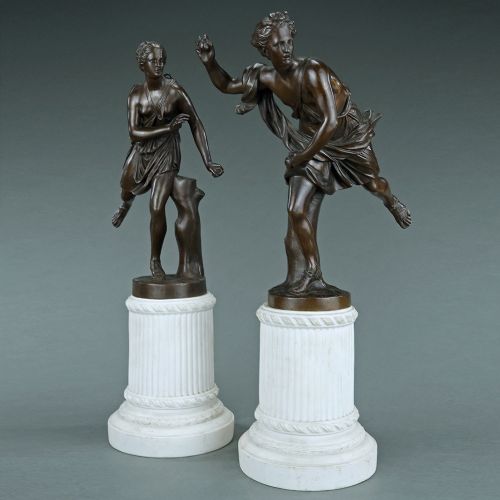
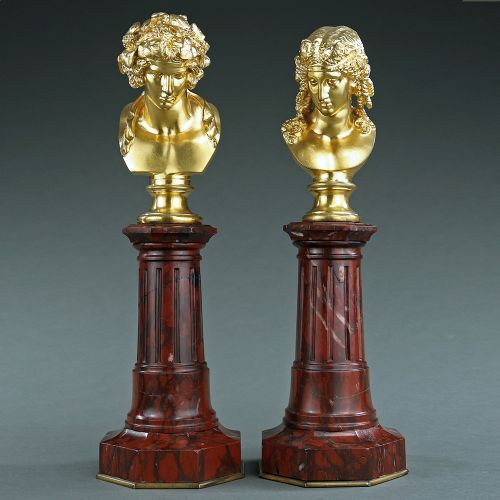
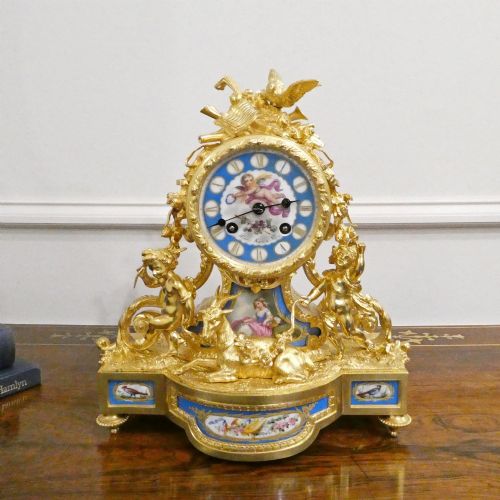
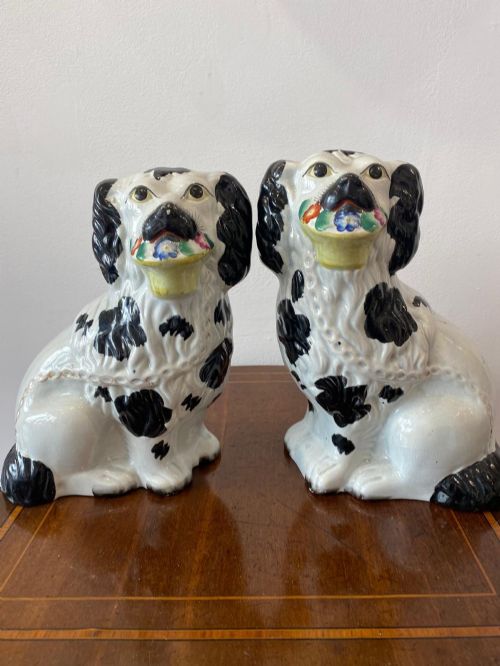
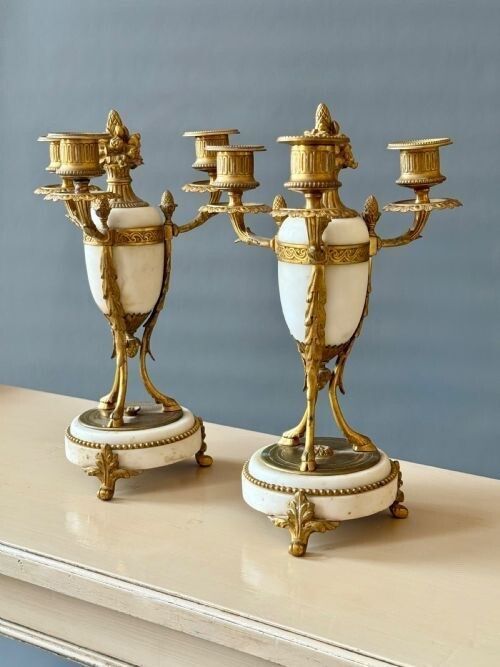
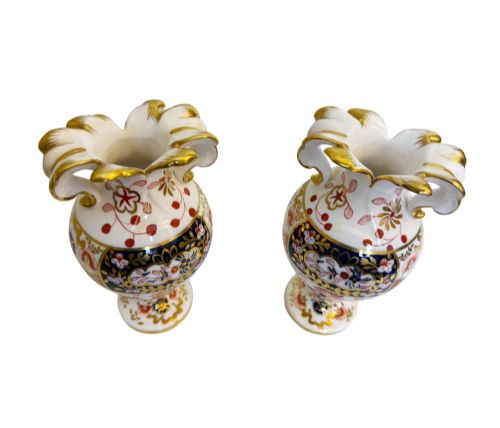
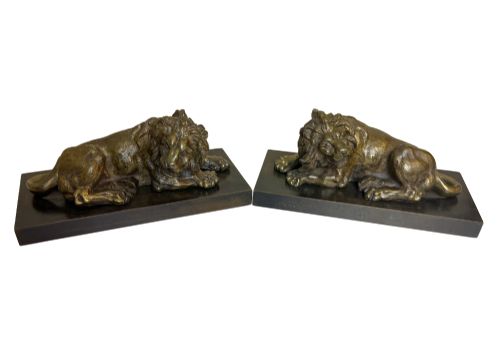
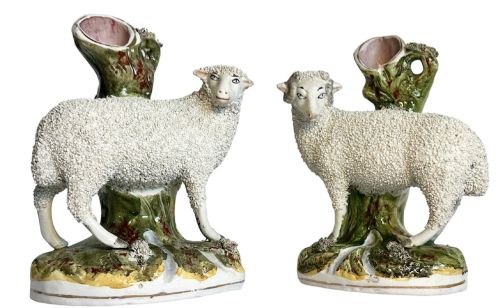
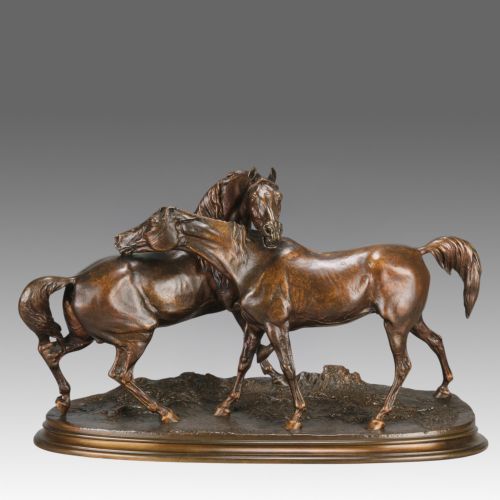
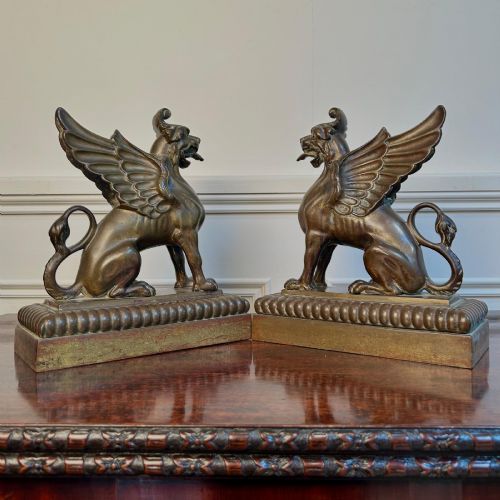
Smaller decorative items dominate the surface displays, including mantel clocks, candelabra, and pairs of candlesticks in bronze, brass, and gilt metal. Animalier bronzes, porcelain vases, and Staffordshire pottery figures such as dogs, poodles, and greyhounds appear frequently. These varied objects reflect the Victorian and Regency desire to adorn the mantel shelf with balanced decorative garnitures.
How they were made
Makers utilised traditional craftsmanship, combining carved wood and gesso for gilt mirrors and fire surrounds. Metalwork utilised bronze, brass, and ormolu, often cast using techniques that allowed for intricate detailing in figural sculptures and clock garnitures. Porcelain elements incorporated hand-painted decoration, while earthenware pottery was glazed and painted to create popular Staffordshire spill vases and figures.
Marble featured extensively as a heavy base material for clocks and candelabra, paired with cast metal components. Giltwood frames for overmantel mirrors relied on skilled application of gold leaf over prepared gesso grounds. Pitch pine and softwoods provided the structural basis for larger architectural surrounds, which were subsequently painted or polished.
What varies in quality
The degree of crispness in cast metalwork distinguishes finer bronze and ormolu pieces from standard production items. Sharply defined chasing on figural bronzes and clock garnitures indicates superior craftsmanship. Similarly, the depth and execution of carved wood and gesso on overmantel mirrors separate master carvers from standard workshops.
The selection of materials also dictates the standard of the piece, with genuine white marble and heavy fire-gilded bronze sitting at the upper end of the scale. Painted porcelain panels on mantel clocks and intact original gilding retain their visual impact better over time, influencing the overall integrity of the decorative arrangement.
Barbedienne·Henry Marc·P J Mêne·L. Vick
The 19th Century Mantelpiece Glossary
- Mantelpiece
- A structure framing the opening of a fireplace and projecting from the wall into the room. It provides a shelf for displaying decorative objects.
- Overmantel mirror
- A large mirror designed to hang directly above the mantelpiece shelf. These frequently feature carved wood and gesso frames with arched tops.
- Garniture
- A set of matching decorative ornaments designed for display together on a mantel shelf, usually comprising a central clock flanked by candelabra or urns.
- Animalier
- A nineteenth-century artistic style focusing on the realistic depiction of animals, particularly horses, lions, and dogs in bronze.
- Spill vase
- A small ceramic or pottery vessel used to hold wooden spills for lighting fires or pipes. Staffordshire examples are commonly paired as mantel ornaments.
19th Century Mantelpiece: Frequently Asked Questions
What items sit on a mantelpiece?
Mantel shelves typically display matched pairs of candlesticks, urns, or bronze figures arranged symmetrically around a central clock. Ceramic groups and pottery dogs also frequent these spaces.
These decorative groupings formed standard interior displays during the nineteenth century, combining utility with ornamental design.
How do I choose an overmantel mirror?
Consider the scale of the fireplace surround and the height of the room before selecting an arched or rectangular gilt mirror. Frame styles range from plain painted pine to elaborately carved gesso woodwork.
Ensure the dimensions allow the mirror to sit comfortably within the architectural proportions of the chimney breast.
How do I identify Regency pieces?
Regency items date from the early nineteenth century and often draw inspiration from classical antiquity. Look for clean architectural lines, bronze mounts, and restrained neoclassical ornamentation.
This aesthetic precedes the more ornate Victorian revival styles that emerged later in the century.