


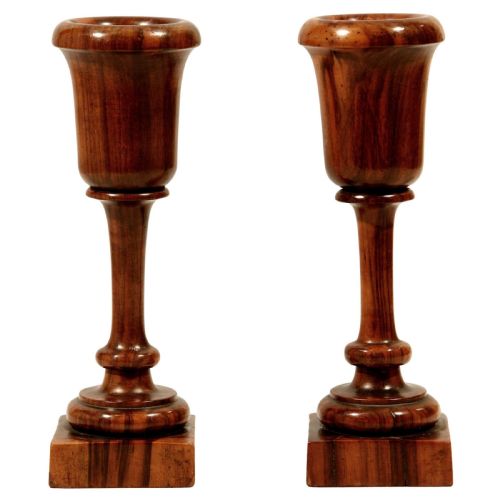


Victorian Wooden Mantelpiece
These victorian wooden mantelpiece options combine architectural pine, mahogany and oak surrounds with carved clocks and mirrors that anchor period rooms.
Victorian Wooden Mantelpiece
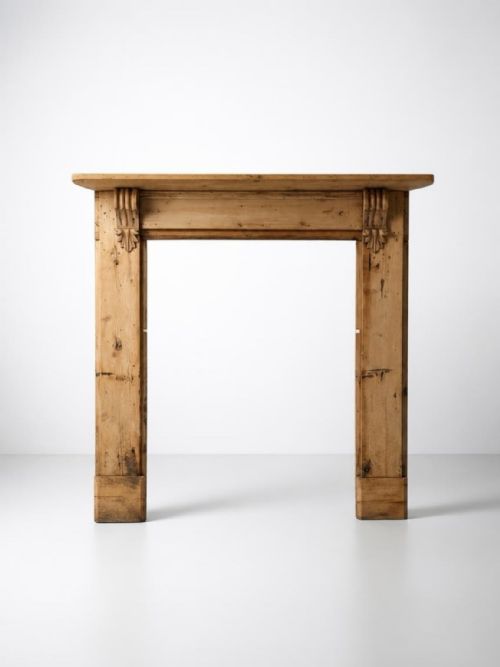
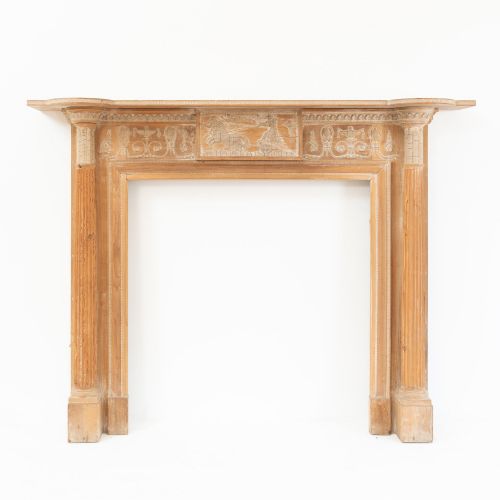
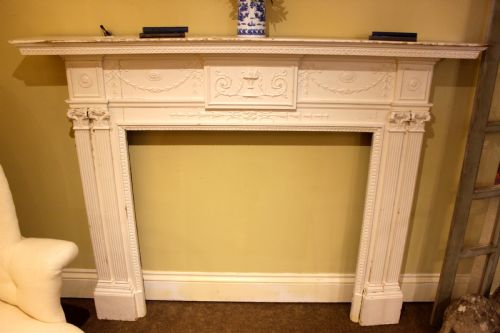
A victorian wooden mantelpiece encompasses architectural fireplace surrounds, chimney pieces and overmantle mirrors alongside table and bracket clocks. The selection on this page leans heavily toward large overmantle mirrors framed in walnut, mahogany or painted pine, accompanied by solid oak and pitch pine architectural surrounds.
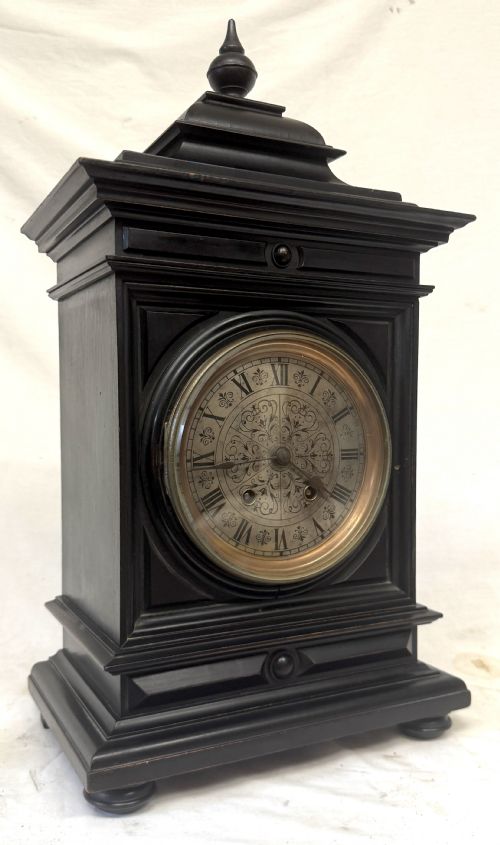
Makers and clockmakers housed these movements in ebonised, rosewood and mahogany cases designed to sit directly on the shelf above the hearth. Originating across the nineteenth century, these pieces range from early Victorian architectural surrounds to later Edwardian and Art Nouveau variations.
How they were made
Surrounds and frames utilise solid timbers such as pine, oak, mahogany, walnut and elm, frequently shaped with hand-carved detailing, fretwork columns and gesso highlights. Mirrors incorporate brass detailing, silvered glass and gilt finishes, while clock cases combine brass movements with rich cabinet woods.
Joinery methods rely on traditional framing for large mirrors and architectural surrounds, paired with fusee and chiming mechanical movements inside fitted wooden clock cases. Surfaces show painted finishes, ebonisation, or polished grain.
Some mantel clocks arrived with eight bells inside, ready to chime the quarters while keeping watch above cold hearths.
What varies in quality
Quality rests in the crispness of the hand-carving on architectural surrounds and the depth of figure in mahogany, walnut and oak veneers. Superior mirror plates show appropriate oxidation while retaining clear reflection within substantial wooden frames.
Clock quality depends on the complexity of the movement, such as fusee mechanisms or quarter-striking trains, housed inside well-proportioned cases with intact silvered dials and original brass fittings.
Lenzkirch·Winterhalder & Hofmeier·Walker and Hall·Purvis of London·Christie of Perth
The Victorian Wooden Mantelpiece Glossary
- Overmantle mirror
- A large mirror designed to hang or rest specifically on the mantel shelf above a fireplace. These frames often match the proportions of the chimney breast.
- Fusee movement
- A mechanical clock drive system using a cone-shaped pulley to equalise the force of the mainspring as it winds down. This ensures more accurate timekeeping.
- Chimney piece
- An architectural surround framing the fireplace opening, incorporating the mantel shelf and side pilasters or columns. They are constructed from timber, stone or marble.
- Ebonised
- Wood finished with a dark stain or paint to imitate expensive ebony. This technique was popular for nineteenth-century clock cases and decorative frames.
Victorian Wooden Mantelpiece: Frequently Asked Questions
How do I choose the right size overmantle mirror?
Measure the width of your mantel shelf to ensure the mirror frame sits comfortably within its bounds without overlapping the edges. Most overmantle mirrors were designed to mirror the proportions of the fireplace opening below.
Consider the ceiling height in the room when selecting vertical arch-top or rectangular mirrors. Taller mirrors draw the eye upward and amplify natural light in smaller spaces.
How do I maintain a nineteenth-century clock movement?
Mechanical clocks require professional servicing every few years to clean the brass gears and replenish the lubricating oils. Avoid placing them near direct heat sources or draughty windows.
Wind the clock steadily using the correct key, taking care not to over-wind the spring. Keeping the case level on the mantel shelf helps the pendulum swing true.
What is the difference between pitch pine and standard pine?
Pitch pine contains a higher resin content, giving the timber a harder texture and a more pronounced, highly figured grain pattern. It resists wear well and darkens to a warm amber tone over time.
Standard soft pine offers a lighter, more uniform appearance that frequently accepted paint finishes during the Victorian era. Painted pine surrounds provide a softer architectural backdrop than polished hardwoods.