

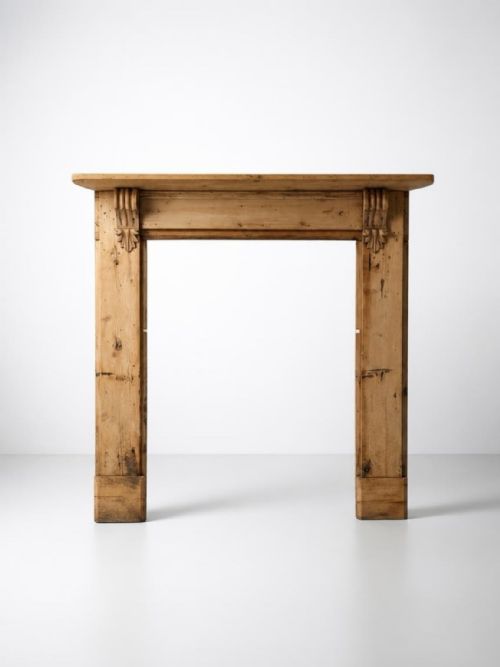
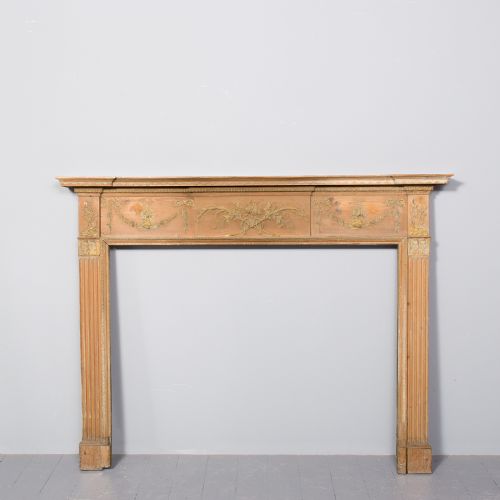


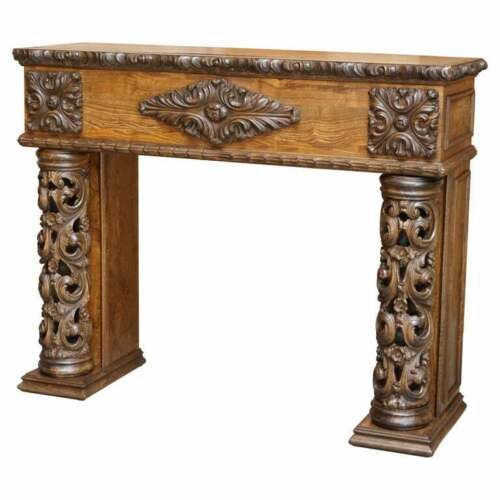


Antique Wood Fire Surround
An antique wood fire surround anchors a room with period character, offering warmth of material and permanence of design.
Antique Wood Fire Surround
An antique wood fire surround frames a hearth, defining the focal point of a period interior through substantial architectural presence. When searching for an antique wood fire surround, buyers encounter robust chimney pieces originating from the Georgian, Victorian, Edwardian, and Art Deco eras.
The selections span simple functional pine frames to grand carved mantelpieces executed in mahogany, oak, pitch pine, and elm. These pieces include classical George III designs, elaborate Victorian hand-carved mouldings, and striking Art Nouveau or Art Deco forms.
How they were made
Carpenters and joiners constructed these surrounds using solid timbers such as mahogany, oak, pine, pitch pine, and elm, often applying gesso to create crisp architectural enrichment. Hand-carved details defined the surfaces, incorporating fretwork columns, classical neo-classical motifs, and winged globe ornaments.
Many examples integrated mirrored glass within the wooden framework, reflecting light and expanding the visual space of the hearth. Construction methods relied on traditional joinery techniques appropriate to each period, from Georgian symmetry to Edwardian architectural scale.
Antique Wood Fire Surround Retail Price Guide 2026
Typical asking prices for wood fire surround among the pieces listed under this phrase on Sellingantiques today, from the lower quarter to the upper quarter. They describe what is for sale here now, not the wider market.
One notable Edwardian surround carries the architectural weight of Sir Edwin Lutyens himself.
What varies in quality
The distinction between standard examples and superior pieces rests upon the depth and crispness of the hand-carving and the choice of primary timber. Dense hardwoods like mahogany and oak support finer detail than softer pine or pitch pine frames.
Architectural proportions and the integrity of period details, such as carved gesso enrichments or fretwork columns, elevate certain chimney pieces above utilitarian models. The authorship of a renowned architect also separates standard domestic joinery from significant design.
Sir Edwin Lutyens
The Antique Wood Fire Surround Glossary
- Chimney piece
- A decorative framework surrounding a fireplace opening, synonymous with a fire surround or mantelpiece. It includes the mantel shelf, jambs, and lintel.
- Gesso
- A plaster-like material applied to wood surfaces and carved or moulded into intricate relief details before gilding or painting. It allowed makers to achieve classical ornamentation efficiently.
- Fretwork
- Openwork ornamentation carved in wood, often geometric or floral in pattern. It adds delicate textural contrast to columns and friezes.
- Neo-classical
- A style drawing inspiration from classical antiquity, featuring symmetrical proportions, urns, swags, and architectural friezes. It dominates many Georgian surrounds.
Antique Wood Fire Surround: Frequently Asked Questions
How do I choose the right size surround?
Measure the opening of your existing fireplace hearth, noting the height and width required to clear the firebox and any slips. Compare these dimensions against the internal and external measurements of the surround.
Consider the scale of the room and the height of the ceiling when selecting between a modest Edwardian pine frame and a large Victorian mahogany chimney piece.
Can I install an antique surround with a modern fire?
Yes, many surrounds accommodate modern gas or electric fire inserts, provided the internal clearances meet safety regulations for heat exposure. Check the depth of the rebate to ensure it accommodates your chosen hearth insert.
Consult a qualified fitter regarding clearance distances between timber mantels and heat sources.
How do I date a wooden fire surround?
Dating relies on stylistic clues, such as the symmetrical restraint of George III neo-classical pieces versus the bold massing of Victorian mahogany or the geometric lines of Art Deco. Timber choice also offers guidance, with pitch pine and elm appearing frequently in specific late nineteenth-century contexts.
Construction joints and the presence of applied gesso further help align the piece with its manufacturing era.
How should I clean and maintain antique wood?
Dust the timber regularly with a soft, dry cloth to prevent accumulation in carved recesses and gesso enrichments. Apply appropriate wax periodically to nourish the wood and maintain its natural lustre.
Avoid liquid cleaners or silicone-based polishes that can penetrate the grain and damage historic finishes.