





Carved Gesso Mantelpiece
A carved gesso mantelpiece brings deep architectural presence to a room, combining moulded plaster detail with robust timber construction.
Carved Gesso Mantelpiece
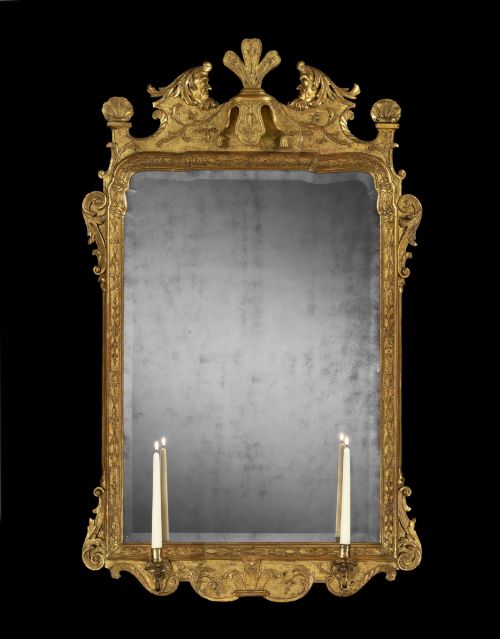
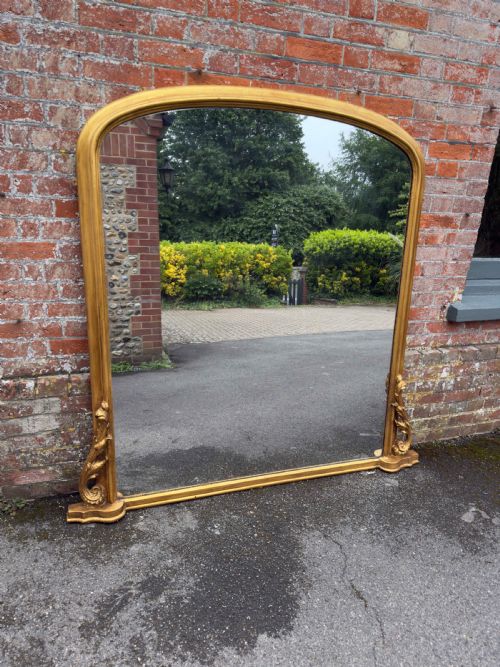
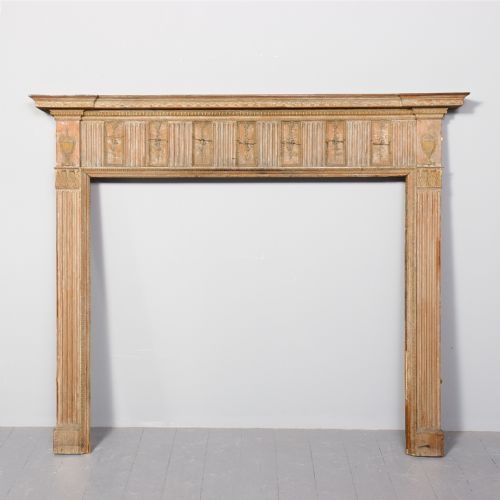
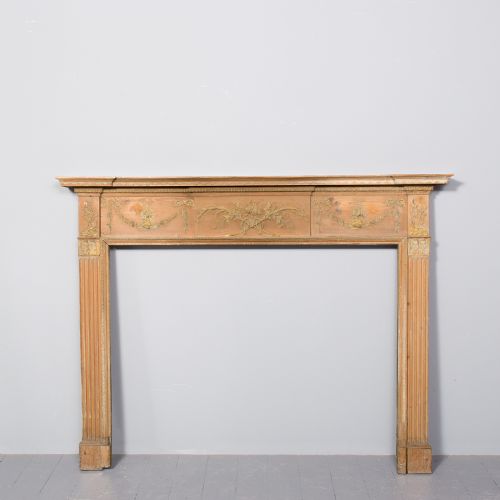
A carved gesso mantelpiece bridges the gap between fireplace surrounds and monumental wall furniture, frequently appearing alongside large overmantel mirrors in the listings. These pieces span the eighteenth and nineteenth centuries, taking forms that run from restrained Georgian pine surrounds to exuberant Victorian gilt and painted designs.
Buyers will encounter items ranging from George I and George III periods through to Victorian interpretations of Rococo and Baroque styles. The core of the selection comprises architectural fire surrounds and arched top overmantel mirrors utilising carved wood and gesso ornamentation.
Origins include English and French workshops, utilising woods such as pine finished with paint, silvering, or gold leaf. The survival of original gilding and painted surfaces remains a primary focus for collectors seeking authenticity.
Materials and construction
The foundation of a carved gesso mantelpiece typically begins with a solid timber carcass of pine, shaped to hold the weight of the structure. Artisans then applied layers of gesso - a mixture of chalk or gypsum and size - onto the wooden substrate to build up decorative reliefs.
Intricate ornamentation, from scrolling foliage to lions' heads, was either directly carved into the wood or moulded in gesso and built up over the base layer. Finishers applied gold leaf, silvering, or paint directly onto the prepared surface, sometimes incorporating mirror glass into the overmantel designs.
Materials recorded across the inventory include pine, gesso, gold leaf, mirror glass, and paint.
Assessing quality and craftsmanship
Quality rests in the crispness of the modelled gesso relief and the depth of the underlying wood carving. Finer examples show sharp definition in decorative motifs like acanthus leaves and animal heads, whereas lesser pieces can exhibit softened contours from repeated moulding or heavy overpainting.
The integrity of the original surface finish dictates the standing of an individual piece. Retaining untouched gold leaf, silvering, or early paint layers elevates the stature of the object significantly compared to those subjected to unsympathetic modern restoration.
The Carved Gesso Mantelpiece Glossary
- Gesso
- A mixture of plaster of Paris or chalk with glue, used as a base for painting or as a material for casting sculptural relief. It provides the smooth, chalky surface crucial for receiving gold leaf.
- Giltwood
- Timber that has been coated with thin sheets of gold leaf over a prepared ground. This technique creates a brilliant metallic lustre that defines formal period interiors.
- Overmantel mirror
- A large mirror designed specifically to hang on the wall directly above a fireplace mantel. These pieces frequently match the decorative vocabulary of the surrounding architectural woodwork.
- Rococo
- An ornate artistic style characterised by asymmetry, scrollwork, and organic curves. Victorian interpretations of this aesthetic often appear in the gesso ornamentation of large mirrors.
- Pine
- A softwood commonly utilised as the structural carcass for eighteenth and nineteenth-century architectural elements. Its stable grain made it an ideal base for receiving carved gesso ornament.
Carved Gesso Mantelpiece: Frequently Asked Questions
How do I date a carved gesso mantelpiece?
Dating relies on examining the underlying timber, the style of the gesso mouldings, and construction methods. Earlier eighteenth-century pieces often display restrained architectural proportions, while Victorian examples lean toward heavier arched tops and revival styles.
Secondary indicators include the composition of the gesso and the ageing patterns of any underlying paint or gilding. Comparing the decorative motifs against known period styles helps narrow the decade of production.
Are these pieces suitable for active fireplaces?
Many survive from periods when coal or wood fires generated significant heat and soot. Timber and gesso structures require careful placement relative to modern heat sources to prevent the material from drying out or cracking.
Consulting a specialist conservator ensures that the surrounding materials can handle the ambient temperature of a modern room. Often, these pieces serve decorative framing roles rather than housing working hearths.
How should I clean a gesso surface?
Dust accumulation is best managed with a soft, dry brush or a feather duster. Moisture can soften the historical gesso compound, so wet cloths and household chemical cleaners must be avoided entirely.
Professional conservators should handle any substantial grime or flaking surface layers. Gentle maintenance preserves the delicate relief work and underlying metallic leaf.
What is the difference between gesso and carved wood?
Carved wood involves cutting directly into the timber substrate to create three-dimensional ornament. Gesso is a liquid mixture built up in layers and moulded to achieve intricate details that might be too brittle to carve from solid wood alone.
Many antique mantelpieces combine both techniques, using a pine base with applied gesso reliefs for high-relief decoration. This hybrid method allowed artisans to achieve complex ornamentation efficiently.