
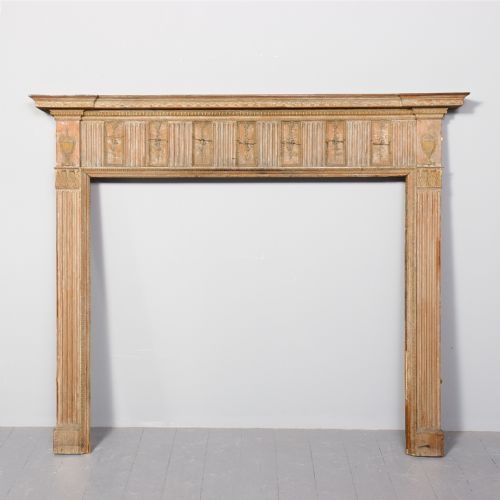
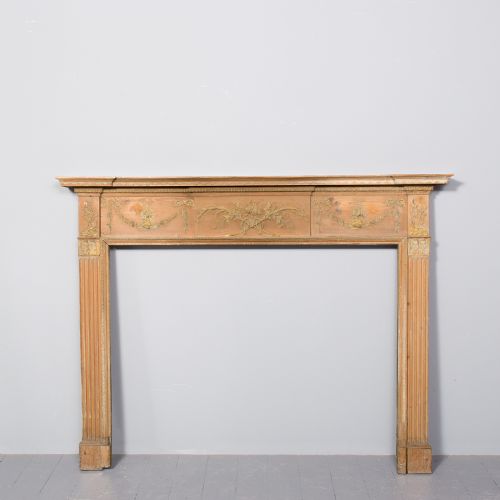

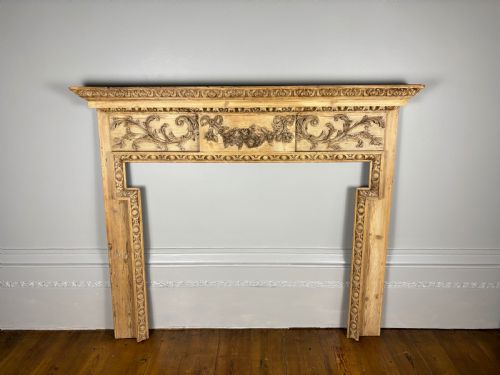


Georgian Chimneypiece
A georgian chimneypiece brings architectural weight and classical proportion to a room, anchoring the hearth with carved pine, stone, and giltwood.
Georgian Chimneypiece
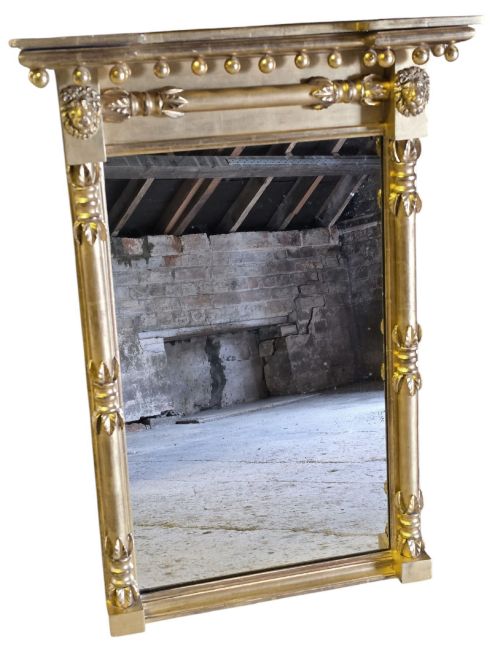
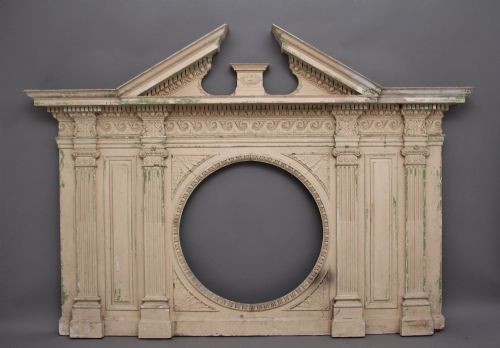
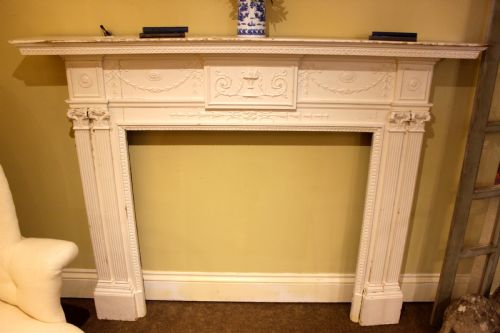
When you search for a georgian chimneypiece, you find architectural fireplace surrounds and overmantel mirrors spanning the eighteenth and nineteenth centuries. These fixtures combine structural stone and timber frames with decorative elements designed to sit above or around the hearth.
The versions most common on this page include pine mantelpieces, painted wood fire surrounds, and giltwood or gesso overmantel mirrors. They range from simple provincial pine frames to elaborate Neoclassical and Regency designs reflecting George I, George II, and George III eras.
How they were made
Pine and stone form the structural base of these fireplace surrounds, providing robust frames that could be carved, painted, or left in their natural state. Craftsmen shaped the timber using traditional joinery before applying surface decoration.
Giltwood and gesso elements were built up on wood or mirror frames to create intricate Neoclassical reliefs and gilded mouldings. Glass plates, including triple plate mirror glass, were fitted into overmantels using traditional silvering methods.
Listings feature pine, giltwood, and stone materials spanning the eighteenth and nineteenth centuries, including George II, George III, and Regency styles.
What varies in quality
The depth and crispness of the carving distinguish finer examples from simpler work, particularly in the rendering of classical motifs like dentils, paterae, and egg-and-dart moulding. Superior pieces show deliberate hand-tooling rather than soft or repetitive casting.
The integrity of the original materials also sets pieces apart, such as surviving layers of early paint on pine, untouched gesso, or original mirror glass. Later alterations and stripped surfaces alter the visual weight and historical character of the surround.
The Georgian Chimneypiece Glossary
- Chimneypiece
- A decorative framework surrounding the opening of a fireplace, incorporating a mantel shelf and vertical jambs. It serves as the primary architectural focal point of a room.
- Overmantel
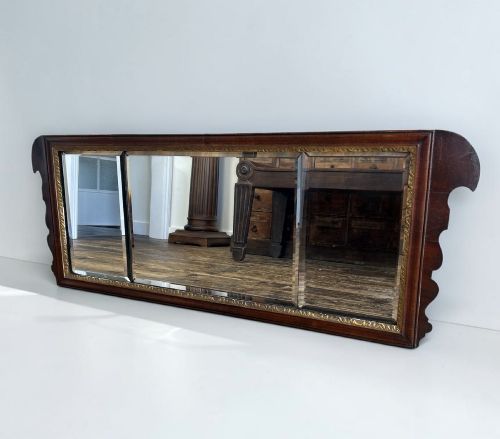
- A large mirror or panel designed to hang directly above the mantelpiece on the chimney breast. These often feature tripartite glass plates and giltwood frames.
- Gesso
- A plaster-like mixture applied to wood frames and carved into low relief before gilding. It allows for sharp, intricate decorative details.
- Trumeau
- An architectural mirror or panel featuring a painted or carved scene above the main glass plate. These French-inspired pieces bring vertical proportion to a wall.
- Parcel gilt
- A finishing technique where specific carved details are highlighted with gold leaf while the rest of the surface is painted or stained. This creates contrast across wooden mouldings.
- Tryptic
- Divided into three sections, commonly seen in overmantel mirrors with three separate mirror plates side by side. The outer plates are often smaller than the central glass.
Georgian Chimneypiece: Frequently Asked Questions
How do I measure for a chimneypiece?
Measure the height and width of your structural fireplace opening to ensure the inner dimensions of the surround clear the firebox safely. You must also measure the available wall space on the chimney breast to check that the mantel shelf and overmantel mirror proportions fit the room.
Account for the depth of the hearth and the projection of the mantel shelf into the room. Matching these dimensions prevents the architectural elements from overpowering the wall space.
Are these surrounds safe for modern fires?
Historic pine, stone, and wood surrounds require careful clearance from modern heat sources, particularly open fires and high-output stoves. Timber mantelpieces should sit at a safe distance from the combustion chamber to prevent drying and cracking.
Consult a qualified installer to assess the heat output and ensure proper insulation protects the historic woodwork. Many buyers use these surrounds with electric inserts or decorative grates.
Can I paint a historic pine surround?
Many pine surrounds on this page already feature historical white paint or original finishes that contribute to their character. Stripping or repainting alters the surface patina built up over centuries of exposure in domestic settings.
If you choose to paint a bare pine surround, select breathable traditional paints that complement the period of the piece. Avoid modern gloss finishes that obscure the texture of the wood.
What is the difference between a fire surround and an overmantel?
A fire surround sits directly on the floor around the hearth opening, framing the firebox and supporting a mantel shelf. It provides the architectural structure at the base of the chimney breast.
An overmantel is a mirror or framed panel designed to hang on the wall directly above that mantel shelf. Together, the two elements create a complete floor-to-ceiling focal point.