



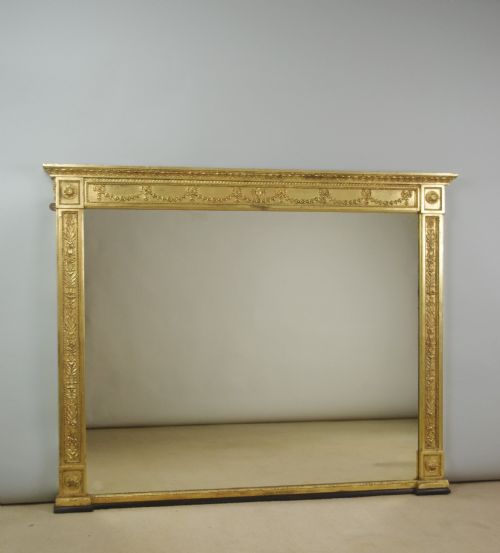


Adam Style Fireplace
An adam style fireplace brings neoclassical symmetry and delicate ornament to a room through carved pine, cast iron and polished brass.
Adam Style Fireplace
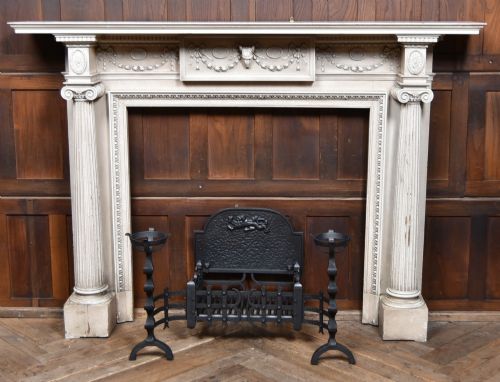
An adam style fireplace encompasses fire surrounds, mantels, grates, fenders, and associated overmantel mirrors spanning the Georgian, Regency, and Victorian periods. Buyers search for this phrase to find symmetrical neoclassical design, where architectural proportions and classical motifs shape the hearth centrepiece.
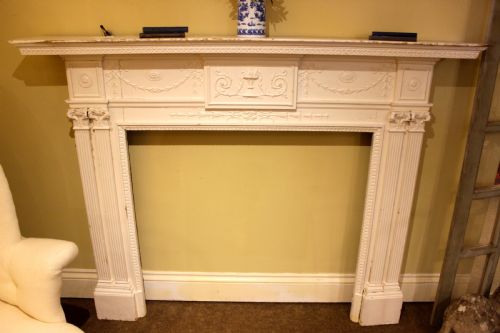
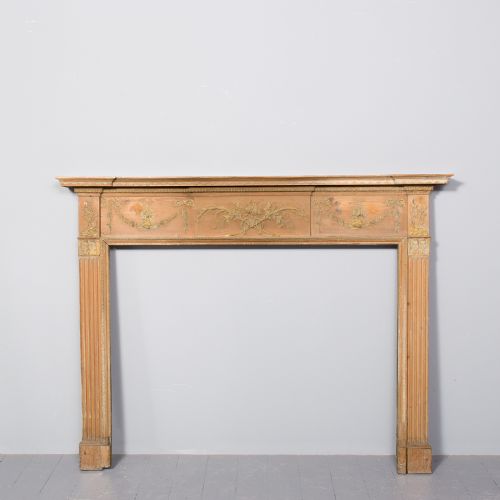
The most common examples on this page are carved pine and painted wood fire surrounds dating from the nineteenth century, often paired with cast iron grates and brass accessories. Overmantel mirrors in giltwood also appear frequently, reflecting the vertical emphasis characteristic of the style.
Materials and construction
Surrounds and mantelpieces utilise pine, frequently finished with paint or enriched with carved gesso details to render crisp neoclassical ornament. Craftsmen shaped these softwoods to receive delicate urns, swags, and classical friezes.
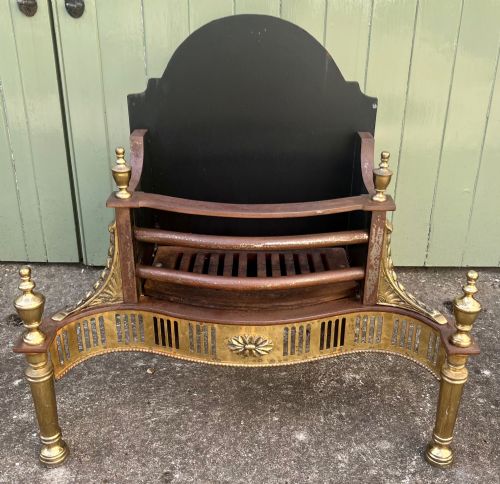
Metalwork combines cast iron for structural grates and firebaskets with polished brass for fenders and decorative trim. Bronze elements also occur, providing durable contrast to the timber and plasterwork.
Adam Style Fireplace Retail Price Guide 2026
Typical asking prices for adam style fireplace among the pieces listed under this phrase on Sellingantiques today, from the lower quarter to the upper quarter. They describe what is for sale here now, not the wider market.
A bronze allegoric frieze offers a miniature narrative scene straight off an eighteenth-century chimney piece.
Assessing quality and execution
The distinction between standard production and superior work lies in the sharpness and depth of the carved gesso and timber enrichment. Crisp relief work on friezes and mouldings indicates careful hand execution rather than mass replication.
Material integration also separates pieces, where heavy cast iron grates align cleanly with finely cast brass mounts and properly proportioned pine frames. Surface preservation, from original paint layers to genuine gilding on overmantel mirrors, determines the integrity of the surviving object.
The Adam Style Fireplace Glossary
- Neoclassical
- A style rooted in classical antiquity that emphasises symmetry, straight lines, and motifs such as urns and husks. This aesthetic defines the entire adam style fireplace tradition.
- Gesso
- A plaster mixture applied to wood and carved before painting or gilding. It allows for intricate relief ornamentation on mantelpieces.
- Overmantel Mirror
- A large looking glass designed to hang directly above a fireplace mantel. These mirrors often share the neoclassical motifs of the surround below.
- Fire Grate
- The metal basket or structure that holds the fuel within the hearth. These range from freestanding baskets to integrated cast iron units.
- Fender
- A low metal guard placed on the floor in front of the hearth to contain sparks and ash. Polished brass examples frequently accompany these surrounds.
Adam Style Fireplace: Frequently Asked Questions
What periods do these fireplaces come from?
The pieces span the eighteenth, nineteenth, and early twentieth centuries, including Georgian, Regency, and Victorian eras.
Later examples often revive earlier eighteenth-century designs, maintaining the same neoclassical vocabulary.
Are mirrors included with the surrounds?
Mirrors are listed as separate overmantel pieces designed to complement the fireplace below.
They share matching giltwood frames and classical proportions to create a unified wall elevation.
What metals are used in the grates?
Grates and firebaskets are constructed primarily from cast iron for heat resistance and structural stability.
Accessories like fenders and trim utilise polished brass and occasionally bronze.
How do I choose the right surround?
Consider the scale of the room and the existing architectural proportions when selecting a pine or painted wood mantelpiece.
Matching the period details, such as carved gesso friezes, ensures historical consistency.