


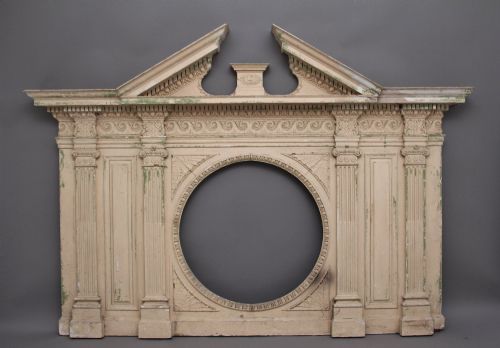


Neoclassical Mantelpiece
A neoclassical mantelpiece anchors a room with architectural proportion, bringing ancient classical lines and refined symmetry to the heart of the home.
Neoclassical Mantelpiece
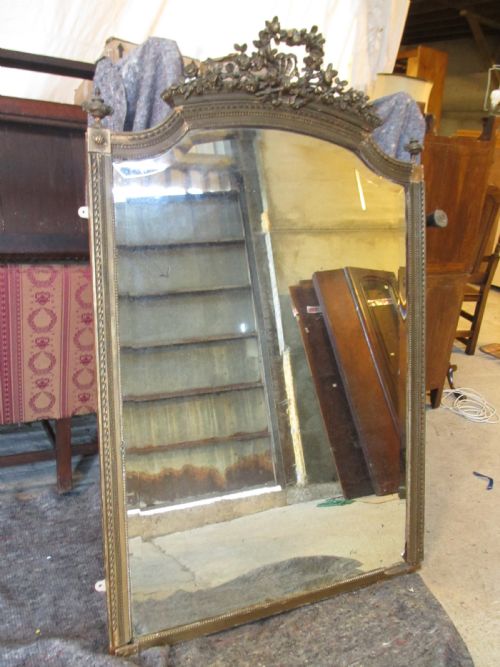
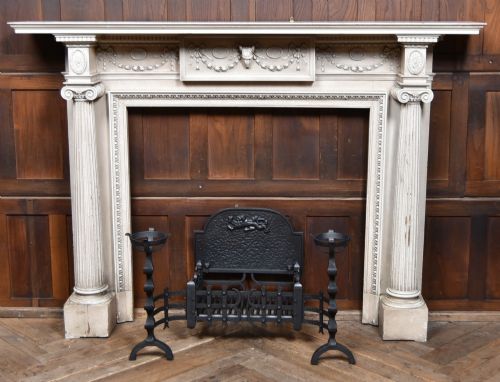
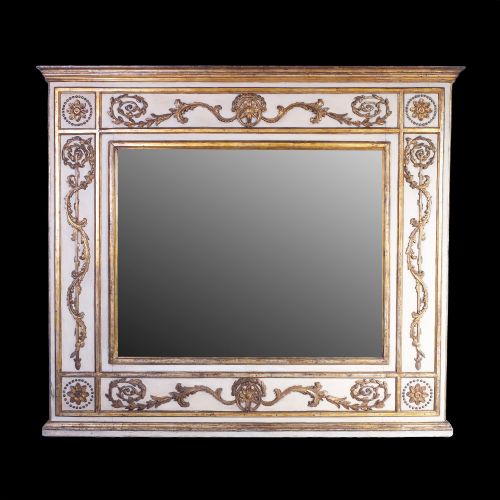
A neoclassical mantelpiece encompasses fireplace surrounds carved from pine, stone, and gesso, alongside the decorative objects placed above and upon them. When searching for a neoclassical mantelpiece, buyers encounter architectural surrounds from the eighteenth and nineteenth centuries, often accompanied by matching overmantel mirrors.
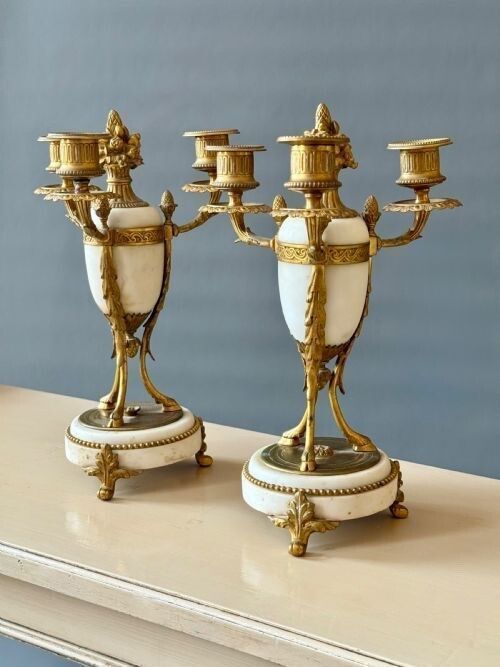
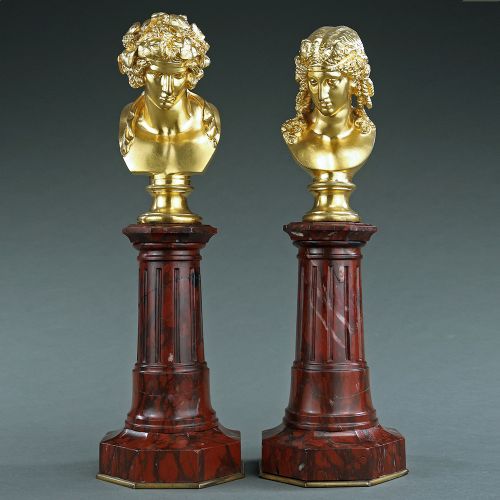
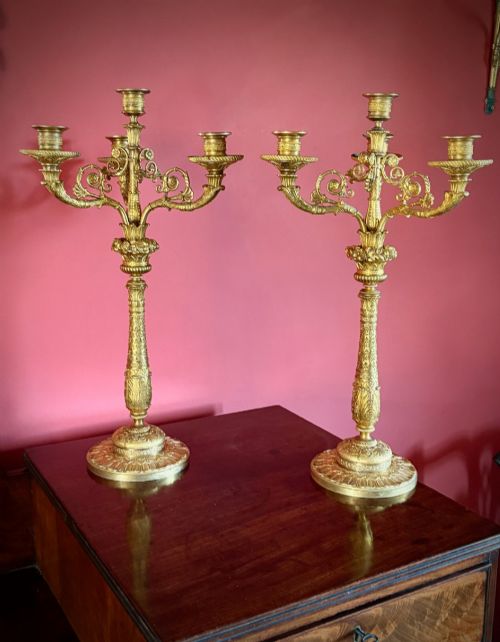
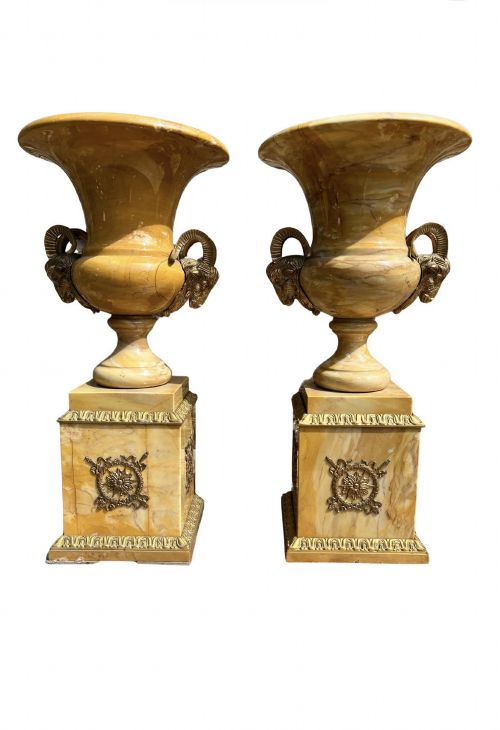
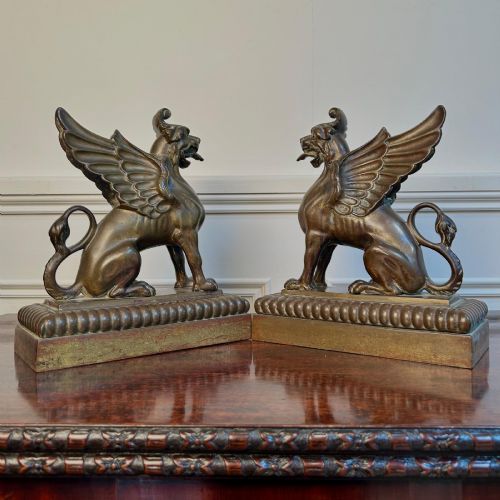
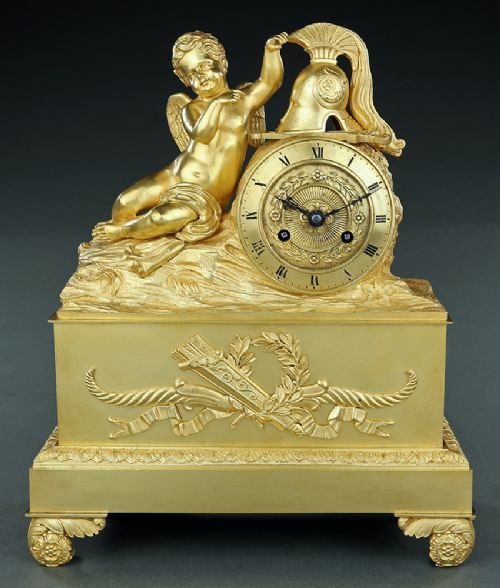
The selection ranges from George III pine surrounds to French Empire clock sets, candelabra, and marble urns. These decorative accessories share a classical vocabulary drawn from ancient Greece and Rome, reflecting periods such as the Regency and Louis XVI styles.
Surrounds made from painted pine and stone provide the structural frame, while objects like gilt bronze candelabra and marble clocks complete the arrangement. Pieces originating from the Grand Tour tradition also appear frequently among these furnishings.
How they were made
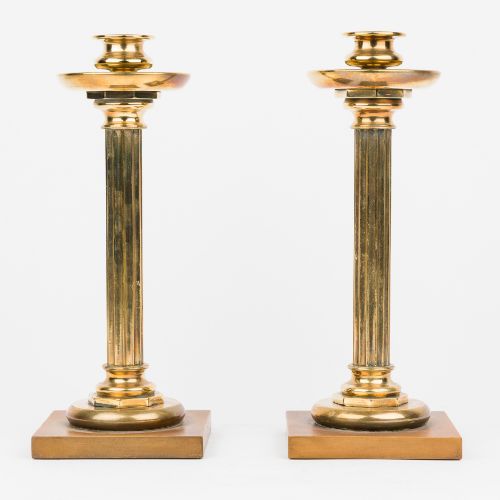
Makers utilised carved pine, gesso, and stone to construct the main architectural surrounds, frequently finishing the wood with paint and gilding. Metal components rely on traditional foundry methods, combining cast bronze, ormolu, and brass for candelabra and clock mounts.
White marble and Sienna marble feature heavily in the construction of decorative vases, urns, and clock bases, often paired with contrasting gilt bronze figures. Overmantel mirrors integrate carved giltwood frames with multiple glass plates to reflect light across the room.
Neoclassical Mantelpiece Retail Price Guide 2026
Typical asking prices for neoclassical mantelpiece among the pieces listed under this phrase on Sellingantiques today, from the lower quarter to the upper quarter. They describe what is for sale here now, not the wider market.
Listings for a neoclassical mantelpiece include eighteenth and nineteenth-century periods, featuring materials such as gilt bronze, marble, and pine across various mirror and clock forms.
What varies in quality
The distinction between standard items and exceptional examples lies in the crispness of the carving and the depth of the metal chasing. Finely hand-carved gesso on pine surrounds and meticulously chased ormolu mounts display a precision that mechanical reproduction fails to achieve.
Materials also dictate the tier of a piece, with high-grade Sienna and white marble, substantial bronze casting, and original mercury gilding separating superior items from simpler spelter and painted substitutes.
The Neoclassical Mantelpiece Glossary
- Ormolu
- Gilded bronze, where a finely ground gold-mercury amalgam is applied to a bronze base and heated to drive off the mercury. This technique creates a durable, rich golden surface on clock mounts and candelabra.
- Campana urn
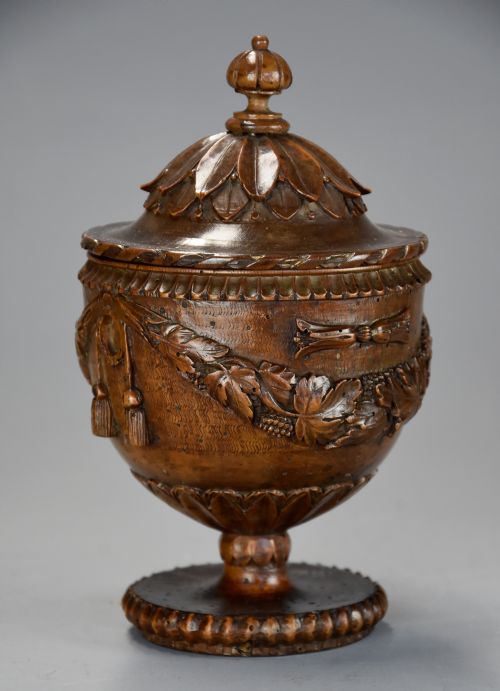
- A bell-shaped classical vessel derived from ancient pottery forms, often rendered in bronze or marble during the Grand Tour period. These objects were used purely for decorative display on mantelpieces.
- Gesso
- A plaster-like mixture applied to wood surfaces and carved in relief before gilding or painting. It allows for intricate architectural ornamentation on wooden mirror frames and fireplace surrounds.
- Grand Tour
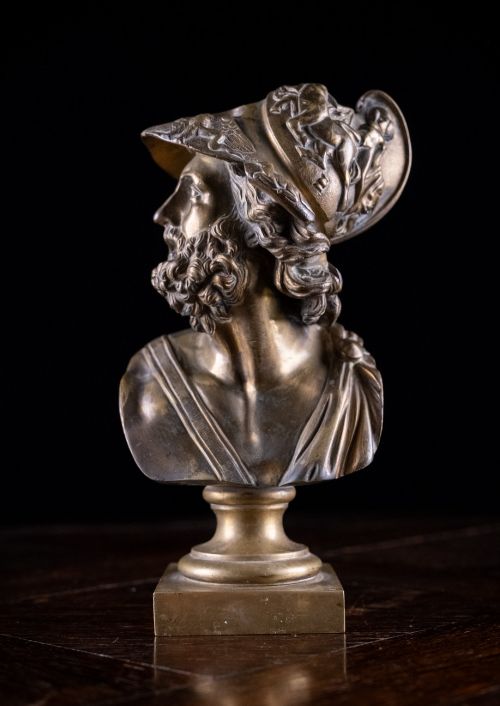
- The nineteenth-century practice where wealthy travellers collected classical antiquities and miniature bronzes across Europe. These souvenirs include bronze busts and architectural obelisks.
Neoclassical Mantelpiece: Frequently Asked Questions
How do I style a neoclassical mantelpiece?
Pair an architectural surround with a matching overmantel mirror to increase the sense of space and light within the room. Place symmetrical items such as candelabra or decorative urns on the shelf to maintain classical balance.
Keep surrounding furniture simple to let the carved pine or stone of the fireplace surround remain the focal point. Incorporating a marble mantel clock adds a functional centrepiece that anchors the display.
What materials are typical for these pieces?
Pine, stone, and gesso form the primary structure of the fireplace surrounds found in this category. These materials are frequently painted or gilded to match the interior decorative scheme.
Decorative accessories rely on bronze, ormolu, brass, and various types of marble, including white and Sienna varieties. Glass is also common in the multi-plate overmantel mirrors and clock cases.
How can I identify the period?
Examine the construction methods, wood types, and decorative motifs to determine the age of a surround or accessory. Eighteenth-century pieces often feature hand-carved gesso on pine, while nineteenth-century items frequently show French Empire or Victorian influences.
Stylistic cues such as Egyptian Revival sphinxes or specific marble colorways help narrow down the manufacturing date to particular decades within the nineteenth century.
Were these items used for heating?
Surrounds provided the decorative framework around the fireplace opening, housing grates that burned coal or wood for domestic warmth. They served both a structural and aesthetic purpose in period rooms.
Decorative objects placed on top, such as clocks and candelabra, served functional roles in telling time and providing illumination before electric lighting became widespread.