


Victorian Fireplace Mantel
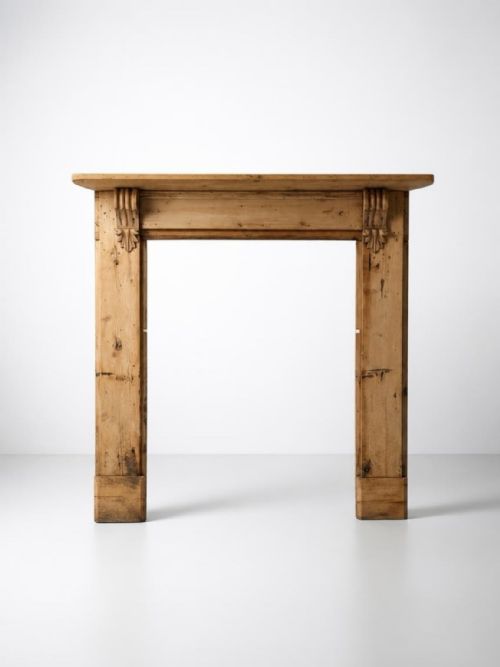
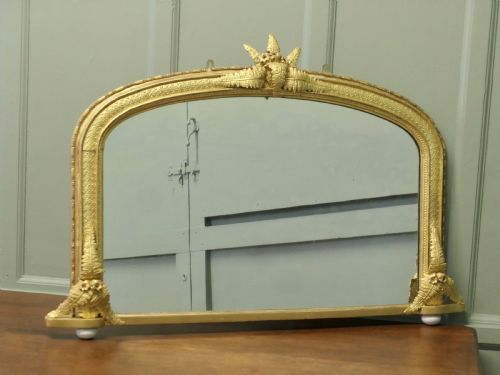
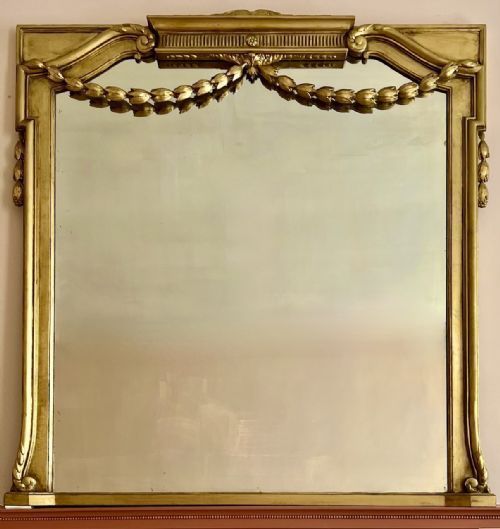
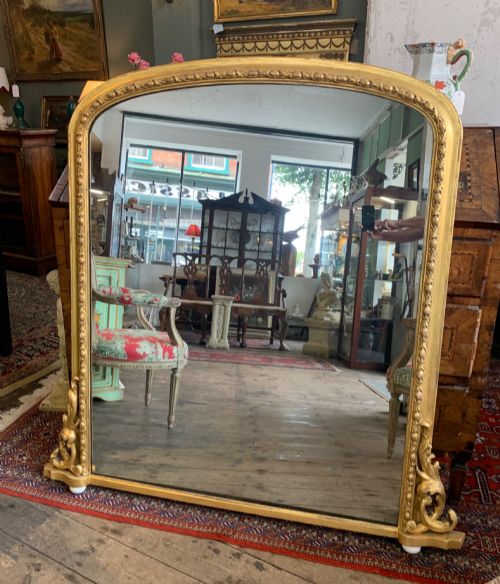
These pieces of a victorian fireplace mantel bring architectural focus and warmth to a room, offering period character through timber, marble and gilt.
Victorian Fireplace Mantel
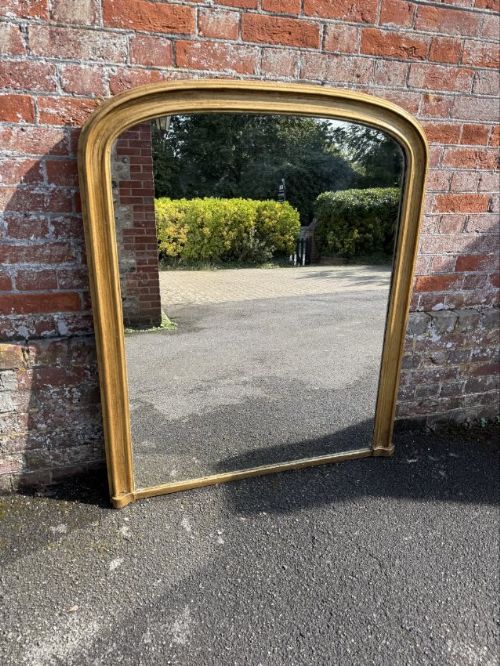
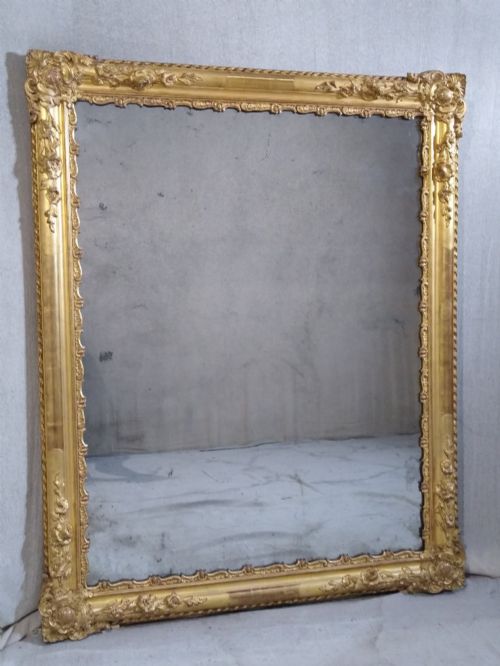
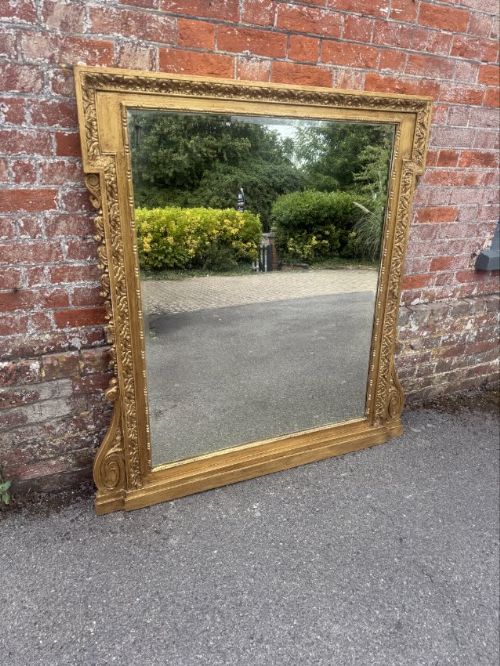
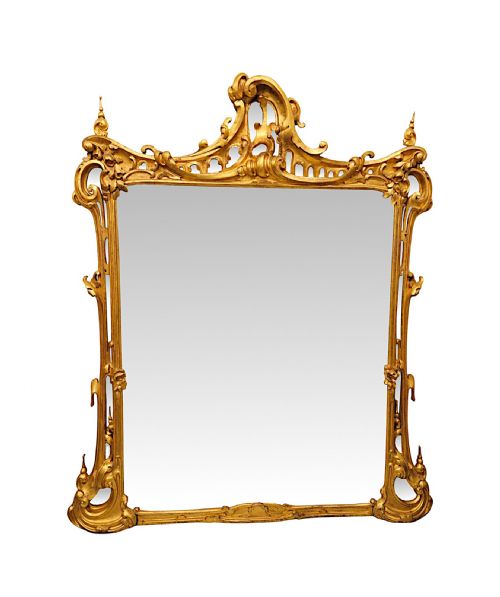
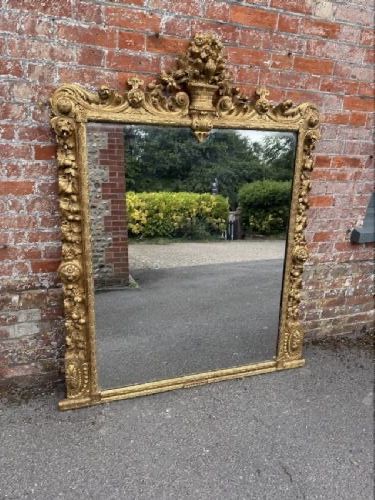
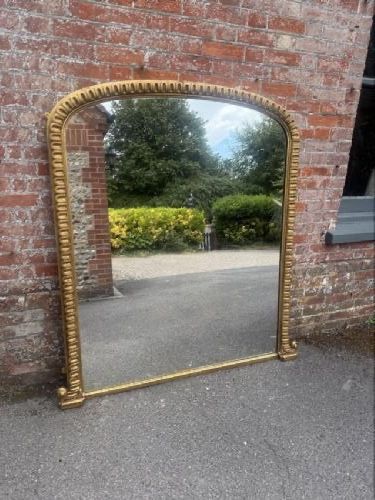
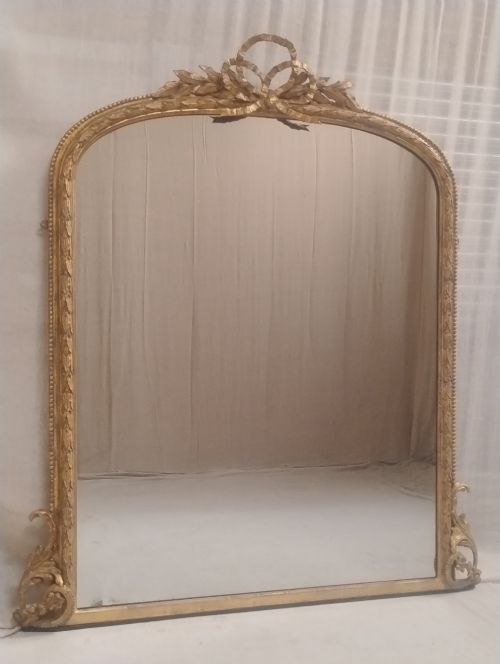
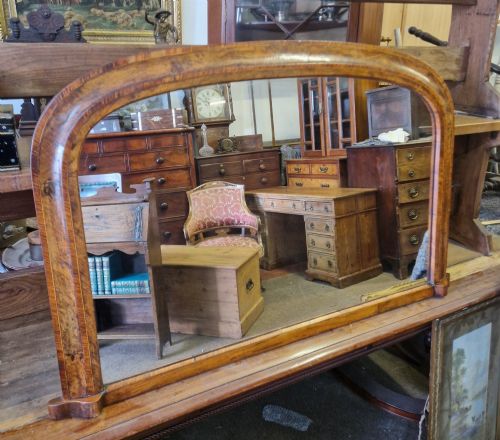
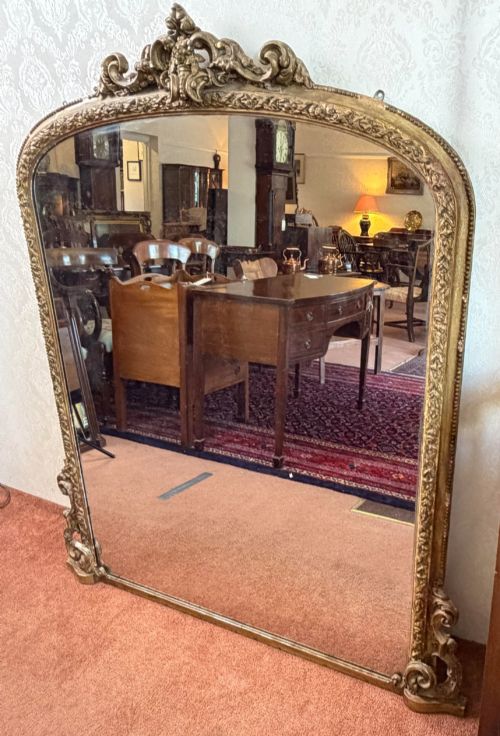
A victorian fireplace mantel search reveals a mix of overmantel mirrors and architectural fire surrounds designed to anchor a room. The overmantel mirror predominates in this selection, often hung directly above the hearth to reflect light and fill the vertical space of the chimney breast.
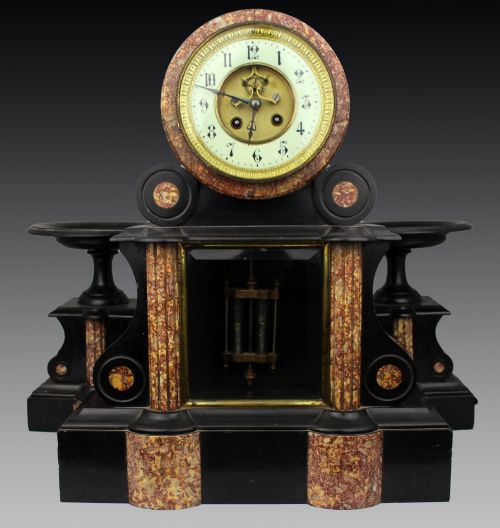
The objects span the nineteenth century, with many examples originating from the eighteen-seventies and eighteen-eighties in English and French workshops. Alongside glass and timber plates, the inventory includes marble and bronze mantel clocks and complete fire surrounds fashioned from pine, oak, walnut, and pitch pine.
Makers and designers drew upon a variety of stylistic vocabularies, ranging from French Rococo Revival and Neoclassical to Chinese Chippendale and Aesthetic periods. Buyers encounter arched tops, shaped crestings, and triptych formats that mirror the proportions of period domestic interiors.
How They Were Made
Carpenters and joiners built structural frames from solid timbers such as walnut, mahogany, oak, pitch pine, and deal, using traditional joinery methods to support heavy mirror plates. Carvers then shaped intricate details directly into the wood or applied composition ornaments moulded from putty and resin.
Gilders applied thin sheets of gold leaf or gilt upon layers of gesso over a prepared wooden base, frequently burnishing high points to a bright finish. Mirror plates were set within these frames, sometimes retaining their original foxed glass with natural silver degradation over time.
What Varies in Quality
The depth and crispness of the hand-carved wood ornamentation distinguish finer pieces from mass-produced or simpler moulded alternatives. Stronger examples retain their original gilding and structural integrity without excessive timber shrinkage or crude later repairs.
Proportion and scale dictate the visual weight of an overmantel mirror or fire surround against a chimney breast, where balanced crestings and integrated cartouches elevate the piece. The survival of original components, such as foxed mirror glass or matching clock garnitures, adds substantial integrity.
Japy Frères
The Victorian Fireplace Mantel Glossary
- Overmantel mirror
- A large mirror specifically designed to be hung on the wall immediately above a fireplace mantelpiece. They often feature horizontal proportions or arched tops to match hearth dimensions.
- Gesso
- A plaster-like mixture applied to wood surfaces as a smooth base for gilding or painting. Artisans built up relief details in gesso before applying gold leaf.
- Giltwood
- Wood that has been coated with gold leaf or a gold-coloured metallic finish. It reflects interior candlelight and daylight across the reception room.
- Clock garniture
- A set comprising a mantel clock accompanied by matching decorative side ornaments, such as urns or vases. These displays sat centrally on the mantel shelf.
- Foxed glass
- Mirror glass that shows spots and discolouration caused by the ageing of the silver backing behind the pane. Collectors prize this natural sign of antiquity.
- Cartouche
- An ornamental tablet or frame resembling a rolled-up scroll, often carved centrally on the crest of a mirror or frame. It frequently served as a focal point for heraldic or floral motifs.
Victorian Fireplace Mantel: Frequently Asked Questions
What is an overmantel mirror?
An overmantel mirror is a large decorative glass frame built to sit directly above a fireplace mantelpiece. It serves to bounce light around the room and visually anchor the chimney breast.
These mirrors often echo the architectural details of the room, featuring arched tops, carved wood, or gilt embellishments that tie the hearth to the wider interior scheme.
How do I style a fireplace surround?
A fireplace surround or overmantel mirror works best when scaled proportionately to the chimney breast and ceiling height. Positioning an overmantel mirror above the shelf creates an illusion of greater space and light.
Surrounds made from pine, oak, or walnut can be left in their natural timber finish or painted to suit modern and traditional room schemes alike.
How do I identify a Victorian mirror?
Victorian mirrors often display characteristic revival styles such as French Rococo, Neoclassical, or Aesthetic ebonised finishes. Look for heavy timber construction, hand-carved gesso details, and original mirror plates showing age.
Makers' stamps, old backing boards, and traditional joinery methods also help confirm nineteenth-century origins.