


Georgian Steel Fender
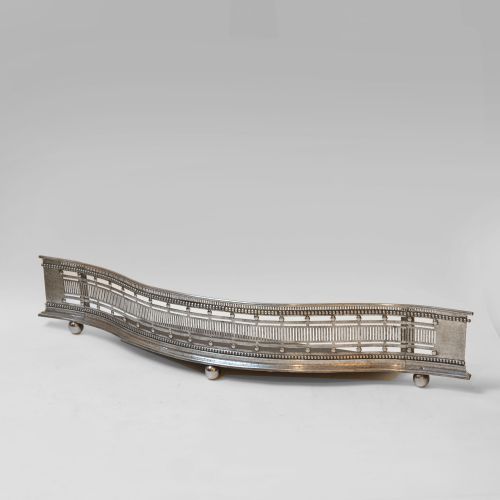
A georgian steel fender guards the hearth with architectural metalwork, offering both safety and style for a traditional fireplace.
Georgian Steel Fender
When you search for a georgian steel fender, you find hearth guards designed to contain embers and frame the fireplace. These functional accessories protect flooring while anchoring the decorative scheme of the room.
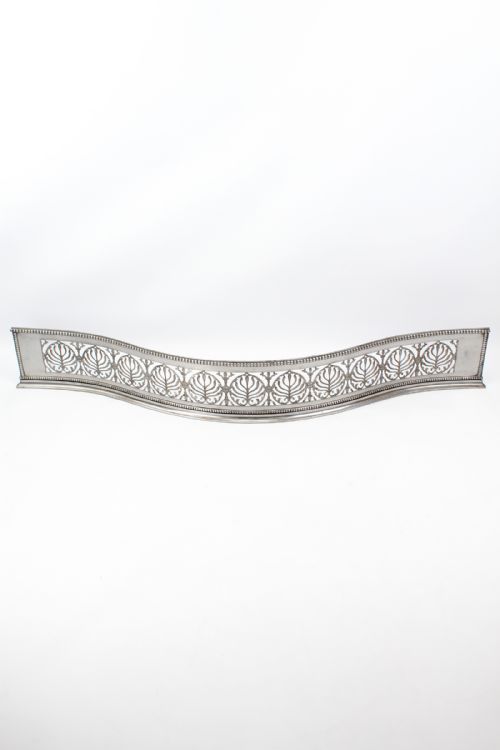
The pieces on this page span the Georgian period, the Regency style, and later nineteenth century revivals. Forms range from bowfront and serpentine shapes to d-shape curbs.
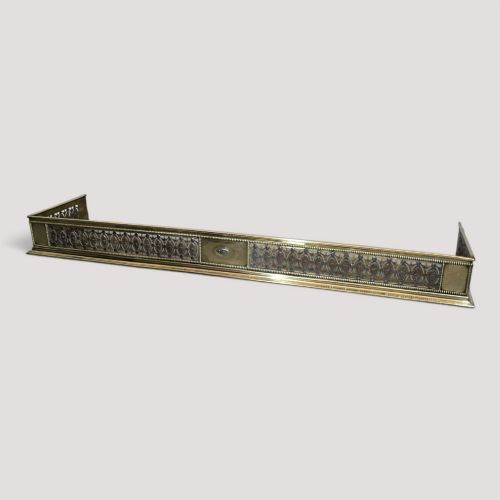
Makers shaped these heavy metal guards to fit specific hearth dimensions, frequently incorporating contrasting brass elements or intricate pierced decoration. Collectors encounter both simple kerb designs and ornate serpentines with dragon decoration.
How they were made
Smiths hammered and forged solid steel into slender curbs, shaping serpentine and bowfront profiles to match period fireplace openings. Polished steel surfaces reflected the firelight, while cut steel studs added brilliant faceted detail.
Craftsmen integrated contrasting brass mounts, galleries, and feet to offset the dark grey of the metal. Pierced decoration and hand engraving transformed plain sheet and bar metal into decorative hearth furniture.
Georgian Steel Fender Retail Price Guide 2026
Typical asking prices for georgian steel fender among the pieces listed under this phrase on Sellingantiques today, from the lower quarter to the upper quarter. They describe what is for sale here now, not the wider market.
Some hearth guards feature fierce dragon decoration guarding the fire.
What varies in quality
The distinction between standard examples and superior work lies in the handling of the metal and the complexity of the enrichment. Finely pierced frets, crisp hand engraving, and heavy gauge steel elevate a guard far above a simple functional kerb.
The integration of brass details and cut steel embellishments indicates the original ambition of the piece. Well-balanced proportions in serpentine and bowfront outlines separate masterwork hearth furniture from utilitarian room accessories.
The Georgian Steel Fender Glossary
- Serpentine
- A sweeping curved profile shaped with alternating convex and concave lines. This wave-like contour characterises finer Georgian hearth furniture.
- Bowfront
- A curved frontal outline that swells outward in the centre. It provides a softer architectural line against the hearth.
- Cut Steel
- Faceted steel studs riveted individually to a metal backing to catch the firelight. This technique creates a diamond-like sparkle.
- Pierced
- Metal perforated with decorative patterns using saws or punches. It lightens the heavy appearance of the ironwork.
Georgian Steel Fender: Frequently Asked Questions
What is a georgian steel fender?
A georgian steel fender is a low metal barrier placed on the floor around a fireplace opening. Its primary purpose is to keep rolling embers and sparks from damaging rugs and wooden floorboards.
Beyond safety, these hearth accessories provide a finished architectural boundary for the fireplace. They reflect the warmth of the fire while defining the hearth space.
How do I choose the right size?
Measure the width and depth of your fireplace hearth carefully before selecting a guard. The metal curb must sit comfortably outside the opening without blocking the hearth stone.
Consider the projection of the fender into the room, especially with serpentine and bowfront shapes that curve outward at the centre.
How do I care for polished steel?
Keep polished steel and cut steel dry to prevent rust and surface corrosion. Regular dusting with a soft, dry cloth maintains the bright metal finish.
Avoid harsh chemical cleaners or abrasive pads that can scratch the polished surface or damage riveted cut steel details.
How do I tell original pieces from revivals?
Examine the construction methods, tool marks, and weight of the metal. Eighteenth and early nineteenth century pieces show hand forging and individual riveting rather than modern machine welding.
Compare the style of the piercing and brass mounts against documented examples from the Georgian and Regency periods.