


Antique Steel Kerb
An antique steel kerb frames the hearth with weight and polish, containing the fire while defining the room.
Antique Steel Kerb
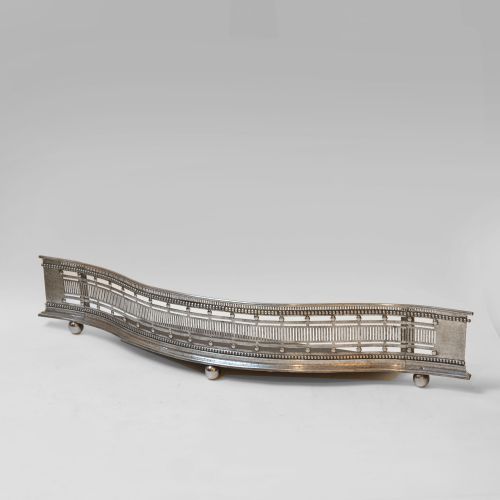
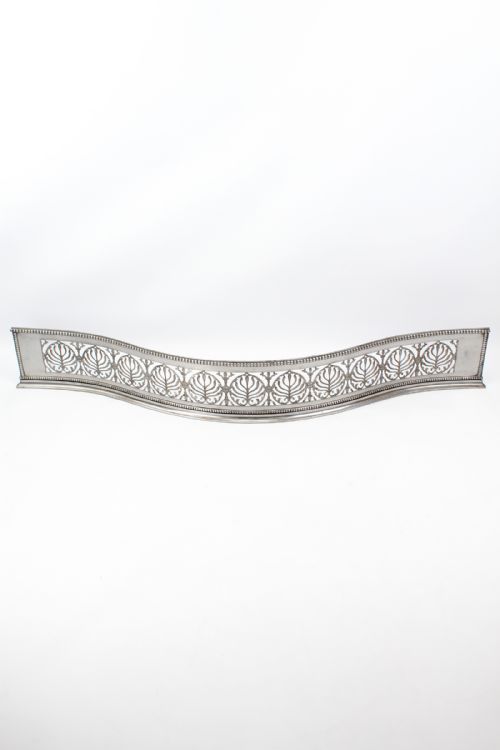
An antique steel kerb, also known as a fender or curb, sits directly on the hearth to keep embers in their place. The pieces on this page span several periods including Georgian, Victorian, and Edwardian, taking forms such as bowfront, serpentine, and curved designs.
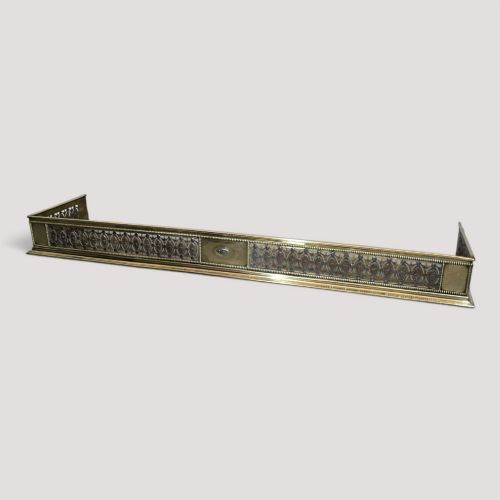
Makers shaped these hearth barriers from steel, often pairing the metal with brass, iron, copper, or bronze. Alongside traditional fireplace accessories, the selection includes related items such as fireguards and hearth irons.
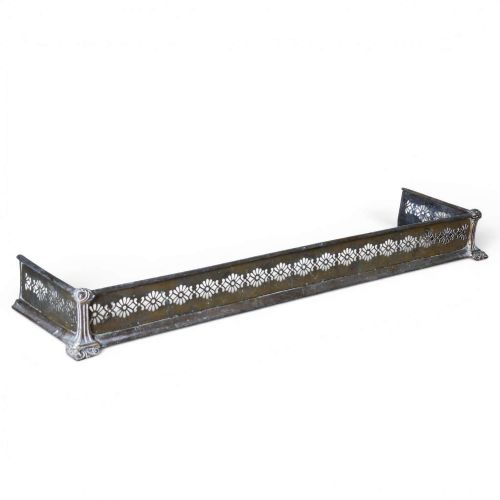
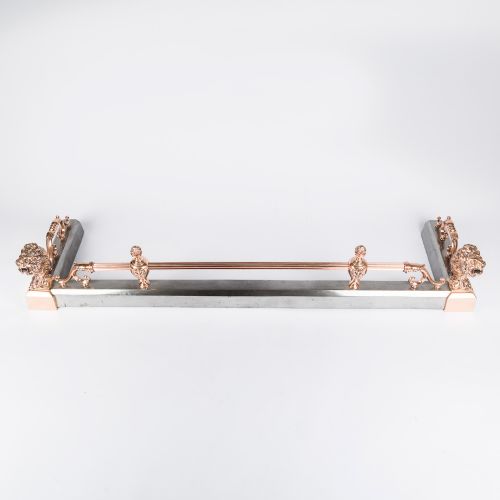
Styles range from restrained Georgian lines to ornate Art Nouveau motifs featuring flower and dragon details. Buyers encounter everything from simple polished steel rails to pierced decorative fronts with lions and cut steel embellishments.
How they were made
Blacksmiths and metalworkers built these hearth surrounds predominantly from steel, iron, and brass, utilising forging, casting, and piercing techniques to shape the metal. Artisans pierced the steel plates to create intricate openwork patterns along the fender front.
Many examples combine polished steel with contrasting brass appliqués, finials, and feet. Surface work includes engraving, patination, and black finishes to highlight the decorative details.
One robust nineteenth-century fender includes sculpted lions guarding the hearth alongside flower and dragon details.
What varies in quality
The sophistication of the metalwork defines the upper tier of these pieces, particularly where hand-piercing and serpentine curves demand advanced skill. Substantial gauge steel and crisp engraving separate finer examples from simpler production.
The integration of mixed metals, such as contrasting brass mounts or bronze details, influences the visual depth of the kerb. Condition of the polished surface and originality of any applied ornamentation also dictate the standing of a piece.
George Bullock
The Antique Steel Kerb Glossary
- Serpentine
- A curved shape following a convex-concave-convex line. This contour appears frequently on Georgian fender fronts.
- Bowfront
- A rounded outward projection in the centre of the kerb. It softens the strict angles of the fireplace opening.
- Pierced
- Perforated or cut through to form a decorative pattern. Artisans used this technique to create openwork designs in sheet steel.
- Cut steel
- Faceted steel studs riveted individually to a backing plate. This method catches the firelight with diamond-like brilliance.
Antique Steel Kerb: Frequently Asked Questions
How do I measure for a kerb?
Measure the width and depth of your hearth space carefully, accounting for the clearance needed around the fireplace opening.
Keep in mind that shapes like bowfront and serpentine extend further outward at the centre than straight designs.
How do I clean polished steel?
Use a dry microfiber cloth to remove dust and light debris from the metal surface.
Avoid harsh abrasives or liquid cleaners that might damage historical patination or applied brass elements.
Did these kerbs include fire irons?
Certain sets include matching fireplace accessories such as pokers and tongs designed in the same metal style.
Most kerbs were produced independently of the fire tools, though period pairings frequently occur.
How do I date a steel kerb?
Examine the construction methods, such as hand-piercing techniques versus machine stamping, along with stylistic cues like Neoclassical motifs or Art Nouveau lines.
Georgian and Victorian examples often display distinct weight, edge finishes, and assembly marks characteristic of their era.