



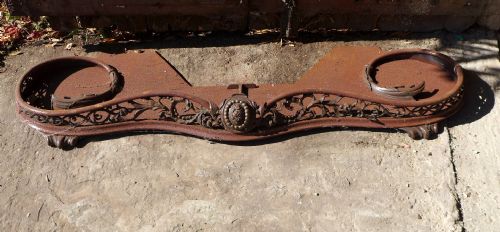
Period Fireplace Fender
A period fireplace fender frames the hearth with metalwork from the Georgian, Regency, Victorian, and Edwardian eras, anchoring the fireplace and protecting the room from stray embers.
Period Fireplace Fender
A period fireplace fender sits directly on the hearth to contain ashes and logs, defining the boundary of the fireplace opening. The examples gathered under the term period fireplace fender range from simple domestic hearth furniture to grand architectural barriers.
Most pieces seen here belong to the Victorian and Georgian periods, alongside Regency, Edwardian, and 1900 examples. Buyers encounter floor-standing guards, bowed hearth surrounds, and combined assemblies featuring grates and firebacks.
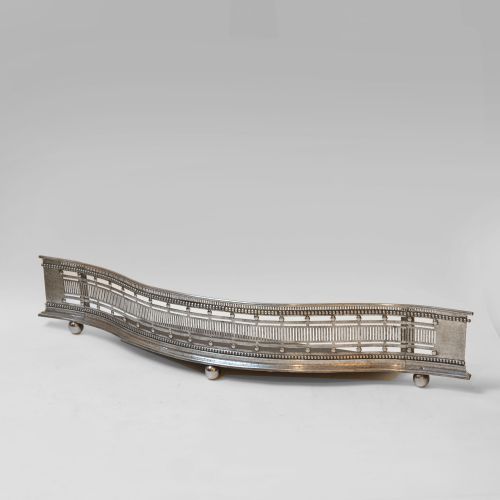
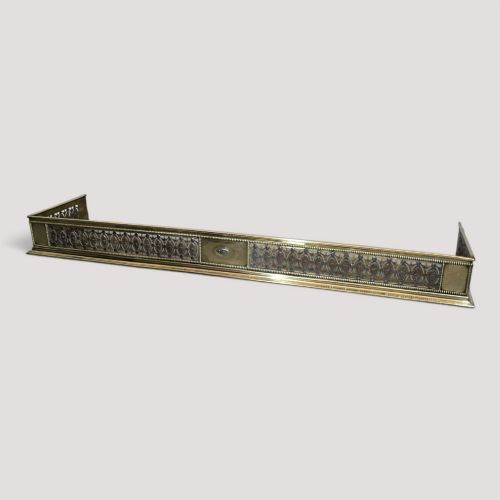
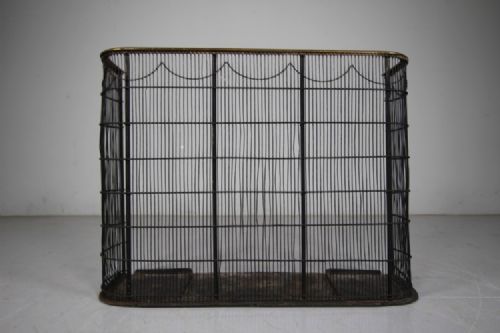
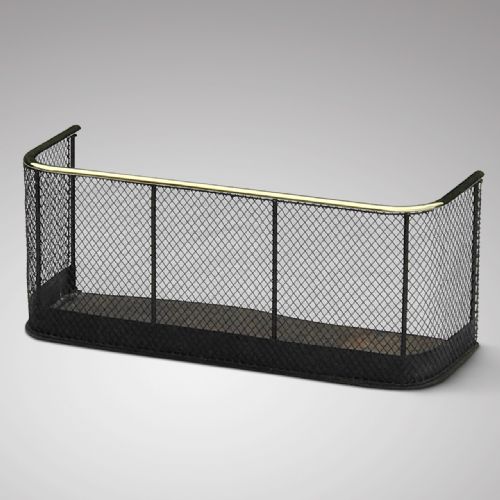
The forms vary from curved bowfront and serpentine steel shapes to heavy brass rails and beaten copper frames. Some incorporate wire mesh or cut steel to serve simultaneously as fire guards.
How they were made
Makers utilised metals such as brass, cast iron, steel, iron, copper, and cut steel, often combining polished brass top rails with robust iron or steel bases. Wire mesh and perforated metal plates appear on guards designed to catch flying sparks.
Craftsmen shaped these materials through forging, casting, and beating, producing serpentine curves, bowfront profiles, and scrolled ornamentation. Surfaces range from the textured finish of Arts and Crafts beaten copper to the bright reflective planes of cut steel.
Period Fireplace Fender Retail Price Guide 2026
Typical asking prices for period fireplace fender among the pieces listed under this phrase on Sellingantiques today, from the lower quarter to the upper quarter. They describe what is for sale here now, not the wider market.
Materials across these listings span brass, steel, cast iron, iron, cut steel, wire mesh, copper, and mixed metal constructions.
What varies in quality
Quality rests in the weight of the metal and the crispness of the detailing. Heavy cast iron and substantial brass sections indicate robust construction, whereas lighter gauges bend more easily under daily use.
The sophistication of the silhouette defines the upper tier of the range, seen in serpentine and bowfront designs that require careful metal manipulation. Hand-beaten copper work and intricate cut steel studding separate standard production pieces from finer studio or workshop examples.
The Period Fireplace Fender Glossary
- Serpentine fender
- A hearth barrier featuring a curving, undulating front line that follows the aesthetic of Georgian and Regency interior design.
- Cut steel
- Small faceted steel studs riveted to a steel backing plate to catch the firelight, popular in finer hearth furniture.
- Fire guard
- A tall mesh or metal screen designed to prevent hot embers from escaping the hearth into the room.
- Bowfront fender
- A hearth surround curving outward in a convex arc from the chimney breast.
- Fire back
- A heavy iron plate placed at the back of a fireplace to reflect heat and protect the masonry wall.
Period Fireplace Fender: Frequently Asked Questions
How do I choose the right size fender?
Measure the width and depth of your hearth stone carefully to ensure the outer dimensions of the metal surround sit comfortably within the stone boundary.
Account for any protruding hearth edges or uneven flooring so that the piece rests flat and square against the fireplace opening.
How were these metal fenders used originally?
They served primarily to keep burning logs, rolling coal, and hot ash contained within the hearth area, protecting nearby carpets and floorboards.
Many styles also incorporated heavy top rails or combined with wire mesh guards to keep children and trailing garments safely away from open flames.
How do I care for brass and steel?
Dust regularly with a dry cloth and apply appropriate metal polishes sparingly to maintain the finish without removing patination.
Avoid harsh chemical cleaners on antique copper and cut steel surfaces to preserve the original texture and colour achieved over centuries.
How do I tell Georgian from Victorian styles?
Georgian and Regency pieces often favour refined steel, serpentine shapes, and cut steel details, reflecting classical proportions.
Victorian and Edwardian versions tend toward heavier cast iron construction, robust brass rails, and more ornate scrolled decoration.