



Georgian Fireplace Guard
A georgian fireplace guard protects the room from embers while anchoring the hearth in brass, steel, iron and polished timber.
Georgian Fireplace Guard
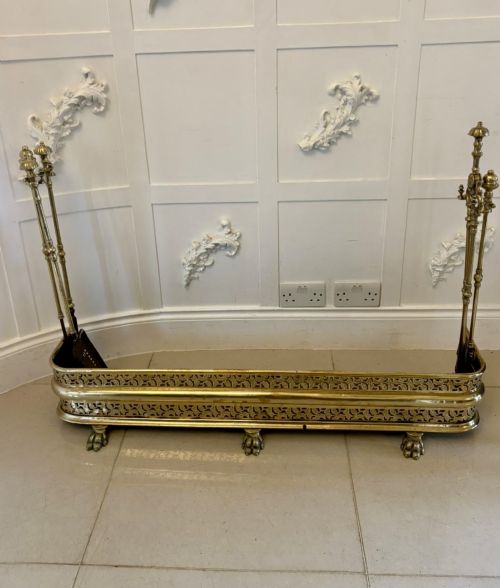
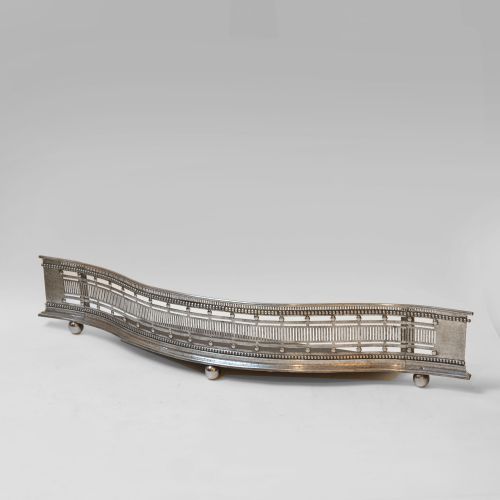
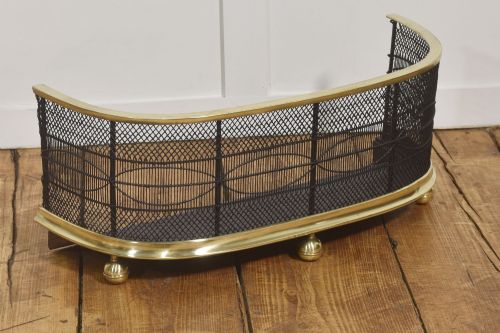
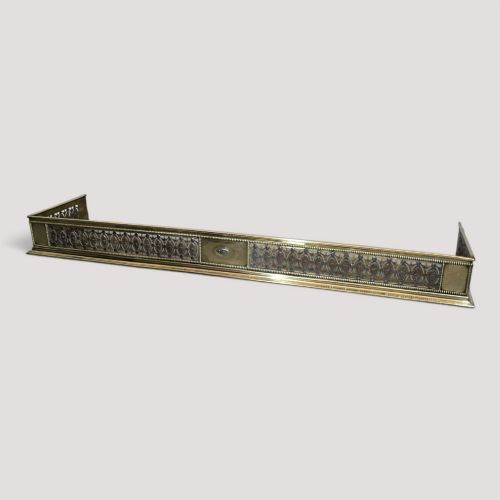
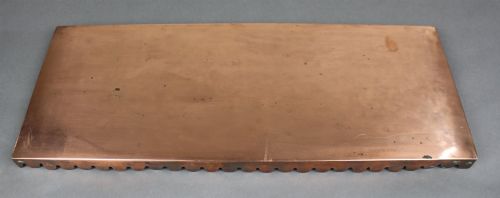
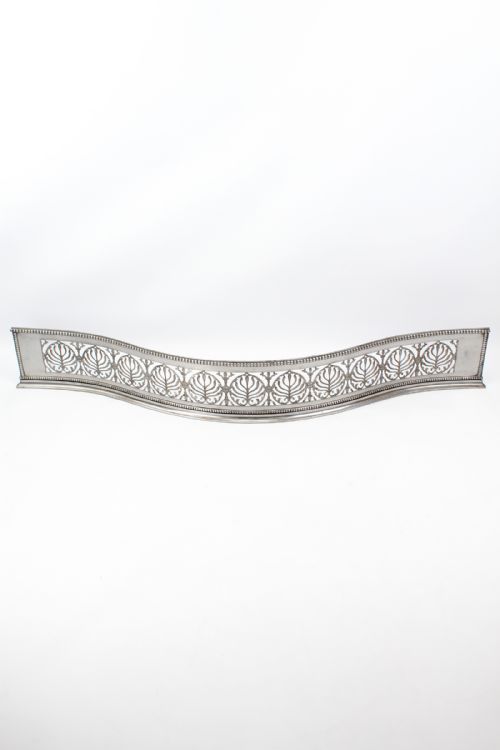
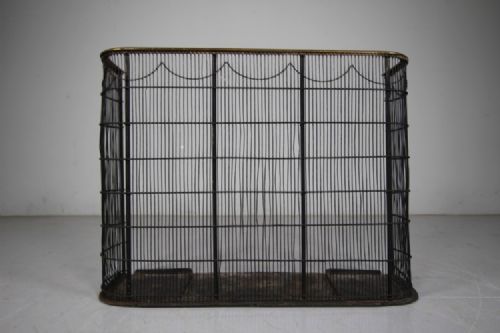
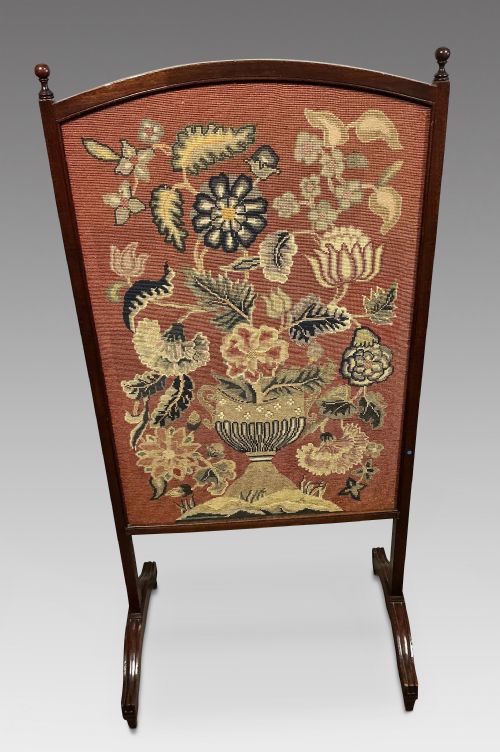
A georgian fireplace guard encompasses low heavy metal fenders, tall protective wirework nursery guards and adjustable framed fire screens. These pieces emerge primarily from the Georgian, Regency and Victorian periods, taking forms such as serpentine hearth fenders, bowfront steel guards and wood-framed pole screens. The selection on this page demonstrates how domestic hearth furniture evolved from simple functional iron plates into decorative focal points.
Buyers encountering this search phrase will find that the physical objects range from pierced brass curbs and polished steel grates to mahogany and rosewood screens inset with textiles, wool and needlework panels. Many incorporate decorative details like cut steel, giltwood or scrolled brass frames. Each piece reflects the material preferences and domestic habits of its period.
Materials and Technique
Makers shaped heavy metals such as brass, cast iron and polished steel through piercing, engraving and forging to create serpentine, bowfront and curved hearth fenders. Cut steel was applied for reflective detail, while wrought iron provided sturdy frames for protective wirework guards. These metal components were frequently paired with brass mountings and scrolled feet.
Cabinetmakers constructed freestanding fire screens from dense hardwoods including mahogany, rosewood and giltwood, housing adjustable textile, embroidery and needlework panels within the frames. The combination of turned poles, carved timber and taut woven panels required precise joinery to withstand the heat of the hearth.
Listings for this phrase include items spanning the eighteenth, nineteenth and twentieth centuries, constructed from brass, steel, iron, mahogany, rosewood and wool.
Craft and Proportion
The distinction between ordinary and superior pieces rests on the crispness of metal piercing, the depth of steel engraving and the weight of the brass or iron used in the frame. Higher quality hearth fenders display finely worked serpentine or bowfront profiles with integrated decorative elements rather than plain folded sheet metal.
In wooden fire screens and pole screens, quality is evident in the selection of timbers like figured rosewood or mahogany, the smoothness of adjustable ratchets and the intricacy of hand-stitched needlework and embroidery panels.
The Georgian Fireplace Guard Glossary
- Fender
- A low metal barrier placed in front of a fireplace to contain rolling embers and sparks. They are typically fashioned from brass, steel or cast iron.
- Fire Screen
- A freestanding panel designed to shield the occupants of a room from the radiant heat of an open fire when unlit. These often feature adjustable textile or needlework inserts.
- Pole Screen
- A type of fire screen with a vertical wooden pole supporting an adjustable sliding panel. The panel could be raised or lowered to deflect heat from the face.
- Serpentine
- A shape characterised by a undulating front edge with a convex centre flanked by concave curves. This contour appears frequently on better quality hearth fenders.
- Needlework
- Hand-stitched textile work utilising yarn on a canvas ground, commonly framed within period fire screens. These panels often display floral or geometric patterns.
Georgian Fireplace Guard: Frequently Asked Questions
What is a nursery fire guard?
A nursery fire guard is a tall protective enclosure made of wirework and metal framing designed to keep children at a safe distance from open flames and hot hearth furniture.
These pieces prioritise security and stability, often featuring fine mesh panels that allow heat to pass through while blocking stray sparks entirely.
How do I measure for a fender?
Measure the width of the fireplace opening and the hearth floor space available to ensure the metal curb or fender sits correctly against the masonry.
Take note of the depth and return dimensions, particularly for serpentine or bowfront shapes that project further into the room at the centre.
What is a club fender?
A club fender is a low hearth guard fitted with padded leather or upholstered seats along the top rails, designed for sitting close to the fire.
Originating in large country houses, these substantial brass or iron pieces combined domestic seating with practical hearth protection during colder months.
How do pole screens work?
Pole screens operate via a sliding mechanism on a vertical wooden shaft that allows the textile or needlework panel to be adjusted to any height.
Placed between the chair and the fireplace, they protected the face from excessive heat and glaring light before central heating and enclosed grates became common.