


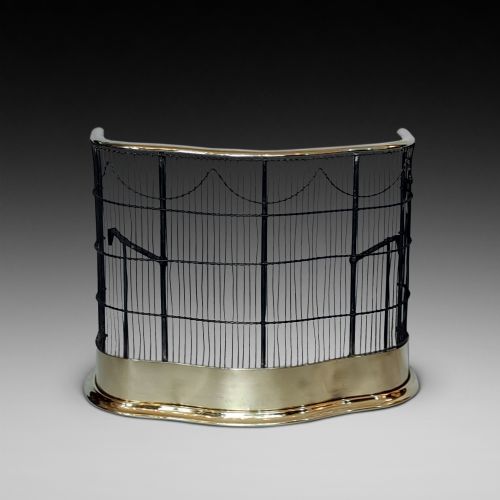


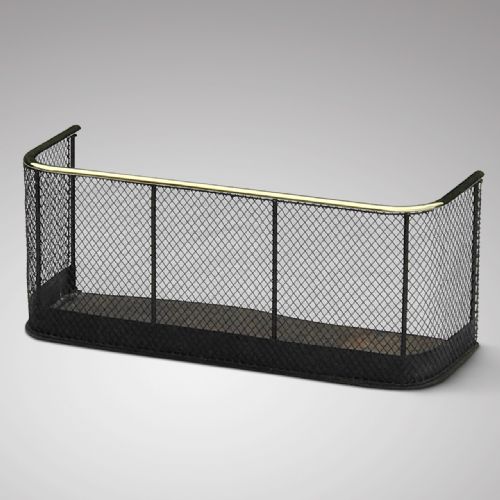
Vintage Nursery Spark Guard
These vintage nursery spark guard pieces provide practical hearth safety with period character.
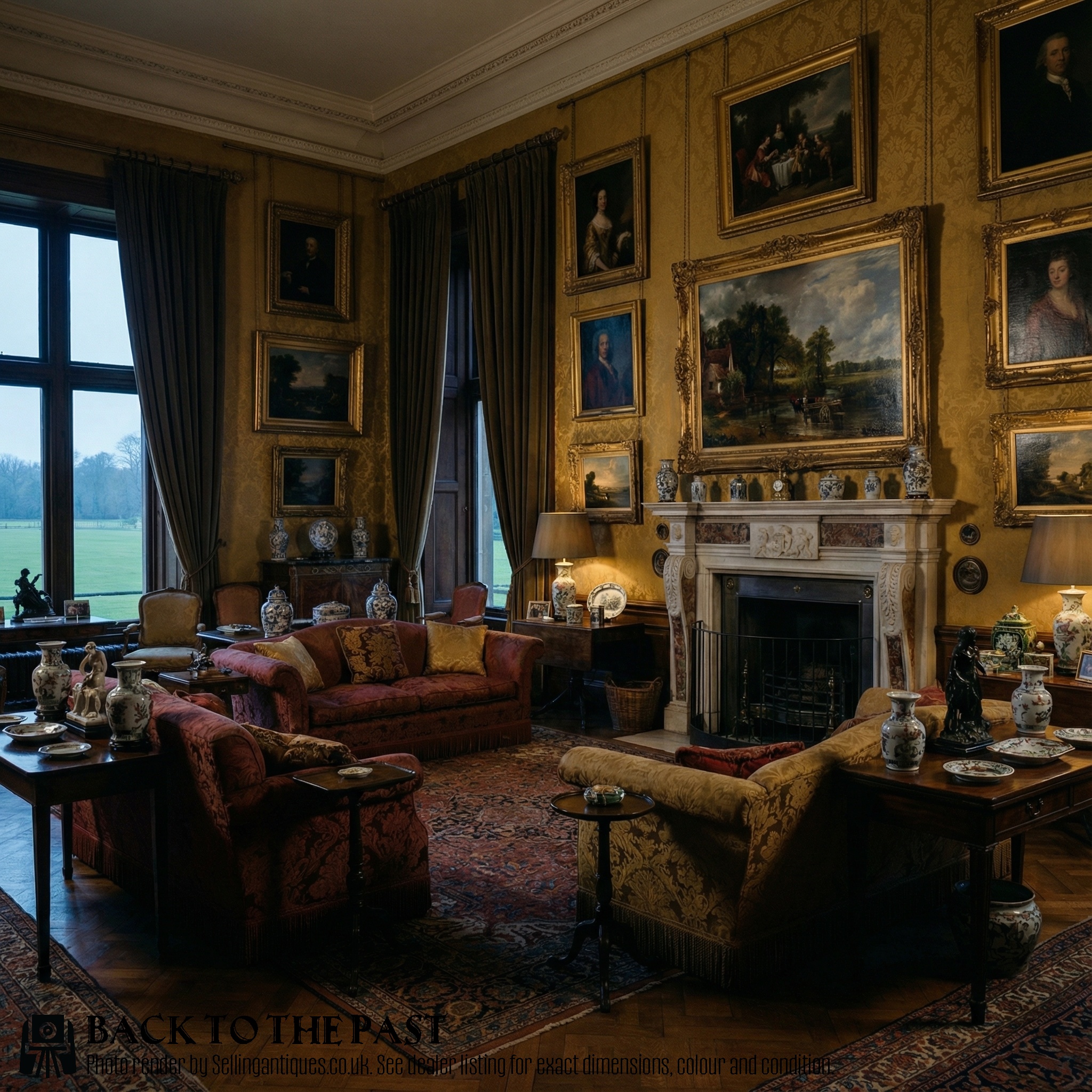
Vintage Nursery Spark Guard
A vintage nursery spark guard serves to protect children and interiors from stray embers while retaining an open view of the hearth. These pieces combine robust barrier protection with the decorative metalwork typical of nineteenth and early twentieth century domestic interiors.
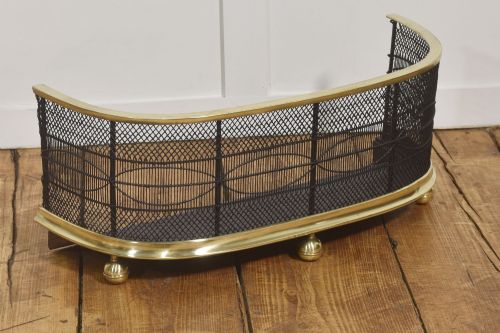
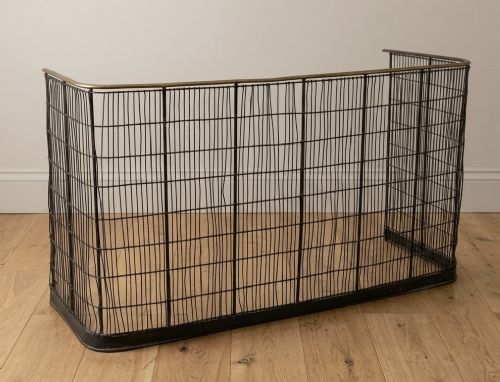
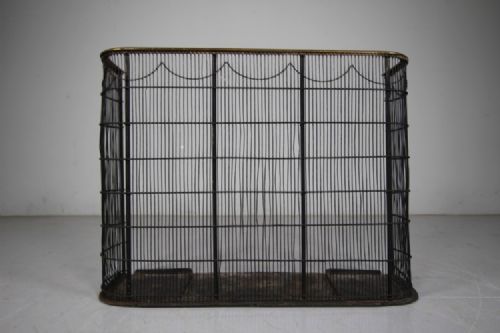
The versions most commonly met on this page date from the Victorian, Edwardian, and Regency periods, featuring sturdy metal frames and protective mesh or wirework. Many examples take the form of nursery fenders or fire guards, frequently incorporating polished brass top rails or bowed frames.
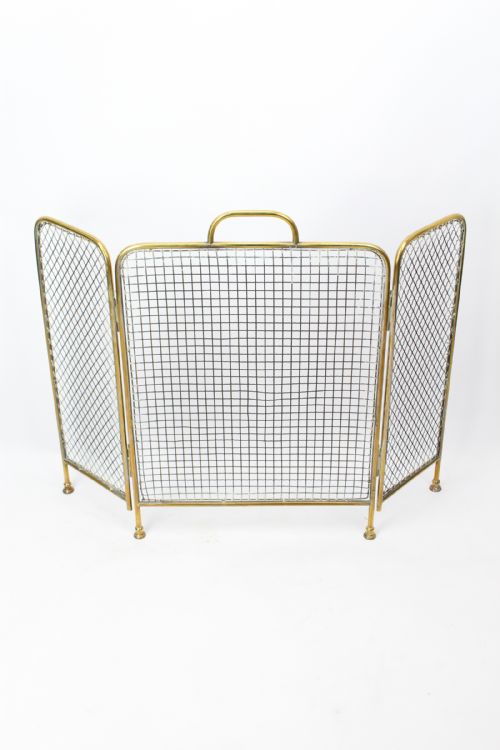
Makers utilised various iron and brass configurations to build enclosures that stood securely around the fireplace opening. Some designs include integrated rails or folding mechanisms intended for practical daily use in period homes.
How they were made
Makers constructed these items using durable combinations of brass frames and woven iron wire mesh. The structural components rely on wrought iron or steel wire to form the protective barrier, whilst brass is employed for decorative rims and top rails.
The wire mesh and woven iron wire were securely fastened within rigid metal frameworks to withstand daily heat and movement. Hand-formed wirework and riveted joints demonstrate the standard metalworking techniques of the nineteenth century.
Materials recorded across these listings include brass, iron, wire mesh, wrought iron, and steel.
What varies in quality
Quality in these guards rests upon the weight of the metal and the precision of the wirework construction. Pieces featuring solid brass top rails and tightly woven wire mesh exhibit superior durability compared to lighter domestic alternatives.
The refinement of the frame's shaping, such as serpentine curves and bowed brass rims, distinguishes finer examples. Heavier iron frames and robust structural joints indicate a higher standard of original manufacture.
The Vintage Nursery Spark Guard Glossary
- Nursery fender
- A low protective barrier placed around a fireplace to keep children at a safe distance from the fire. These guards often incorporate a raised top rail or integrated mesh.
- Wire mesh
- A barrier material formed by interwoven metal wires that allows heat to pass through whilst containing sparks. This material is a defining characteristic of protective hearth screens.
- Brass top rail
- A polished metal bar fitted along the upper edge of the guard. This component offers both a decorative finish and a sturdy grip.
- Serpentine fire guard
- A protective screen featuring a gently undulating or curved front profile. This shape adds elegance to the functional ironwork.
Vintage Nursery Spark Guard: Frequently Asked Questions
How do I measure for a nursery spark guard?
Measure the width and depth of your hearth stone to ensure the guard sits securely outside the fire area. Allow sufficient clearance around the grate while confirming the height provides adequate protection.
Take into account any projecting hearth furniture or uneven flooring when selecting a fender or screen. A well-fitted guard should enclose the hearth completely without obstructing access.
Can these vintage guards be used with modern fires?
These pieces function effectively with open fires and gas hearths, provided the dimensions match your fireplace opening. The wire mesh and metal frame contain sparks safely during operation.
Verify that the physical footprint of the guard matches your hearth space before regular use. Periodic checks of the wirework ensure the structure remains stable.
How do I clean brass and wire mesh?
Clean brass components with a suitable metal polish applied sparingly with a soft cloth to avoid staining the surrounding wire. Dust the wire mesh regularly using a soft brush.
Avoid harsh chemical cleaners that might strip the historic patina from the iron or brass surfaces. Gentle maintenance preserves the appearance of the metal over time.
How do I date a Victorian spark guard?
Examine the construction methods, such as the joining techniques on the brass frame and the gauge of the wire mesh. Victorian examples frequently utilise heavy brass rims and woven iron wire.
Compare the overall style and proportions with documented period designs from the nineteenth century. Details like bowed brass rails often point to specific manufacturing decades.