




Antique Fireplace Spark Fender
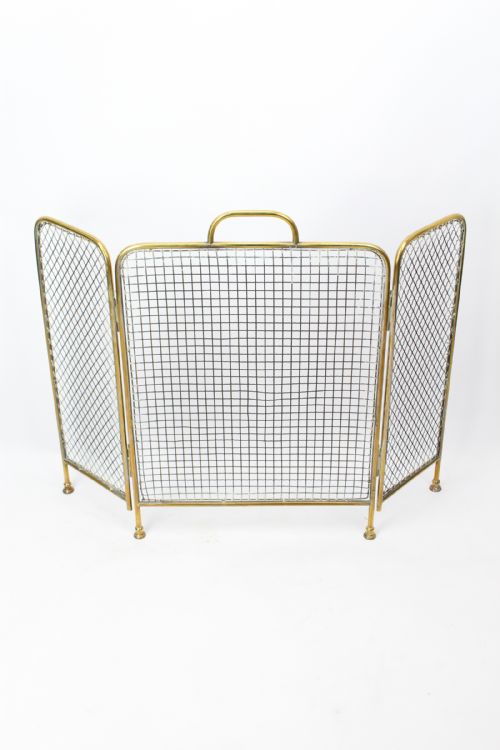
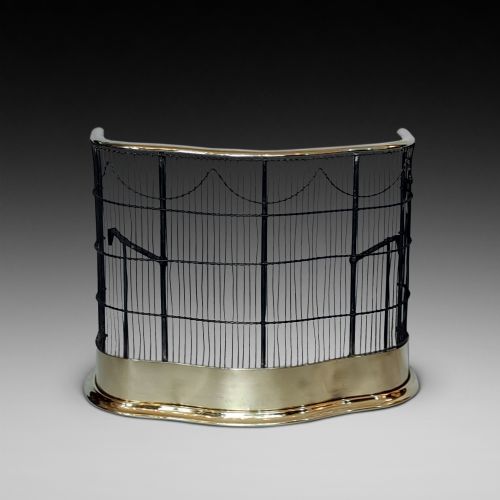
These antique fireplace spark fender pieces protect hearths and rooms from stray embers, combining practical wire mesh and brass frames.
Antique Fireplace Spark Fender
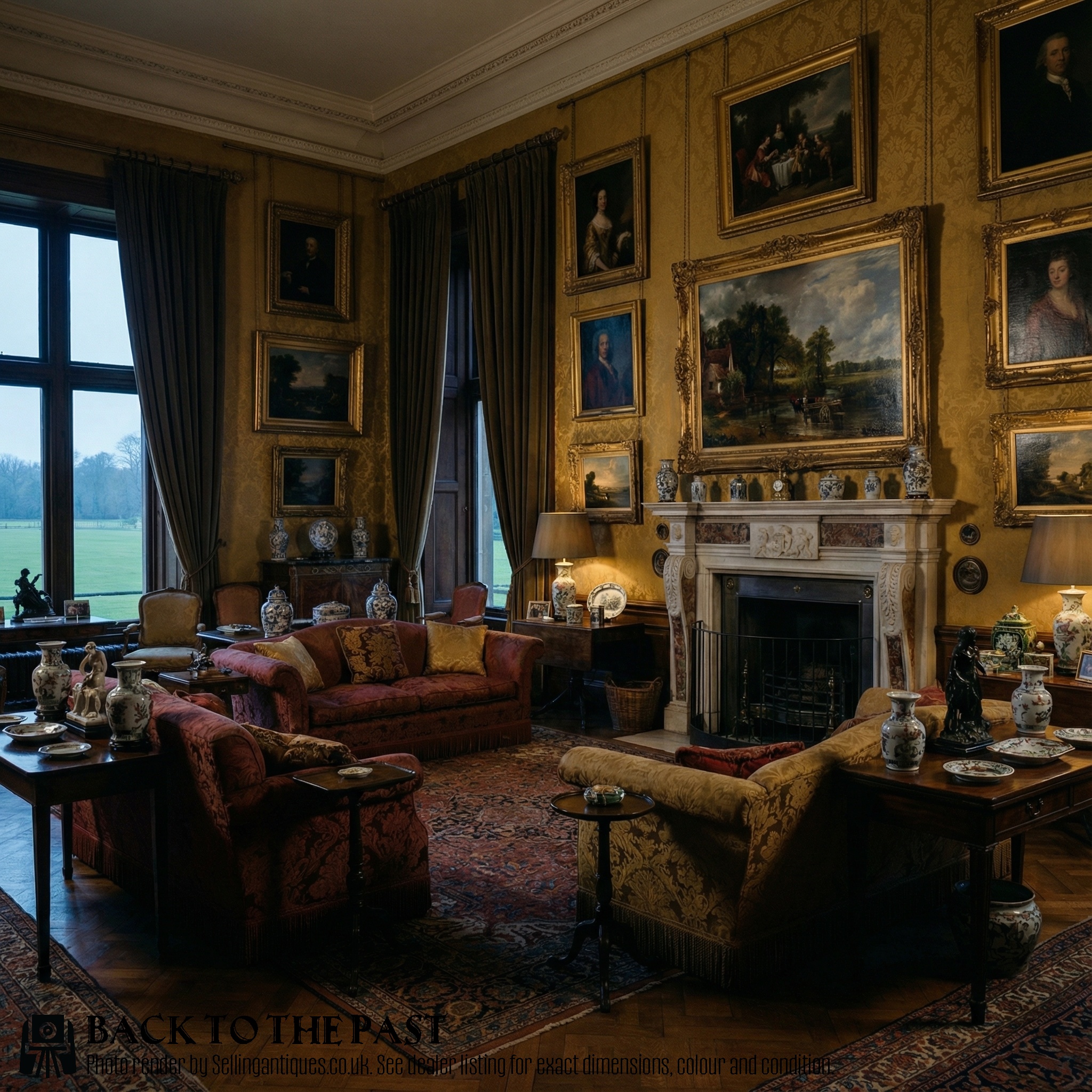
An antique fireplace spark fender serves as a barrier against flying coals and sparks in rooms with open hearths. Buyers seeking an antique fireplace spark fender will find functional guards designed to keep children and stray embers safely away from the fire.
The pieces listed span the 19th Century, Victorian, Edwardian, and Regency periods, showing how hearth safety evolved over time. Many take the form of nursery fenders or folding screens intended to surround the hearth completely.
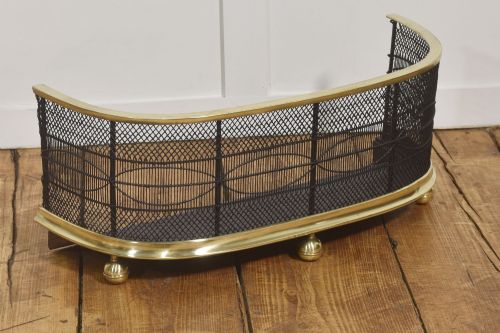
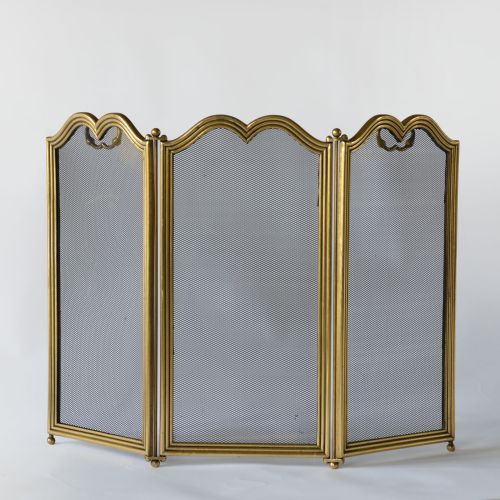
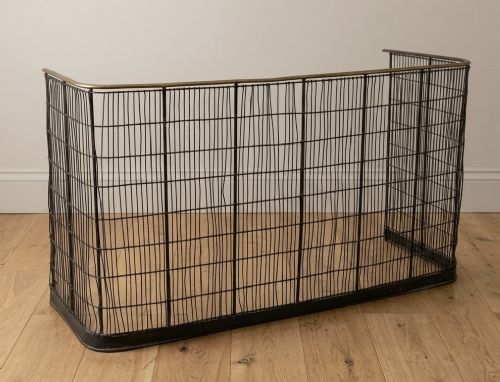
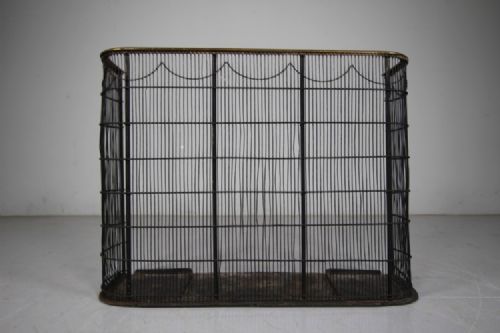
Forms include tripartite folding guards, bowed screens, serpentine designs, and versions with integrated clothes rails or brass top rails. Brass and wire mesh dominate these listings, appearing across Victorian and Edwardian examples alike.
How They Were Made
Maker construction relies heavily on combinations of brass frames matched with woven iron wire or steel wire mesh. The metalwork often incorporates wrought iron or steel to provide a sturdy skeletal structure.
Brass is utilised for rims, top rails, and flower-pierced borders, adding a decorative finish to the functional wire mesh bodies. Folding hinges allow tripartite and multi-section guards to adjust around hearths of varying shapes.
Periods represented span the Regency era, the 19th Century, the Victorian period, and the Edwardian era.
What Varies in Quality
Quality shows in the weight and gauge of the brass framing and the tightness of the woven wire mesh panels. Finer examples display cleanly riveted joints, neatly soldered brass rims, and well-balanced folding mechanisms.
Design elaboration also separates standard guards from superior pieces, such as those featuring serpentine curves, bowed frames, or integrated clothes rails. The crispness of pierced brass decoration and the retention of the original surface finish indicate better initial manufacture.
The Antique Fireplace Spark Fender Glossary
- Nursery fender
- A tall protective barrier designed to enclose the hearth area completely, keeping children at a safe distance from the fire. These guards often incorporate a brass top rail or clothes drying rail.
- Wire mesh
- A woven metal fabric made from iron, steel, or wire strands that stops sparks while allowing heat to pass into the room. This material forms the primary protective screen of the fender.
- Tripartite
- Divided into three sections, usually joined by hinges so the guard can fold or angle around a fireplace opening. This construction allows flexible placement on the hearth.
- Serpentine
- A gentle curving shape that undulates forward and backward in a wave-like line, seen on the frames of finer guards. This profile softens the rigid appearance of the metalwork.
- Bow front
- A convex, outward-curving front section designed to extend further out from the fireplace opening. This shape provides additional clearance for fire baskets and hearth accessories.
Antique Fireplace Spark Fender: Frequently Asked Questions
What is a spark fender?
A spark fender is a protective barrier placed around an open hearth to catch flying embers and prevent them from reaching flooring or furnishings. These pieces utilise mesh screens to maintain visibility of the fire while blocking stray sparks.
Historically, larger versions known as nursery fenders were employed in homes with children to keep little ones at a safe distance from hot grates.
How do I measure for a guard?
Measure the width and depth of your hearth stone or fireplace opening to ensure the guard sits securely around the perimeter. Consider whether you need a straight barrier, a bowed front, or a folding design that can adjust to your space.
Height is equally important, particularly if you are selecting a nursery fender intended to offer full vertical protection for the hearth area.
What periods do these date from?
The pieces available date across the 19th Century, including Regency, Victorian, and Edwardian eras. Victorian and 19th-century examples frequently feature heavy brass frames combined with wire mesh.
Edwardian items often display similar wirework construction alongside gate-fronted or folding configurations tailored to domestic hearths of the period.
Are folding guards stable?
Folding guards utilise hinged sections, such as tripartite designs, which allow the wings to angle inward for stability on the hearth. The weight of the brass frame helps anchor the mesh panels in place.
When placed on a flat hearth stone, these hinged screens maintain their shape and provide a reliable barrier against embers.
What metals were used?
Construction relies predominantly on brass, iron, steel, and woven iron wire. Brass forms the visible frames, rims, and decorative top rails on many Victorian and Edwardian examples.
Wire mesh, steel wire, and wrought iron make up the protective screening panels, offering durability and heat resistance.