



19th Century Brass Fender
These 19th century brass fender designs frame a hearth with genuine period metalwork, offering both safety and practical fireside seating.
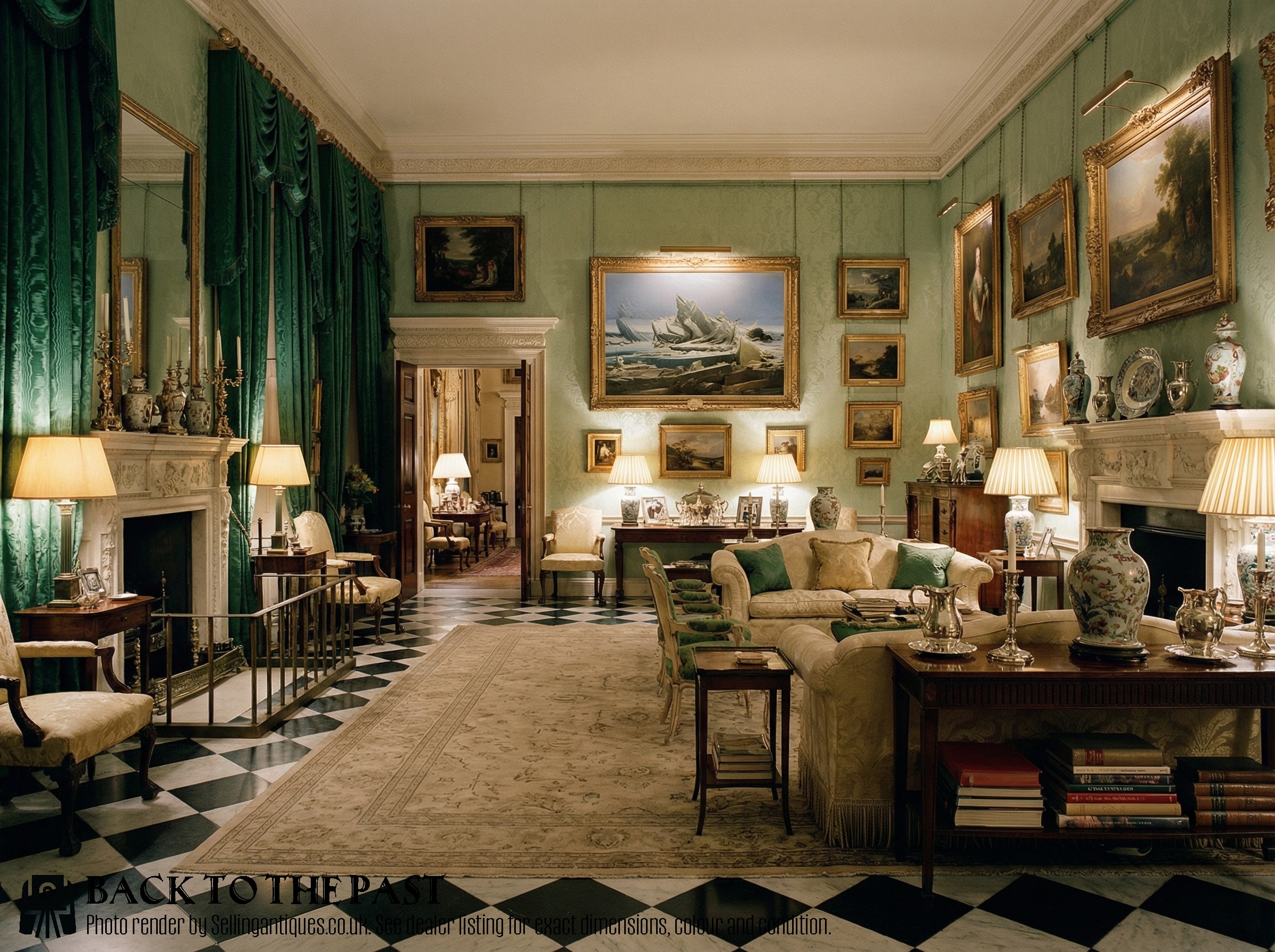
Understanding the 19th century brass fender
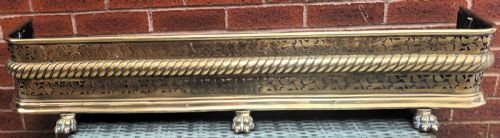
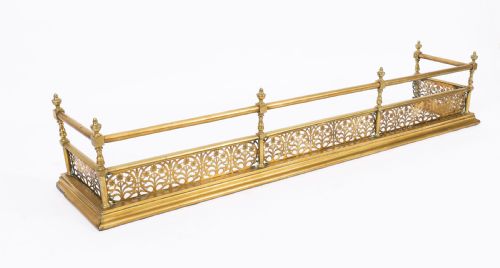
A 19th century brass fender forms the metal barrier around an open fireplace, keeping embers contained while defining the hearth. The inventory records forms ranging from standard curb guards to substantial club fenders equipped with upholstered seats.
Victorian examples dominate the selection, frequently adhering to Neoclassical or Adam style principles with symmetrical pierced work and polished surfaces. Variants include nursery guards with protective rails, extendable frames, and heavy gauge iron combinations.
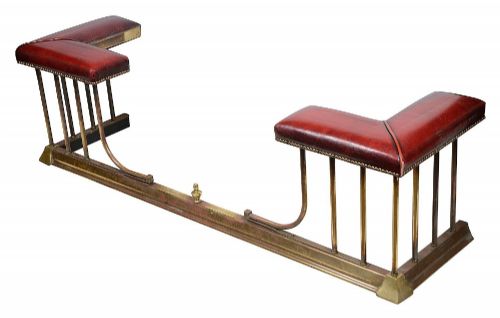
Club fenders appear frequently across the listings, incorporating leather seating pads supported by brass balustrades. These seating variants bridge the gap between hearth accessory and functional fireside furniture.
Materials and construction methods
Construction relies primarily on brass, often paired with iron for structural rigidity and internal frames. Certain pieces integrate leather for club fender seats, alongside occasional use of steel, copper, wire mesh, and oak.
Workshops utilised heavy gauge brass casting and sheet metal piercing to create decorative patterns along the curb. Finished surfaces range from high polish to patinated brass, sometimes incorporating bronze elements or protective handrails.
Retail Price Guide 2026
Typical UK retail prices for 19th century brass fender, calculated from the Sellingantiques database of over a million retail prices indexed since 2003. This retail price guide relies exclusively on Sellingantiques data; no external sources or auction records are used, so the figures do not describe the wider market.
Listings demonstrate combinations of brass, iron, leather, and oak across Victorian and Neoclassical styles.
Distinctions in craftsmanship and scale
Quality separates standard sheet metal guards from heavy gauge country house pieces featuring substantial brass and robust iron foundations. Superior examples display crisp pierced detailing, heavier metal weight, and integrated leather upholstery in sound condition.
Proportion and scale dictate the upper tier of the range, with exceptionally long or oversized formats requiring complex engineering to maintain structural integrity. The presence of specialised forms like club fenders or nursery guards with wall hooks indicates higher original investment.
The 19th Century Brass Fender Glossary
- Club fender
- A low-padded seat built over a brass frame surrounding the fireplace. This form allowed people to sit close to the fire during colder months.
- Nursery fender
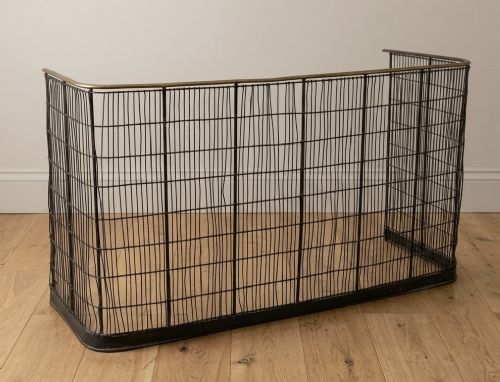
- A tall protective metal barrier designed to keep children at a safe distance from open flames. These typically feature elevated rails and mesh guards.
- Curb fender
- A low metal barrier that sits directly on the hearthstone to contain rolling logs and sparks. It marks the formal boundary of the fireplace.
- Pierced brass
- Metal sheet perforated with decorative patterns such as scrolling foliage or geometric motifs. This technique lightened the visual weight of heavy guards.
- Serpentine fender
- A hearth barrier curved in a gentle wave shape, following the convex and concave lines popular in Neoclassical design.
Frequently Asked Questions
How do I choose the right size?
Measure the width and depth of your hearthstone carefully before browsing available dimensions. Consider whether you need a compact curb guard or a larger club fender that extends into the room.
Keep in mind that some period pieces offer extendable frames to adjust the overall span. Ensure adequate clearance around the hearth for safe passage.
Were club fenders used for seating?
Club fenders were specifically constructed with upholstered leather seats to provide comfortable vantage points right beside the fire. The sturdy brass and iron framework supported the weight while protecting sitters from direct heat.
This dual purpose made them popular in larger country house drawing rooms. The elevated position also kept drafts away from the lower body.
What is a nursery fender?
A nursery fender incorporates a taller barrier and wire mesh or upper rails to prevent children and pets from reaching the fire. These functional pieces prioritised safety while maintaining solid brass and iron construction.
Many included wall hooks for added stability against active households. They represent a specific domestic requirement of the period.
How do I care for polished brass?
Maintain polished brass surfaces by dusting regularly with a soft dry cloth to prevent tarnish accumulation. Avoid harsh chemical abrasives that can strip the historic patina developed over the centuries.
For unpolished or aged brass, gentle cleaning preserves the darker, mellow tones characteristic of nineteenth-century metalwork. Leather seats on club fenders benefit from occasional conditioning to keep the hide supple.