



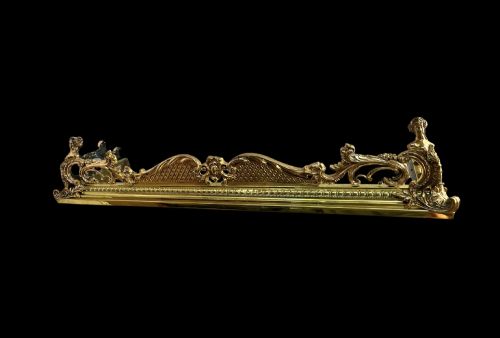
Vintage Brass Fender
A vintage brass fender anchors the hearth with period weight, offering a practical seat and polished metal warmth.
What vintage brass fenders are
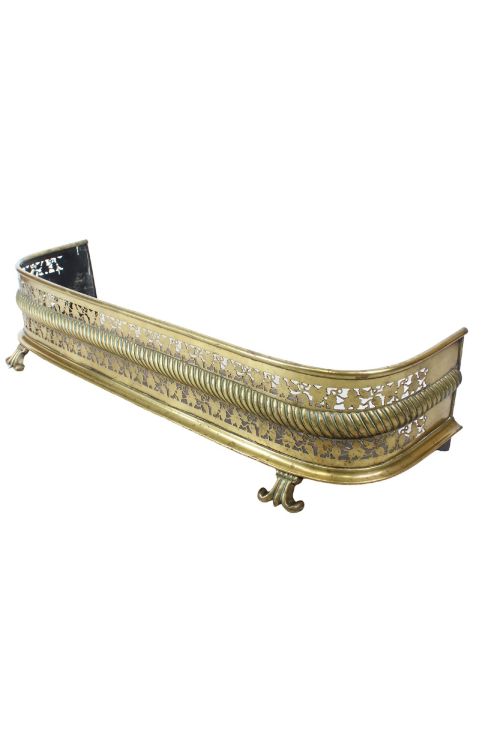
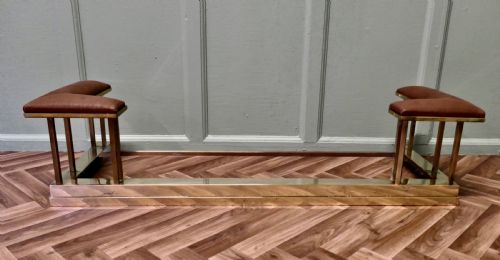
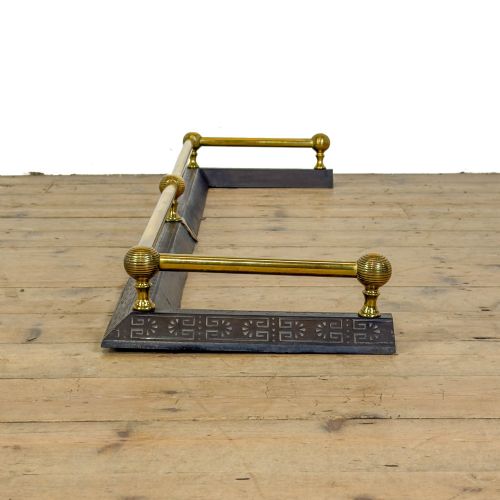
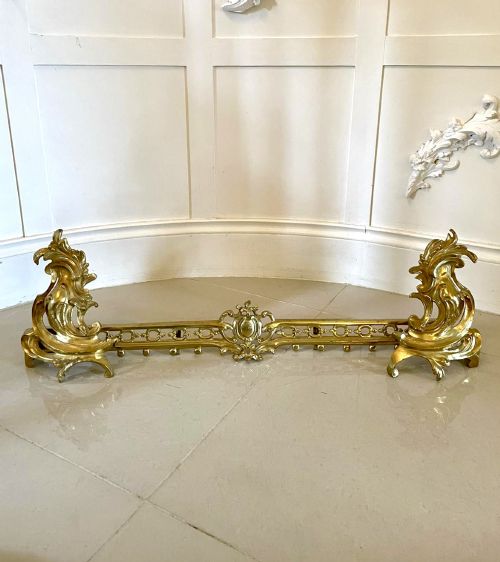
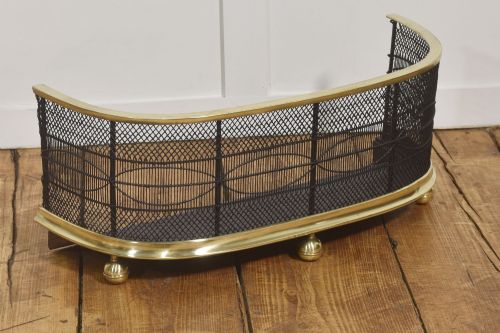
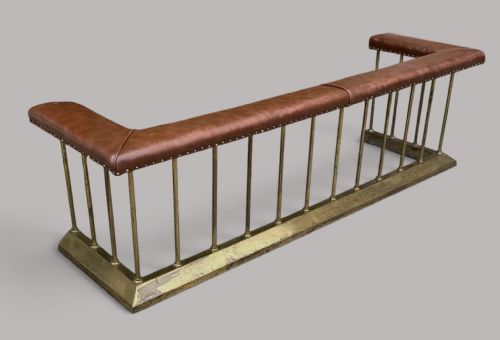
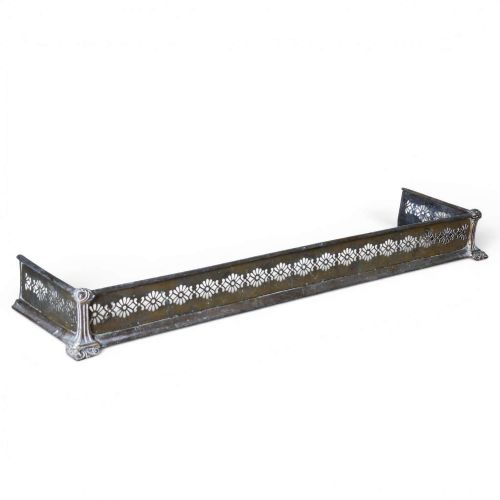
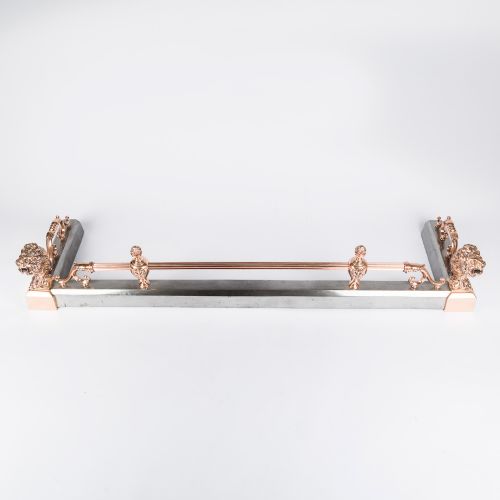
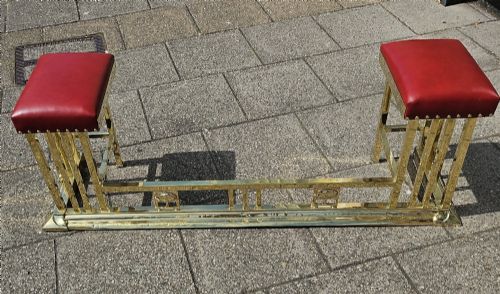
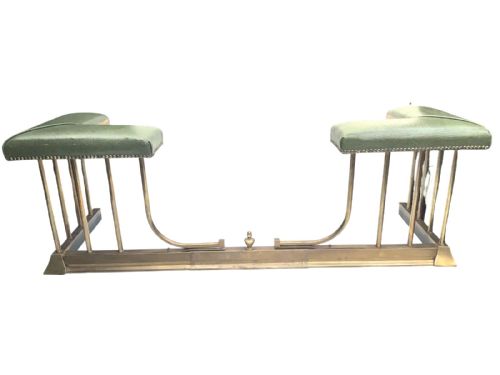
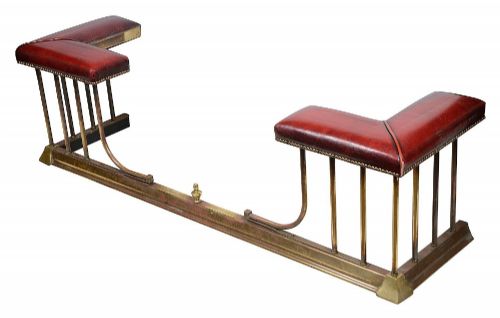
A vintage brass fender is a substantial hearth accessory designed to surround an open fire while providing low seating on integrated upholstered pads. The examples gathered here span the Victorian, Edwardian, and Art Deco periods, encompassing both standard fireplace fenders and specialised club fenders.
Victorian and Edwardian iterations dominate the selection, frequently featuring polished brass frames paired with leather Chesterfield-style seats. The 1920 style brings a daintier proportion and distinct Art Deco aesthetic to the fireside group.
Buyers seeking a vintage brass fender will encounter sturdy tubular metal construction combined with padded leather or fabric tops. These hearth furnishings serve the dual purpose of containing ash and embers while accommodating fireside company.
Materials and construction
Construction relies primarily on brass, shaped into sturdy frames and decorative rails that withstand the heat and daily wear of the hearth. Metal components receive a polished finish to catch the firelight.
Upholstered elements introduce leather and fabric surfaces to the upper rails, creating comfortable padded seats. These materials are fastened securely to the metal foundations using traditional methods appropriate to the Victorian, Edwardian, and 1920 eras.
Retail Price Guide 2026
Typical UK retail prices for vintage brass fender, calculated from the Sellingantiques database of over a million retail prices indexed since 2003. This retail price guide relies exclusively on Sellingantiques data; no external sources or auction records are used, so the figures do not describe the wider market.
Some Edwardian gentlemen considered a proper club fender the only acceptable vantage point for warming cold shins after a wet hunt.
Distinctions in quality
Quality reveals itself in the substance of the brass framework and the integrity of the joinery where corners and joints meet. Heavier metal gauge and refined polishing separate robust examples from lighter, less substantial alternatives.
The execution of the leather or fabric seating surface dictates the upper tier of the range. Tightly fitted upholstery with sympathetic period detailing elevates a piece above standard utilitarian hearth guards.
The Vintage Brass Fender Glossary
- Club Fender
- A low fireside surround incorporating upholstered seats on opposing sides. This form allows people to sit close to the hearth in comfort.
- Chesterfield Seat
- Deeply buttoned upholstery providing a firm, tufted surface. It is commonly found on Edwardian and Victorian club fender tops.
- Brass
- A durable copper and zinc alloy prized for its bright golden appearance. Polished brass forms the structural backbone of these hearth pieces.
- Edwardian
- The architectural and decorative period spanning the early twentieth century. Pieces from this era often balance ornate metalwork with practical comfort.
Frequently Asked Questions
What is a club fender?
A club fender is a hearth surround fitted with padded seats on either side. It originated in gentlemen's clubs to allow close seating by the fire.
These pieces combine metal frames with leather or fabric upholstery. They create a sociable fireside seating arrangement.
How do I clean a brass fender?
Brass surfaces require gentle cleaning with appropriate metal polishes to maintain their shine. Avoid abrasive cloths that might scratch the polished finish.
Leather seats need conditioning specific to hide to prevent cracking over time. Regular dusting keeps both components in sound condition.
Are these fenders safe for open fires?
These metal surrounds help contain stray embers and act as a physical barrier around the hearth. They are built to withstand the ambient heat of an open fire.
Care should be taken with the upholstered seats if placed extremely close to aggressive hearth sparks. Their primary function remains structural containment and seating.
How do I date a brass fender?
Dating relies on stylistic clues such as the presence of Edwardian proportions or Art Deco geometric lines. Victorian examples often display heavier, more ornate brass castings.
Materials like buttoned leather or specific fabric types further anchor a piece to its decade of manufacture. Construction techniques inside the frame offer additional chronological evidence.