


Leather Topped Fender
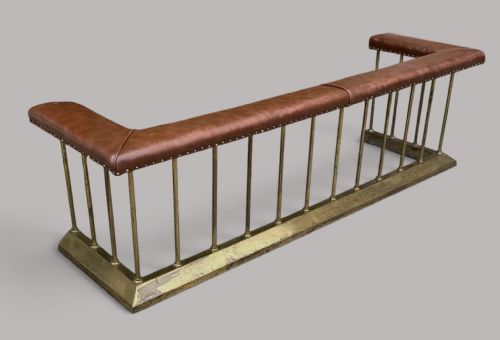
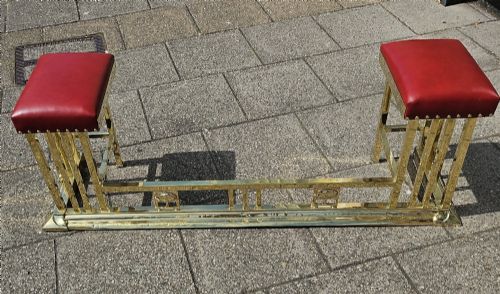
These leather topped fender examples provide a fender seat for the hearth, combining metalwork with upholstered comfort.
Leather Topped Fender
When you search for a leather topped fender, you are looking at substantial hearth furniture designed to provide low seating around a fireplace. These club fenders appear in forms ranging from substantial Victorian brass structures to early twentieth century examples.
The most common versions on this page combine metal frames with upholstered leather seat pads. They originate from periods spanning the nineteenth century through to the Art Deco and Edwardian eras.
Makers utilised various metals including brass, copper, iron, and wrought iron alongside oak frames. The designs function as fireplace accessories that keep warmth close while offering a convenient perch.
How they were made
Maker workshops constructed these frames using heavy iron, wrought iron, and polished brass or copper to withstand the heat and daily wear of the hearth. Oak also appears as a primary structural material in certain Arts and Crafts pieces.
The top rails received padding and leather upholstery in mature tan shades to create comfortable corner seats. Rivets and secure fixings bound the hide firmly to the metal or wooden substructure.
Club fenders let gentlemen argue politics so close to the flames their shins practically roasted.
What varies in quality
Substantial weight separates the finest examples from lighter iterations, with heavy brass and thick iron frameworks indicating robust construction. The quality of the leather upholstery and the heft of the metal components dictate the overall standard.
Refined decorative detail in the metalwork and the integrity of the original joints distinguish superior specimens. Well-proportioned club fenders demonstrate careful joinery and enduring materials that survive across generations.
William Birch
The Leather Topped Fender Glossary
- Club Fender
- A low hearth surround featuring upholstered seats on either side. These items originated in gentlemen's clubs to maximise fireside warmth and seating.
- Wrought Iron
- Iron beaten and shaped by hand into decorative or structural forms. This material provides sturdy support for heavy fireplace accessories.
- Brass
- An alloy of copper and zinc known for its bright golden appearance. It forms the primary polished framework on many nineteenth century examples.
- Edwardian
- A stylistic period spanning the reign of King Edward VII until the First World War. Pieces from this era often display lighter proportions than their Victorian predecessors.
Leather Topped Fender: Frequently Asked Questions
What is a leather topped fender?
A leather topped fender is a hearth accessory that combines a metal or wooden frame with padded leather seats. It surrounds the fireplace opening to retain ash and provide low seating.
These pieces emerged in period interiors to allow people to sit close to the fire. The upholstered top rails make them comfortable for prolonged fireside sitting.
How do I date a club fender?
Dating relies on observing the prevailing styles, materials, and manufacturing techniques evident in the piece. Victorian examples often feature heavy brass, whereas Edwardian and later pieces may show Art Deco influences.
Examining the metalwork and the type of leather helps narrow down the decade of manufacture. Makers often employed construction methods characteristic of their specific historical era.
Where were club fenders used?
These fenders were placed directly onto the floor around domestic fireplaces in large reception rooms and libraries. They served as a barrier between the open fire and the room.
The integrated seats allowed occupants to sit directly in front of the hearth. This placement maximised warmth during colder months.
Are these fenders adjustable?
Many traditional club fenders were made to measure for specific hearth dimensions during the Victorian and Edwardian periods. Their sizing corresponds to the fireplace opening they originally accompanied.
Buyers should measure their hearth space carefully before selecting a piece. The solid construction of brass and iron means alterations are rarely straightforward.