
Fireplace Hearth Surround
A fireplace hearth surround organises the hearth, and these brass, steel and leather pieces frame the fire with period weight.
Fireplace Hearth Surround
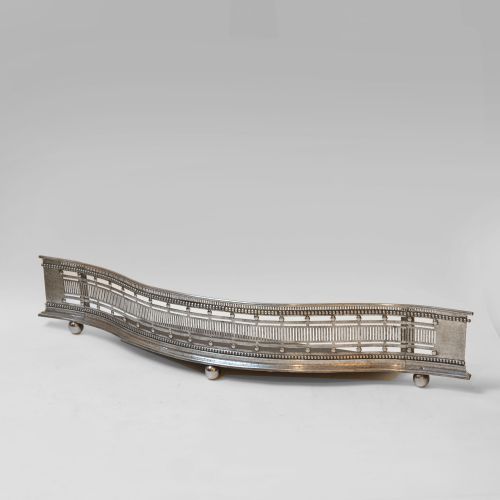
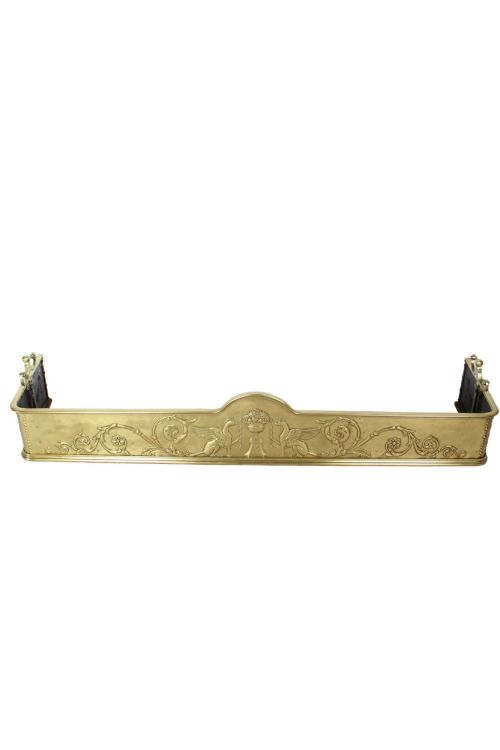
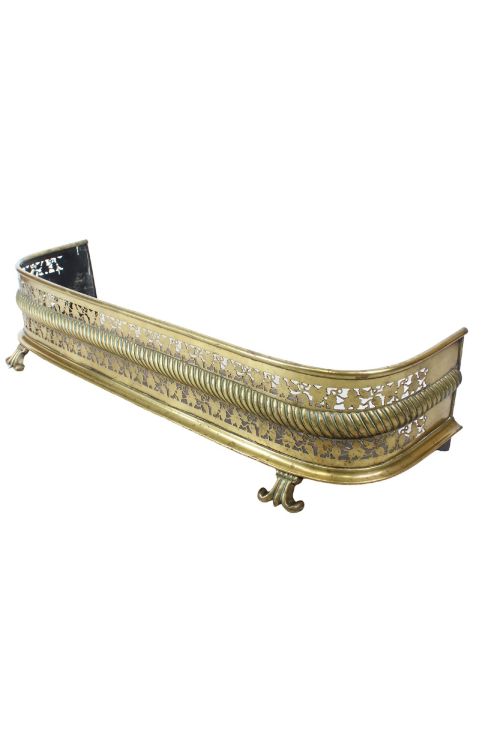
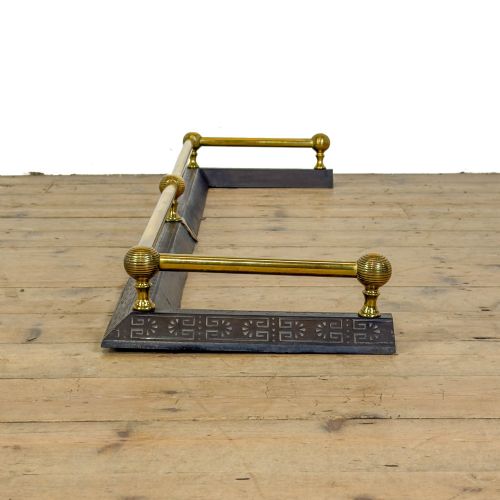
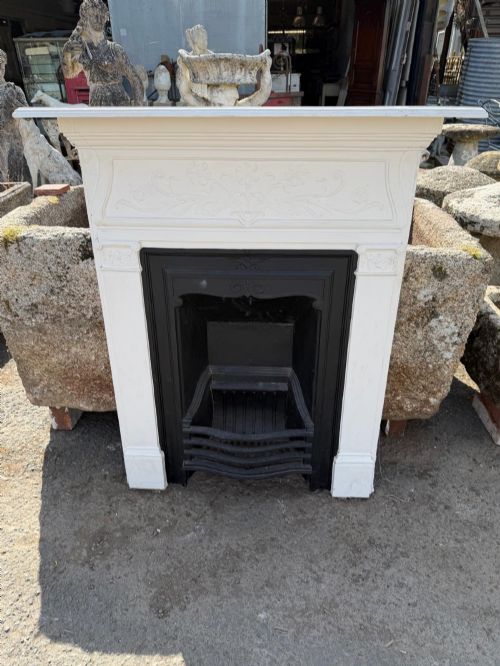
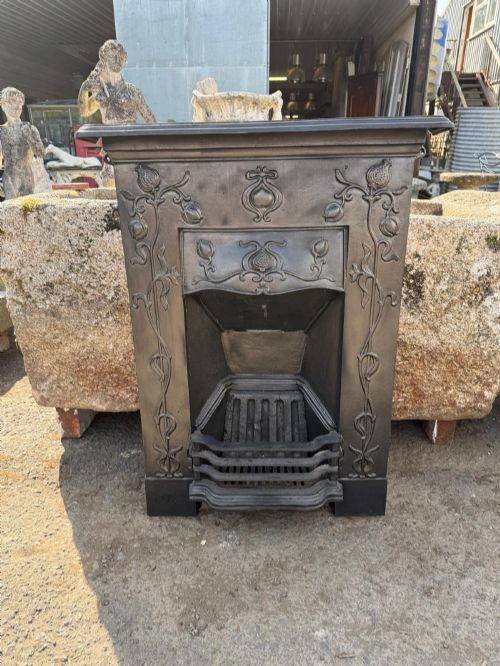
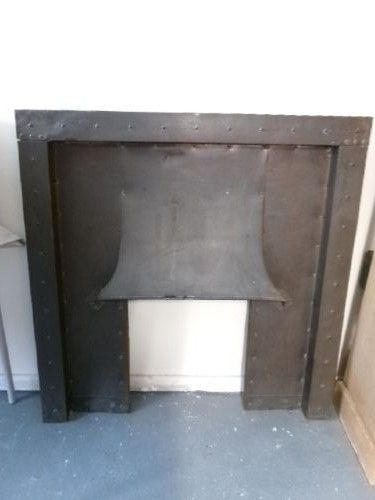
When you search for a fireplace hearth surround, you encounter fenders, kerbs, and club fenders that enclose the hearth area. These pieces originate across the Georgian, Victorian, and Edwardian periods, running from combination fireplaces down to fire fronts with hood canopies.
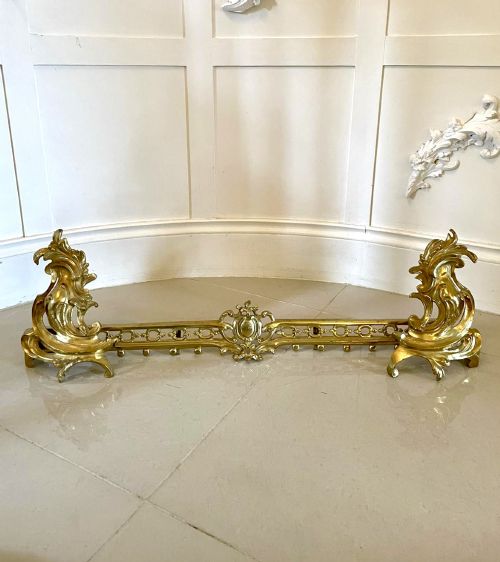
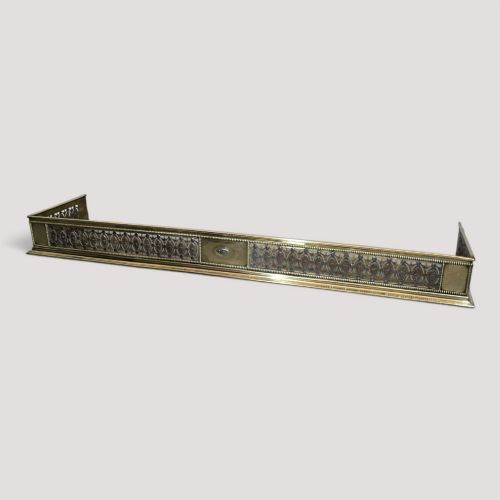
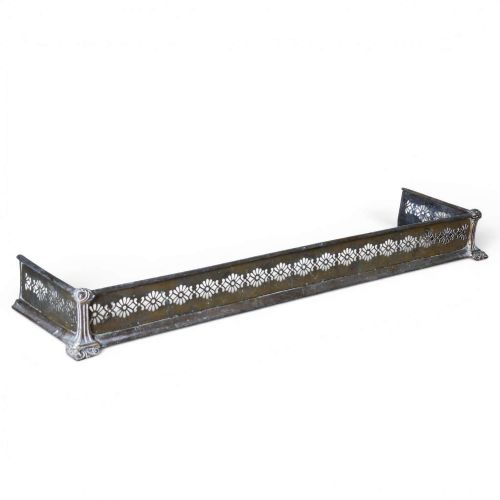
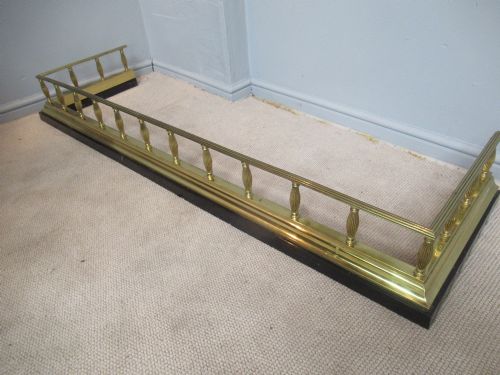
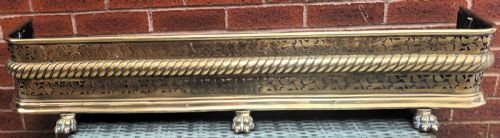
The version you are most likely to meet on this page is the Victorian or Edwardian brass fender, often pierced, extending, or fitted with leather seating. These items define the perimeter of the fireplace while offering functional seats or guards.
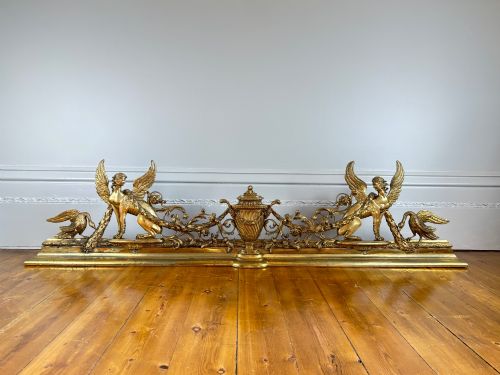
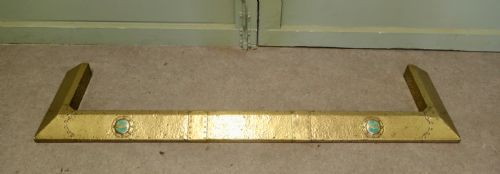
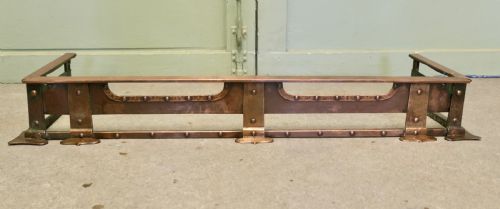
The selection extends to Georgian bowfront and serpentine steel designs, alongside Arts and Crafts copper pieces adorned with green enamel cabochons or riveted plates. French Rococo, Art Nouveau, and Art Deco styles also appear among the cast iron and ormolu examples.
How they were made
Makers utilised cast iron, brass, steel, and copper, often combining them with leather or bronze to build rigid, heavy hearth furniture. Piercing, engraving, and riveting transformed sheet metal into decorative railings and kerbs.
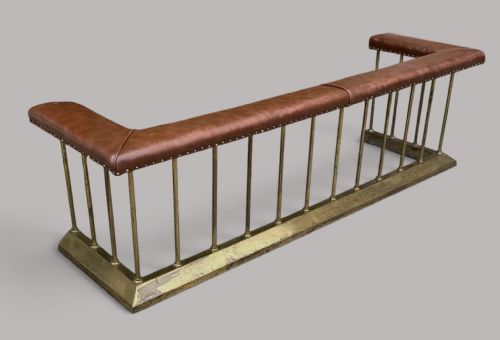
Upholstered club fenders integrated mature tan leather seats onto brass frames, employing traditional stuffing and buttoning techniques. Cast elements involved foundry work seen in the Coalbrookdale combination fireplaces and floral patera decorations.
What varies in quality
The calibre of a fireplace hearth surround rests on the weight of the metal and the crispness of the chasing or engraving. Substantial brass and steel gauges combined with hand-cut steel details separate the finest workshop output from simpler production pieces.
Proportion and material integrity dictate distinction, from the quality of the leather hides on club seats to the precision of the pierced gallery work. Maker attribution, such as signed foundry items, elevates the standing of individual examples.
Coalbrookdale·E F Caldwell New York
The Fireplace Hearth Surround Glossary
- Club fender
- A low-seated hearth surround upholstered in leather, allowing people to sit close to the fire. These frames often feature adjustable brass uprights.
- Patera
- A circular ornamental bas-relief resembling a classical libation dish, frequently cast in brass or copper on Victorian fenders.
- Serpentine
- A gently undulating curved shape seen on the front rail of Georgian steel fire fenders. This profile required precise forging and hand-finishing.
- Bowfront
- A curved convex front outline found on Georgian steel fenders, designed to project slightly into the room.
- Ornate
- Heavily decorated with cast or chased motifs in styles such as French Rococo or Neoclassical.
Fireplace Hearth Surround: Frequently Asked Questions
What is a club fender?
A club fender is a hearth surround fitted with cushioned seats on either side of the fireplace opening. This design originated to provide comfortable seating directly by the fire.
Victorian and Edwardian examples often utilise leather upholstery over brass or oak frames. They combine the traditional guard rail with practical fireside furniture.
How do I date a brass fender?
Dating relies on stylistic clues, construction methods, and material combinations. Georgian pieces often feature steel with serpentine or bowfront shapes, while Victorian items lean towards pierced brass and cast ornamentation.
Edwardian and early twentieth-century pieces frequently introduce upholstered leather seats and simpler geometric Art Deco lines. Examining the fastenings and metal casting techniques helps confirm the period.
Are all hearth surrounds adjustable?
Not all hearth surrounds are adjustable, but many Victorian and Edwardian brass fenders incorporate sliding mechanisms. These allowed the width to be altered to fit different fireplace openings.
Fixed models were constructed to exact room dimensions and cannot be altered. Checking the description confirms whether a specific piece offers an extending function.
How do I clean a brass fender?
Cleaning depends on the desired level of shine and the presence of historic patina. Gentle dusting and occasional wiping with a soft cloth preserve the surface without stripping the age.
Harsh metal polishes should be avoided on pieces with a dark or aged finish. Allowing the brass to age naturally maintains its historical character.