


Copper Fire Surround
A copper fire surround brings a warm, metallic focal point to a hearth, combining sturdy metalwork with distinctive period character.
Copper Fire Surround
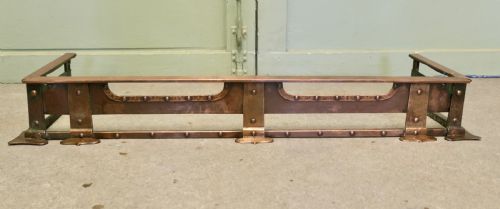
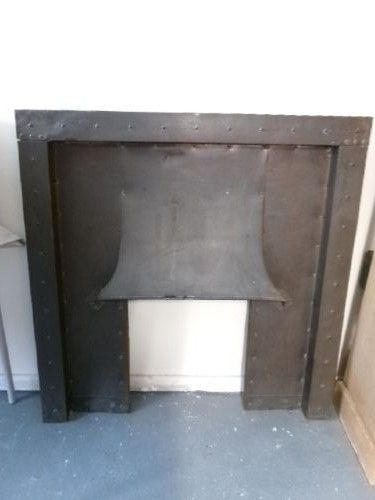
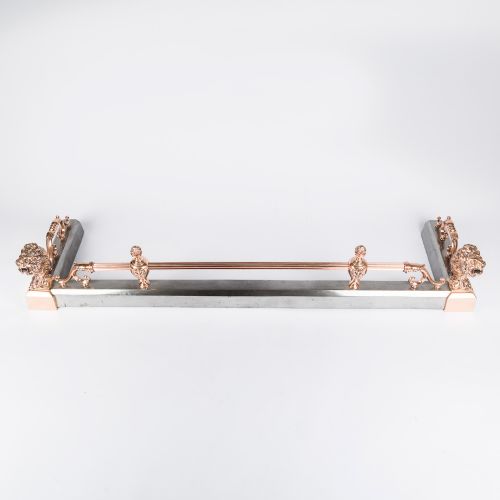
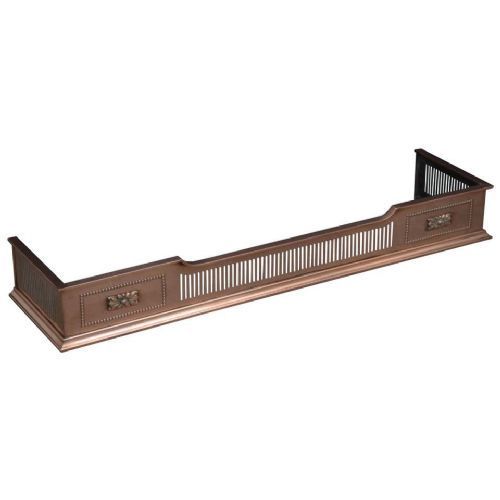
When you search for a copper fire surround, you are looking at hearth furniture and architectural fixtures that span the Victorian, Edwardian, and nineteenth-century periods. These items include fireplace fenders, kerbs, fire fronts with hood canopies, and fireplace inserts designed to frame an open hearth.
The versions you are most likely to meet on this page lean heavily into the Arts and Crafts and Art Nouveau styles. They combine functional iron, steel, or brass frames with expressive panels of copper.
Many examples incorporate decorative details such as flower patera, beaded decoration, riveting, and embossed motifs. You will also find club fenders that integrate leather seating into the metal structure for fireside comfort.
Materials and construction methods
Makers utilised sheet copper alongside structural iron, steel, and brass to build robust frames that could withstand daily hearth use. The metal was frequently beaten, embossed, or polished to catch the firelight.
Riveting played a major role in joining heavy plates together, particularly in Brutalist and Arts and Crafts examples where structural honesty was celebrated. Oak surrounds also appeared in some composite designs alongside copper inserts.
Decoration relied on hand-worked surface textures, applied brass motifs, and cast iron supports rather than mass-produced ornamentation.
Some Victorian fenders came equipped with leather seats so you could warm your toes quite literally on the furniture.
Assessing quality in period metalwork
Quality rests on the thickness of the metal gauge and the precision of the hand-beaten or embossed surface details. Finer pieces display crisp botanical motifs, such as flower patera, and cleanly finished edges.
The integrity of the underlying iron or steel framework determines longevity, separating sturdy architectural survivals from lighter decorative items. Integrated elements like leather upholstery on club fenders show craftsmanship in both the metal smithing and the trimmings.
The Copper Fire Surround Glossary
- Fender
- A low metal guard placed around the hearth to keep burning coals and ash contained. It often doubles as a seat in club fender variations.
- Art Nouveau
- A decorative style characterised by flowing, organic lines and floral motifs, popular around eighteen ninety to nineteen hundred. It heavily influenced fireplace design during the late Victorian and Edwardian eras.
- Arts and Crafts
- A design movement valuing handcraftsmanship, visible construction methods like rivets, and simple natural materials. Pieces from this tradition often feature beaten copper panels.
- Patera
- A circular ornamental relief carved or stamped to resemble a classical libation dish. They frequently decorate the corners of Victorian and Edwardian fenders.
- Fire Insert
- A self-contained metal unit fitted into the chimney opening to hold the fuel and direct heat. Some incorporate decorative copper hoods and surrounds.
Copper Fire Surround: Frequently Asked Questions
What is a copper fire surround?
A copper fire surround is a decorative and functional metal framework designed to enclose a domestic hearth. These pieces protect the room from stray embers while adding a metallic design element to the fireplace.
They appear in various forms, including low kerbs, fenders with integrated seating, and complete fire inserts with protective hoods.
How do I date a copper fire surround?
Dating relies on stylistic clues and construction methods associated with specific eras such as the Victorian and Edwardian periods. Arts and Crafts and Art Nouveau design motifs typically point towards the late nineteenth and early twentieth centuries.
Heavier riveted construction often signals nineteenth-century origins, while polished finishes and floral patera frequently align with eighteen ninety to nineteen hundred production.
How do I care for antique copper?
Antique copper requires gentle cleaning to preserve its historic patina rather than aggressive polishing that strips away age. Dusting with a soft cloth and occasionally applying suitable wax helps protect the surface from tarnishing.
Avoid abrasive cleaners that can scratch embossed details or damage applied brass and leather elements.
Are these pieces suitable for active fireplaces?
Most historic metalwork is built from robust iron, steel, and copper designed to withstand hearth conditions. However, the intended use depends on whether the item is a structural fender, an insert, or a purely decorative kerb.
Checking the internal frame construction ensures the piece can handle the heat and physical proximity of an active fire.