
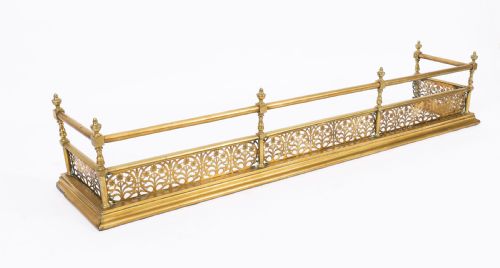

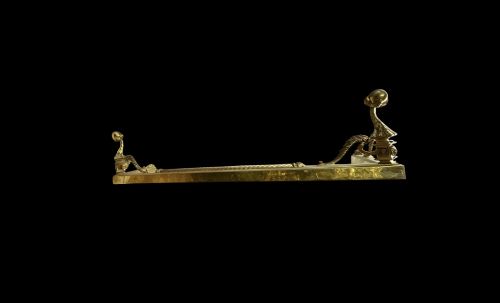


Traditional Fire Curb
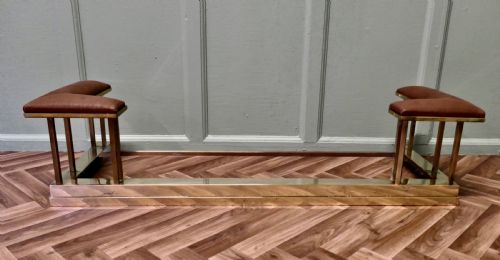
A traditional fire curb frames the hearth with metal and leather, keeping embers in place and offering a seat by the fire.
Traditional Fire Curb
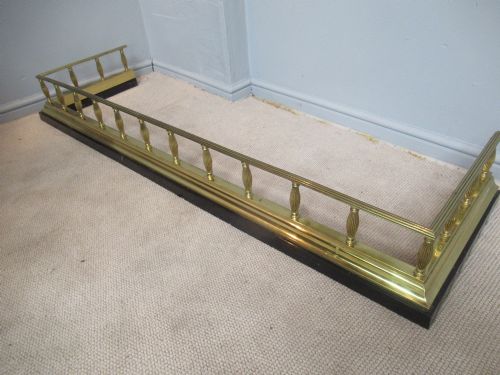
A traditional fire curb protects the room from stray embers while defining the hearth with metal and sometimes leather seating. These items appear in Victorian, Edwardian, and Regency styles, ranging from simple iron guards to elaborate polished brass and copper designs.
Most examples found here date from the nineteenth and early twentieth centuries. Buyers frequently encounter standard brass fenders alongside club fenders featuring upholstered leather seats for fireside warmth.
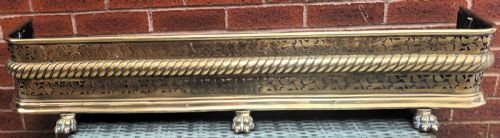
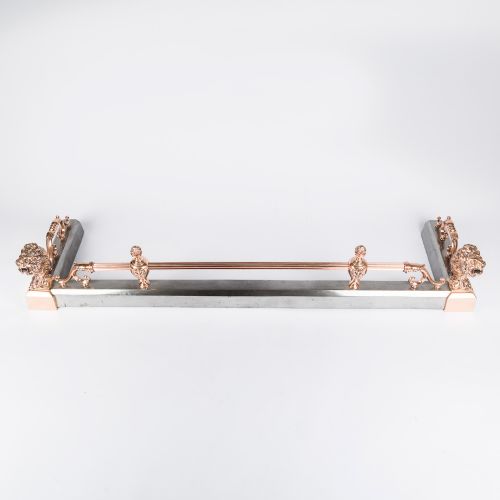
Forms vary from straightforward extending frames to decorative pieces adorned with pierced brass, cast iron scrolls, and lions. Each variant reflects the domestic habits and interior tastes of the Victorian and Edwardian periods.
How they were made
Metalworkers combined heavy cast iron, steel, and brass using techniques like piercing, casting, and polishing. Iron provided structural weight for the base, while brass and copper sheets formed decorative surfaces.
Upholstered club versions incorporated timber frames, typically oak, fitted with leather seats supported by metal spindles. Artisans finished these pieces with detailed scrolling, garlands, and pierced floral patterns.
Traditional Fire Curb Retail Price Guide 2026
Typical asking prices for traditional fire curb among the pieces listed under this phrase on Sellingantiques today, from the lower quarter to the upper quarter. They describe what is for sale here now, not the wider market.
Design styles span the Victorian, Edwardian, and Regency periods, including Neoclassical and Art Deco influences.
What varies in quality
The weight of the metal gauge and the crispness of the casting set finer examples apart from standard utility items. Heavy brass and thick iron indicate robust construction designed for daily domestic use.
Detailing in the piercing, the quality of the brass polishing, and the integration of leather upholstery determine the distinction between ordinary hearth guards and grander decorative statements.
The Traditional Fire Curb Glossary
- Club fender
- A low fireside guard featuring upholstered leather top rails designed for sitting. These fixtures became popular in gentlemen's clubs and large country houses.
- Pierced brass
- Metal sheeting perforated with decorative patterns such as scrolls and flowers. This technique lightens the visual weight of heavy brass guards.
- Extending fender
- A hearth guard constructed with adjustable sections to fit varying fireplace openings. This design allowed homeowners to adapt the hardware during interior alterations.
- Cast iron
- Iron poured into moulds to create rigid structural frames and ornamental details. The material provides a dark, heavy base for mixed-metal fenders.
Traditional Fire Curb: Frequently Asked Questions
How do I measure for a fire curb?
Measure the width and depth of the hearth space where the guard will sit, ensuring clearance for the fire opening.
Account for any protruding hearth stones so the metal or leather frame rests securely on the floor.
Can I sit on a club fender?
Club fenders with leather top rails are specifically built to support sitting by the fire.
Check the internal frame construction to ensure the timber and spindles remain stable before regular use.
How do I clean polished brass?
Use a soft cloth and a gentle metal cleaner formulated for brass to maintain the bright finish.
Avoid harsh abrasives that can wear away the top layer of historical metalwork over time.
What is the difference between a fender and a curb?
The terms are often used interchangeably to describe metal guards that surround the hearth area.
Traditionally, a curb specifically refers to the raised border containing the ashes and fire equipment.