



Antique Fireplace Furniture
Antique fireplace furniture spans the practical and decorative accessories that lived around the hearth, from heavy brass footmen to rosewood pole screens.
Antique Fireplace Furniture
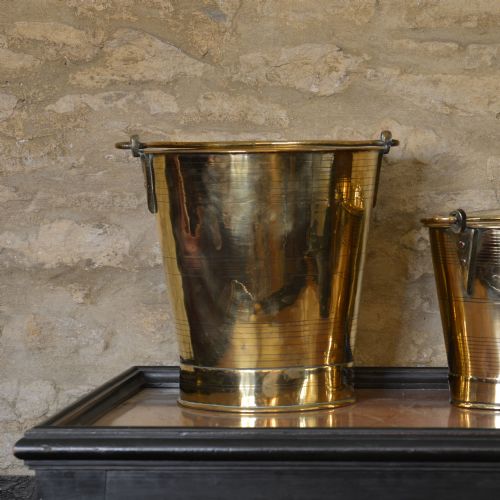
The most common items met on this page are pole screens, footmen, and andirons alongside coal scuttles and fire surrounds. Materials such as brass, steel, rosewood and tapestry recur across the listings, showing the utilitarian yet ornate nature of period firesides.
Objects range from simple steel footmen dating to the mid nineteenth century to grand George III giltwood fire screens and monumental bronze andirons. Each piece reflects the domestic priorities of its era, balancing heat management with interior decoration.
Materials and construction methods
Metals form the core of structural fireplace accessories, with brass, steel, iron and copper dominating items like andirons, footmen and coal scuttles. Blacksmiths and foundry workers cast, forged and polished these metals to withstand intense hearth heat while providing decorative shine.
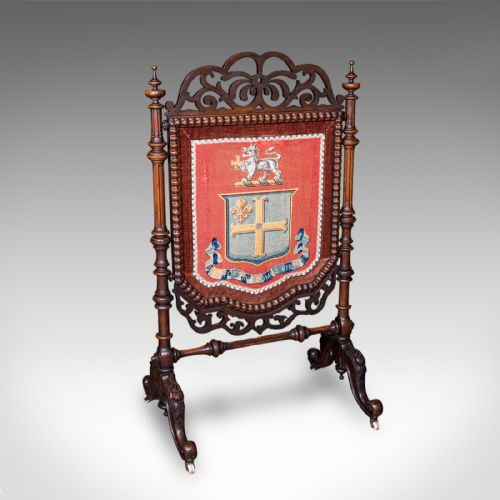
Timbers such as rosewood, walnut, oak and mahogany provide the frames for pole screens and coal boxes, often featuring intricate carving, inlay or gilding. Needlepoint, wool and tapestry panels are integrated into wooden frames to create movable shields against the fire's direct heat.
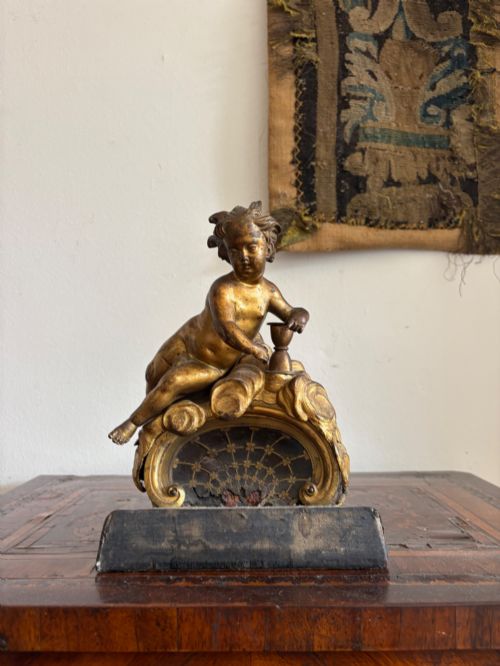
Finishes vary from gilded bronze ormolu mounts to painted wooden log bins and slate models, demonstrating a high level of craftsmanship across both utilitarian vessels and ornamental furniture.
Listings feature items spanning the eighteenth, nineteenth and early twentieth centuries, constructed from brass, rosewood, oak, steel and iron.
Distinguishing quality in hearth pieces
Quality in antique fireplace furniture rests on the weight of the metal, the crispness of the casting, and the integrity of the timber. Heavier brass and bronze andirons display sharper detail in their figural mounts and greater structural stability than lighter counterparts.
In textile and wooden items like pole screens and coal boxes, the refinement of the needlework panel and the richness of the rosewood or mahogany define the upper tier. Superior pieces retain original mounts, stable tripod bases, and uncompromised joinery.
The Antique Fireplace Furniture Glossary
- Footman
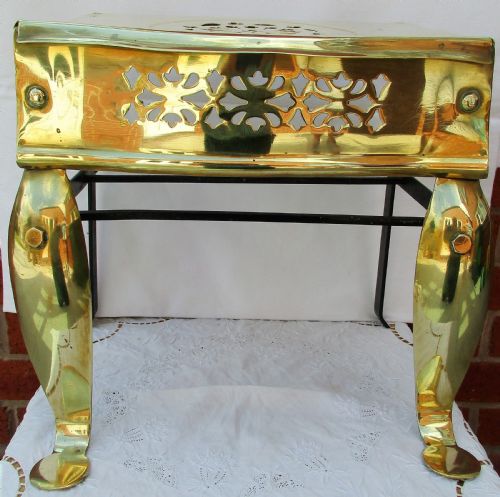
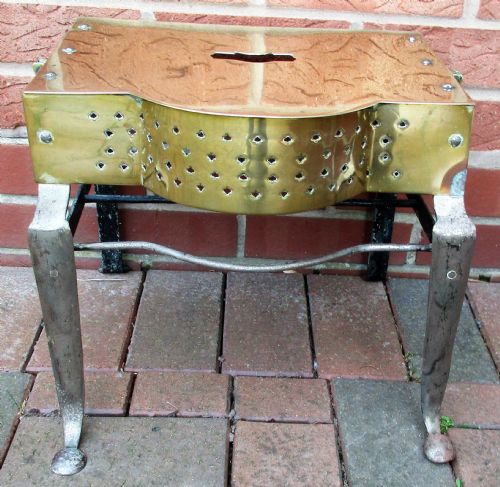
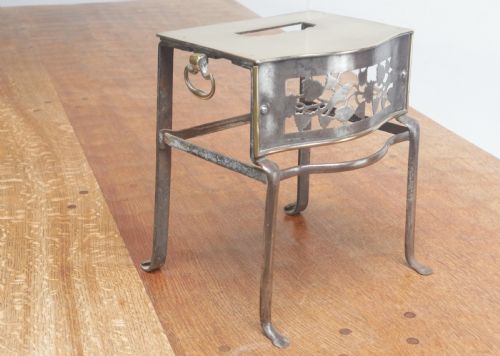
- A metal stand placed beside or in front of the hearth to keep food or plates warm. These are typically constructed from brass and steel.
- Andirons
- Also known as fire dogs, these horizontal iron or brass bars support burning logs in an open fireplace. They often feature decorative front mounts.
- Pole Screen
- A vertical screen mounted on a freestanding wooden pole with a tripod base, designed to be adjusted to shield a person's face from the fire's heat.
- Coal Box
- A specialised wooden or metal container designed to store coal near the fireplace, frequently featuring brass mounts or inlaid rosewood.
- Overmantel Mirror
- A large mirror designed to hang on the wall directly above the fireplace mantelpiece. These often reflect light and decorative elements around the room.
Antique Fireplace Furniture: Frequently Asked Questions
What is an antique footman used for?
A footman is a metal stand placed near the fire to keep dishes warm during meals.
They were commonly made of brass and steel, featuring short legs designed to sit close to the hearth.
How do I identify a pole screen?
A pole screen consists of a vertical wooden shaft on a tripod base holding an adjustable needlework panel.
Victorians and Georgians used them to protect their faces from the direct heat of open fires.
What materials were used for andirons?
Andirons were primarily cast or forged from brass, iron, bronze and steel to withstand high temperatures.
Finer examples feature decorative mounts, gilt surfaces or figural ornaments.
Where do coal boxes sit in a room?
Coal boxes were kept beside the fireplace to store fuel conveniently for the hearth.
Period pieces often utilised rosewood, oak or copper with brass mounts to blend practical storage with refined interior decoration.