





Brass Hearth Trivet
A brass hearth trivet stands ready by the grate to warm water and keep plates hot beside an open fire.
Brass Hearth Trivet
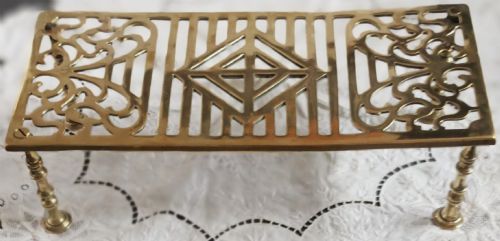
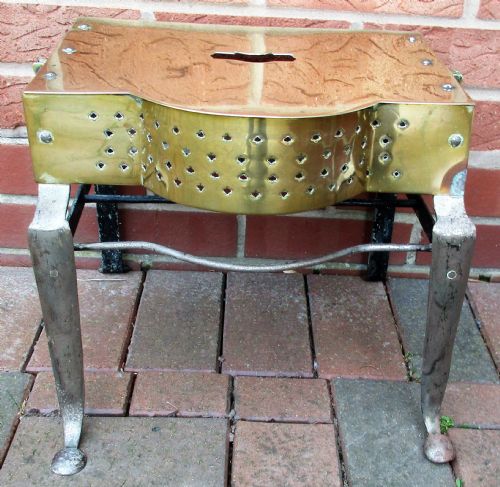
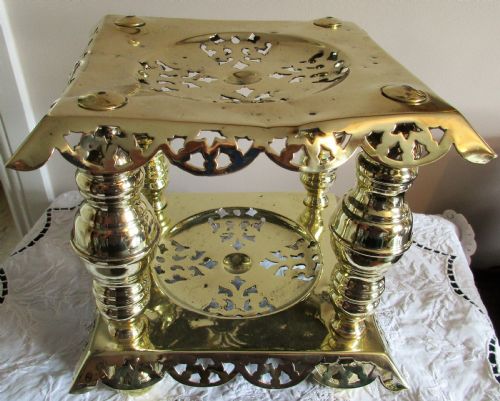
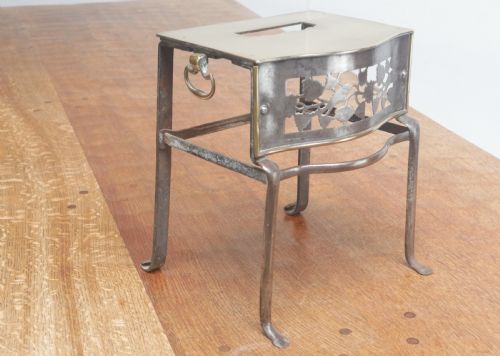
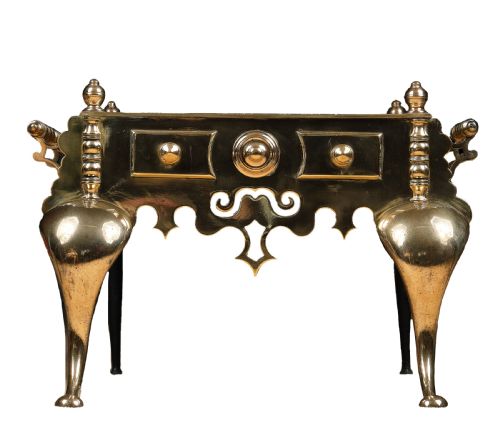
A brass hearth trivet serves as a sturdy fireplace accessory designed to hold kettles or plates close to the warmth of the fire. You will frequently encounter Georgian and Victorian examples across these listings, alongside related forms like footmen and kettle stands.
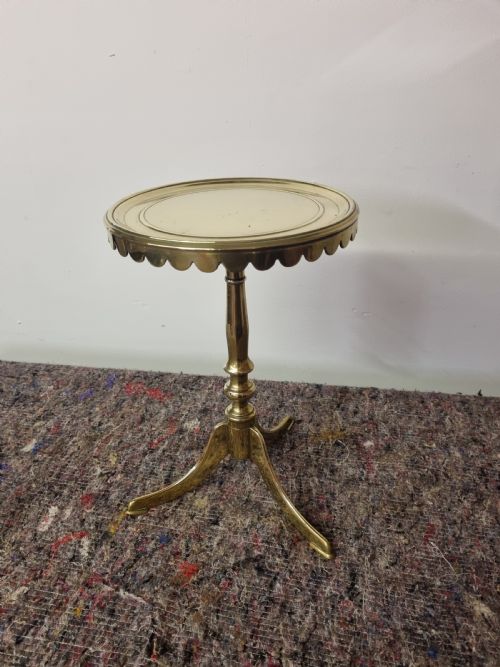
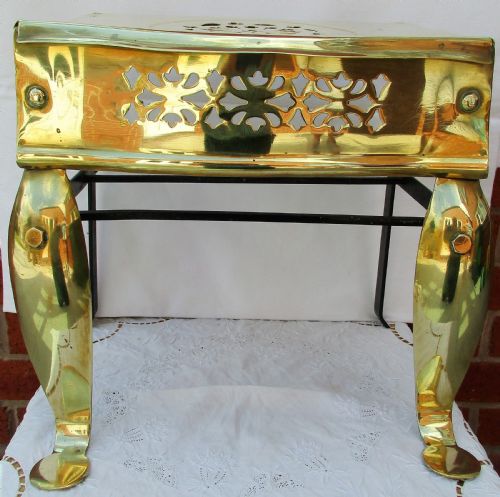
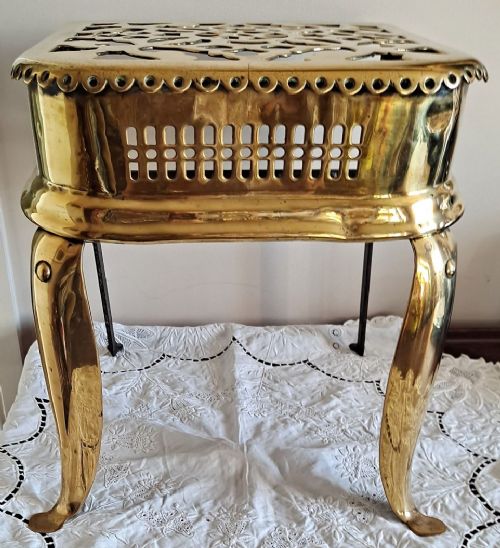
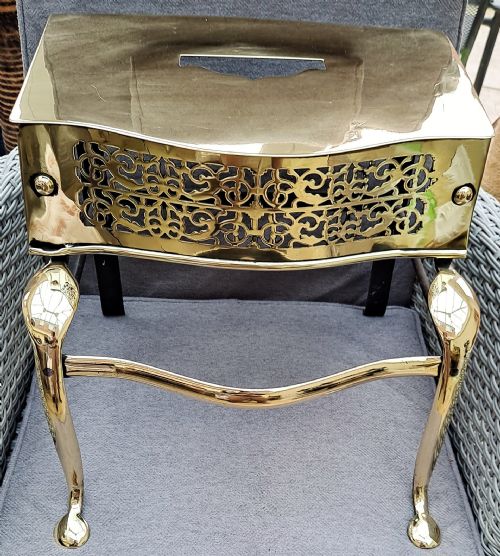
Many pieces combine yellow brass tops with iron or steel legs, while others rely entirely on cast brass construction. Forms range from traditional Dutch pear shaped kettles and trivets to substantial footman stools fitted with cabriole legs.
Origins stretch across English workshops and Welsh firesides, reflecting domestic routines from the eighteenth century into the Edwardian era. These items functioned as practical kitchen and parlour equipment before finding a second life as decorative antiques.
How they were made
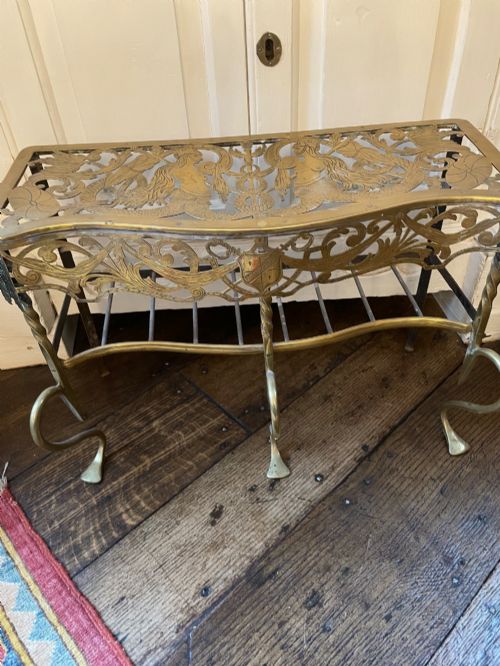
Maker workshops utilised heavy cast brass for tops, plates and pierced aprons, applying hand-finished detailing to create decorative patterns. Iron and wrought iron components provided structural strength for legs and stretchers that endured intense hearth heat.
Individual parts were often joined with rivets or threaded fasteners, combining durable steel frames with polished brass surfaces. Wood occasionally appeared in handles or specific support details, though metal remained the primary medium for everyday fireside use.
Brass Hearth Trivet Retail Price Guide 2026
Typical asking prices for brass hearth trivet among the pieces listed under this phrase on Sellingantiques today, from the lower quarter to the upper quarter. They describe what is for sale here now, not the wider market.
Some models feature steps so your kettle can climb the social ladder of the hearth.
What varies in quality
The distinction between standard domestic items and superior examples lies in the crispness of the casting and the thickness of the brass sheet. Pierced aprons with deeply cut, intricate motifs demonstrate a higher standard of workmanship than plain or thinly cast alternatives.
Proportion and stability determine the success of the design, particularly in footmen where cabriole legs and iron frames must align cleanly. Retaining the original steel supports alongside the brass top elevates the integrity of the piece.
The Brass Hearth Trivet Glossary
- Footman
- A metal stand with four legs placed in front of a fireplace to hold dishes or kettles. These sturdy items formed a standard part of eighteenth and nineteenth-century hearth equipment.
- Trivet
- A small three or four-legged support used for heating vessels near a fire. They appear in numerous heights and configurations across Georgian and Victorian interiors.
- Pierced
- A technique of cutting decorative patterns through sheet metal. This openwork allows heat to circulate while adding ornamental detail to the apron.
- Cabriole leg
- A furniture leg that curves outward and then bends inward toward the foot. This classic shape frequently supports eighteenth-century footman stools.
- Inglenook
- A recess built around a fireplace for sitting. Footmen and trivets were specifically sized to sit comfortably within these deep hearth spaces.
Brass Hearth Trivet: Frequently Asked Questions
How were brass hearth trivets used?
These items stood directly in front of an open fire to heat water in kettles or keep cooked food warm on plates. Servants and household members relied on them for efficient kitchen and parlour management.
Over time, their practical role shifted as modern heating arrived, turning them into decorative accessories that anchor traditional fireplace displays.
What is a footman?
A footman is a larger metal stand, often featuring brass tops and iron or steel legs, designed to sit close to the hearth. They provide a stable surface for heavier pots and serving dishes.
They share similarities with smaller trivets but typically offer more substantial framing and distinct leg styles such as cabriole supports.
How do I tell Georgian from Victorian pieces?
Georgian pieces often display simpler, robust construction with heavy cast brass and hand-finished details dating from the eighteenth century. Victorian examples frequently introduce more elaborate piercing, two-tier designs, and varied manufacturing methods.
Examining the metal thickness, wear patterns, and fastener types helps clarify the likely period of manufacture.
Can I use an antique trivet by a working fire?
Many of these pieces were built from durable brass and iron to withstand intense daily heat from coal or wood fires. However, modern users often prefer to place them in hearths for decorative display rather than heavy daily service.
Regular polishing and careful handling protect the historic metal surfaces from unnecessary wear.