



Steel Hearth Footman
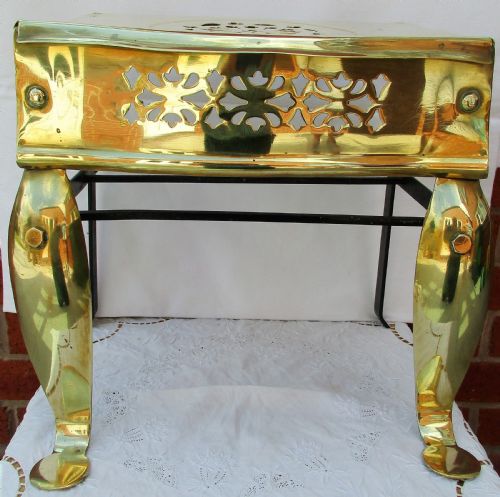
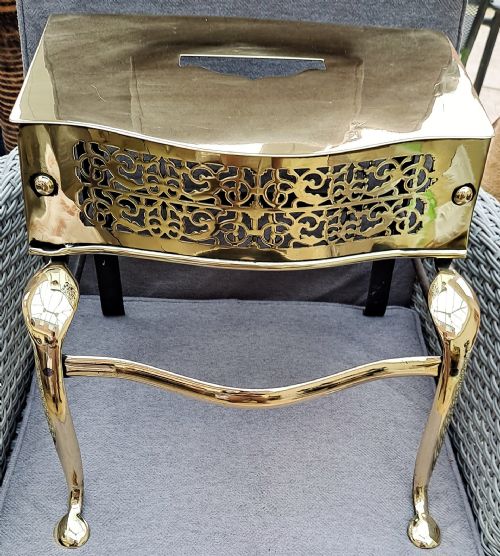
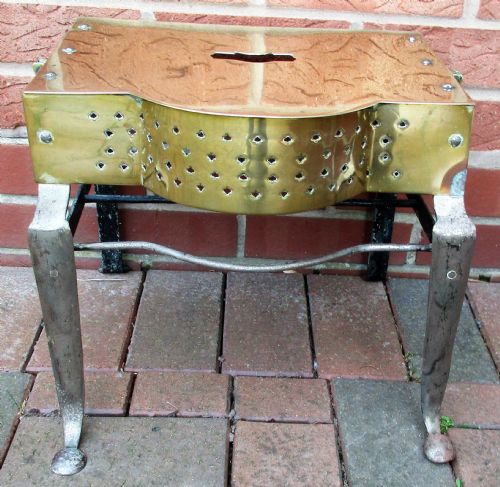
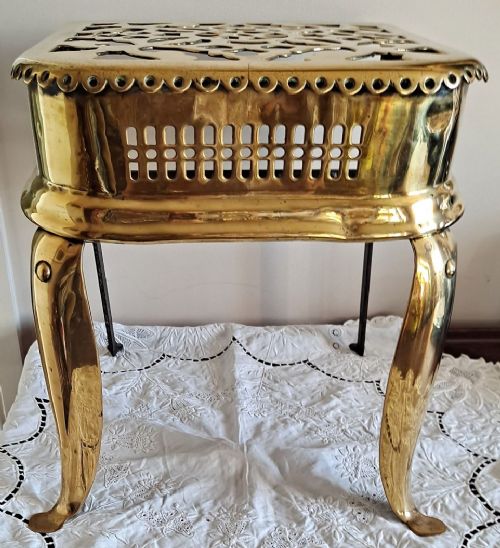
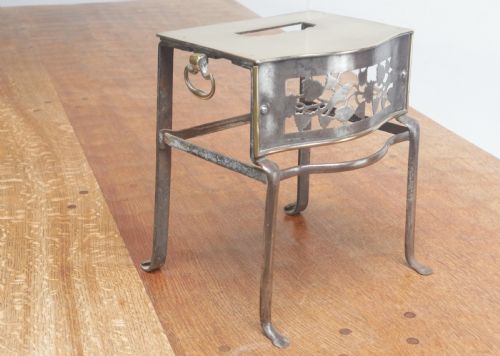
A steel hearth footman is a sturdy fireside stand designed to hold kettles or plates near the coal.
Steel Hearth Footman
A steel hearth footman is a functional fireside accessory designed to sit by the grate and warm water or food. These pieces serve as practical hearth stands within traditional room settings.
Buyers searching for a steel hearth footman will primarily encounter items originating from the eighteenth and nineteenth centuries. English and Welsh examples dominate the available selection.
How they were made
Makers constructed these items using durable metals suited to daily exposure to open fire. Steel provides the main structural body for the top and frame.
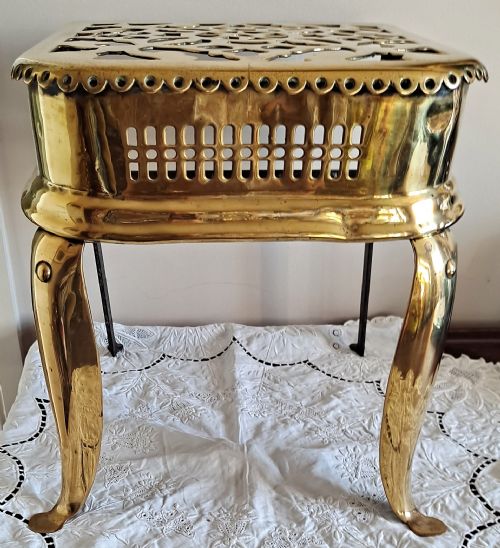
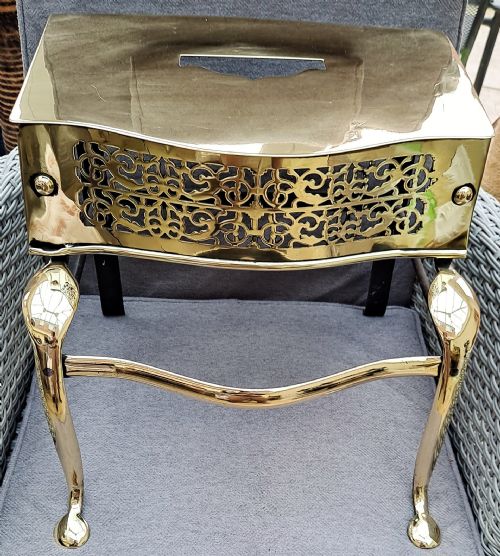
Brass elements frequently appear alongside the steel to form contrasting details such as handles and trim. Iron also contributes to the construction of these robust domestic furnishings.
Even the cat knew to claim the warmest spot right beside the footman.
What varies in quality
Quality rests upon the harmony of the mixed metals and the fineness of the pierced or forged work. Pieces that integrate brass details cleanly into the steel body show superior craftsmanship.
Proportion and scale distinguish standard utility items from finer examples. Smaller pieces or those with refined Georgian lines demonstrate greater attention to design than plain utilitarian versions.
The Steel Hearth Footman Glossary
- Footman
- A low metal stand placed before a fire to keep food or water hot. This historic household implement stands on four legs.
- Trivet
- A small three-legged or four-legged support placed over a hearth fire or table. It holds kettles and dishes safely away from direct heat.
- Georgian
- The period of British design spanning the reigns of the four Georges from seventeen fourteen to eighteen thirty. Furniture and metalwork from this era emphasise classical proportion.
- Victorian
- The period covering the reign of Queen Victoria from eighteen thirty-seven to nineteen oh one. Items from this time often combine robust utility with ornate decorative touches.
Steel Hearth Footman: Frequently Asked Questions
What is a steel hearth footman used for?
A steel hearth footman served as a sturdy stand placed directly in front of the open fireplace. It held kettles, teapots, and dishes close to the coals to keep food and water warm.
In historic kitchens and parlours, these stands made efficient use of the fireside heat. They could be easily lifted by their brass handles and moved as needed.
How do I date a steel footman?
Dating relies on examining the construction materials, overall form, and stylistic markers such as Georgian symmetry or Victorian decoration. Eighteenth-century examples often display simpler, heavier forged lines.
Records show these pieces spanning the eighteenth and nineteenth centuries. Comparing the specific brass and steel components helps narrow down the period of manufacture.
Are brass and steel mixed on these stands?
Many examples combine a steel body with polished brass handles or trim. This dual-metal construction was popular for both visual contrast and durability near the hearth.
The bright brass parts stood out against the darker iron and steel surfaces. This decorative choice remained consistent across both Georgian and Victorian eras.
Where were hearth footmen made?
The available pieces originate primarily from England and Wales. Local blacksmiths and metalworkers produced them for domestic use across British homes.
Regional workshops adapted standard designs to suit local preferences. English and Welsh variations share common forms while reflecting traditional regional metalwork skills.