





Georgian Hearth Furniture
Georgian hearth furniture comprises brass footmen, pole screens and stools that bring functional warmth and period craft to the fireplace.
Georgian Hearth Furniture
Georgian hearth furniture encompasses the iron, brass, steel and wooden accessories gathered around the fireplace to manage heat and fuel. Buyers searching for georgian hearth furniture typically encounter footmen, pole screens, coal scuttles and hearth stools originating from the Georgian, Regency and nineteenth-century periods.
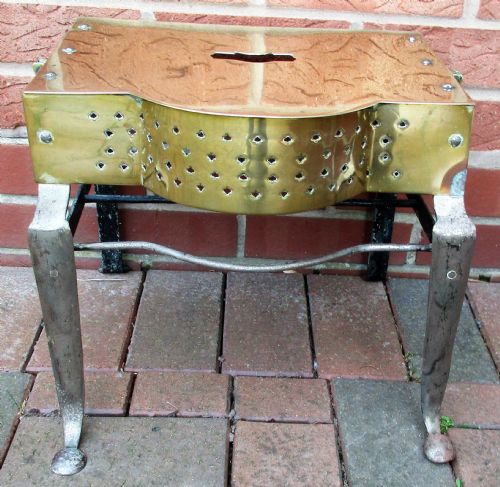
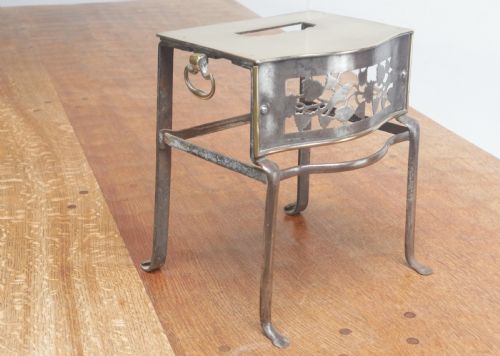
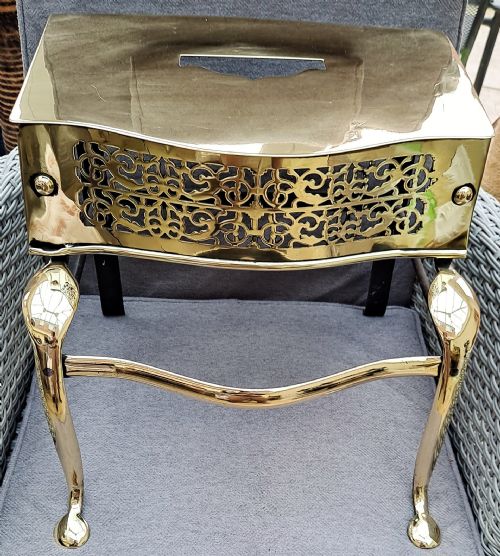
Footmen in brass and steel stand out among the listings, alongside rosewood and giltwood pole screens inset with needlework or glass panels. Stools and coal scuttles complete the grouping, spanning formal George III designs and rustic country workshop interpretations.
How they were made
Metal items rely on heavy brass and steel construction, forged or cast to withstand high fireplace temperatures. Footmen combine steel tops with brass aprons and legs, whilst coal scuttles utilise hammered copper or brass.
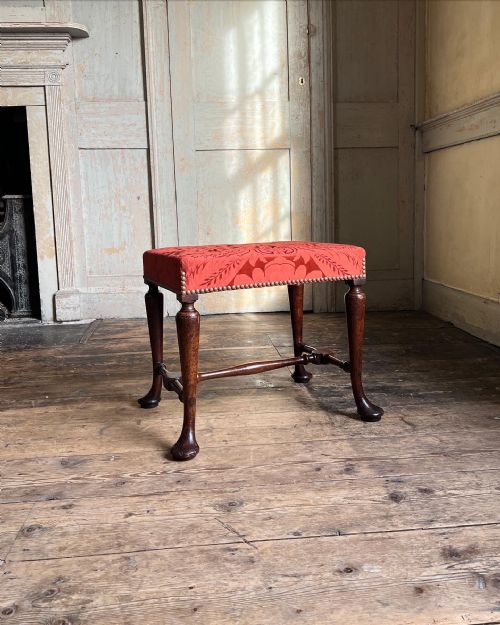
Cabinetmakers constructed wooden frames from rosewood, oak, walnut and giltwood, incorporating textile panels of needlepoint for pole screens and upholstered tops for hearth stools.
Materials span brass, steel, iron, giltwood, rosewood, oak, needlepoint and walnut across the listings.
What varies in quality
Quality rests on the crispness of casting in brass footmen and the precision of joinery in wooden frames. Heavy gauge metals and well-proportioned legs distinguish superior items from simpler utility pieces.
Decorative refinement separates standard examples from finer works, visible in the hand-carved details of giltwood pole screens and the fine stitchwork of needlepoint panels.
The Georgian Hearth Furniture Glossary
- Footman
- A metal stand placed by the hearth to keep food warm or heat water. These typically feature a steel top plate and brass legs.
- Pole screen
- An adjustable vertical screen on a stand designed to shield the face from radiant fireplace heat. They often contain needlework or glass panels.
- Coal scuttle
- A container for holding and transporting coal to the fire. Copper and brass versions frequently take a helmet shape.
- Needlepoint
- A type of canvas work embroidery used for decorative panels. It appears frequently on the inserts of pole screens and the upholstery of stools.
- Giltwood
- Wood carved and coated with a thin layer of gold leaf. This finish denotes formal decorative items from the Georgian and Regency periods.
Georgian Hearth Furniture: Frequently Asked Questions
What is a footman used for?
A footman sits by the open fire to hold kettles or keep plates warm during meals. Its sturdy brass and steel construction handles the direct heat of the hearth.
These pieces served a daily domestic purpose in period homes before closed ranges and central heating changed kitchen layouts.
What are hearth stools?
Hearth stools provide low seating close to the fire for warming or tending to the grate. They are constructed from timbers such as oak, walnut or rosewood.
Their low profile keeps them out of the main room traffic while offering comfortable proximity to the warmth of the hearth.
How do I date these items?
Dating relies on stylistic markers from the Georgian, Regency and nineteenth-century eras. Cabinetmaking techniques and metal casting methods shift noticeably between the early eighteenth century and the Regency period.
Materials such as giltwood, rosewood and heavy brass correspond to specific aesthetic preferences of their respective decades.