




Fireplace Hearth Footman
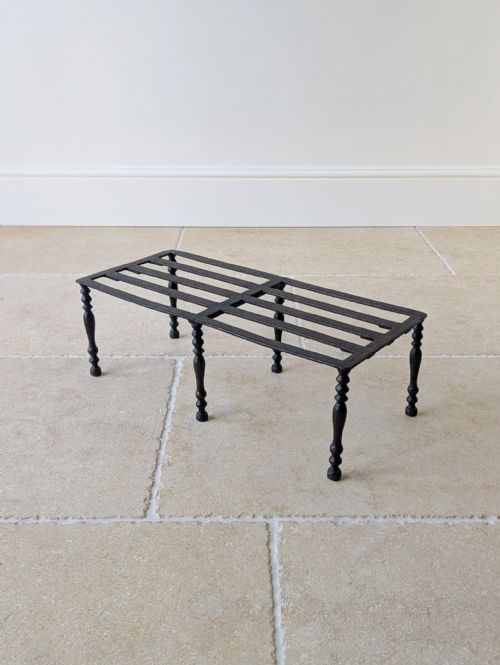
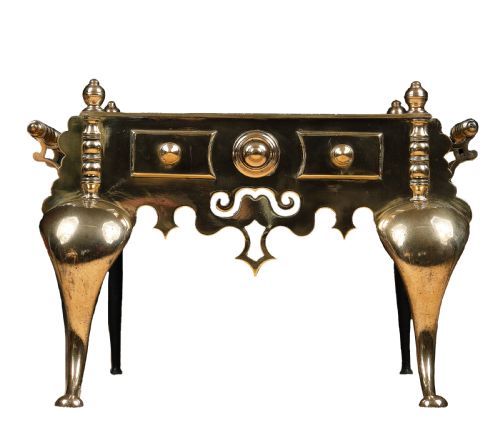
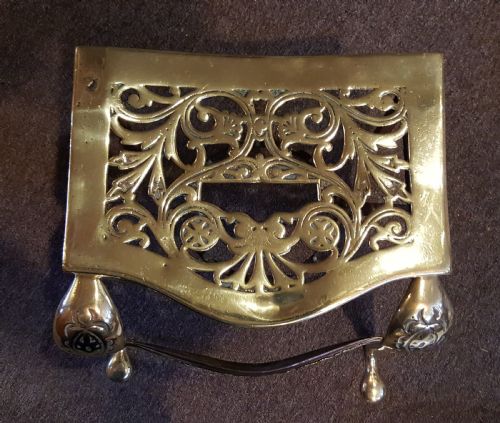
These fireplace hearth footman pieces are practical iron and brass stands designed to warm plates by the hearth.
Fireplace Hearth Footman
A fireplace hearth footman is a traditional fireside accessory used to keep food and plates warm beside the coal or wood fire. When buyers search for this phrase, they find sturdy metal stands dating from the eighteenth and nineteenth centuries.
Originating in British country houses and inglenook fireplaces, these stands served a purely utilitarian role before becoming decorative items for modern interiors. They represent a direct link to historical domestic routines centered around the hearth.
How they were made
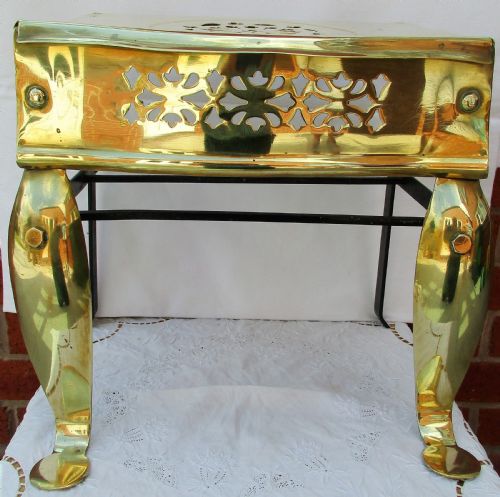
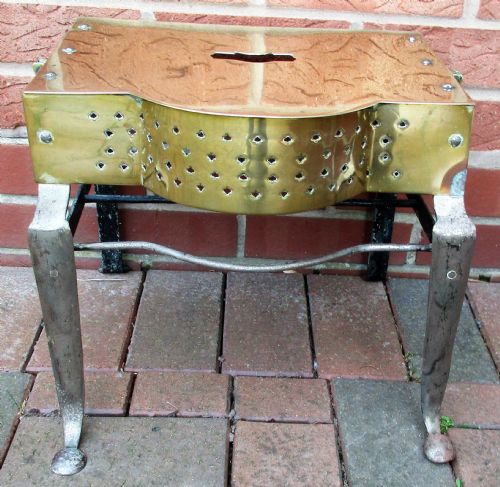
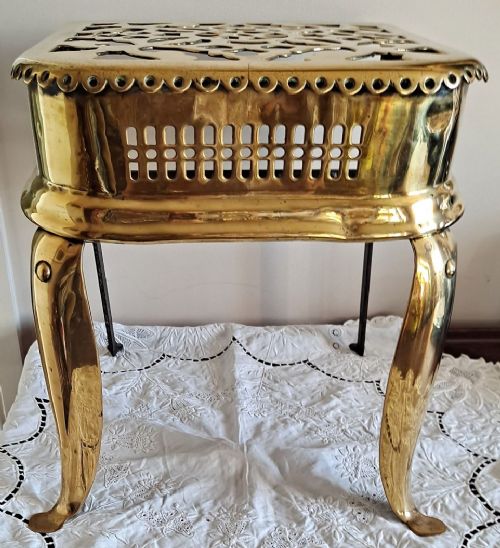
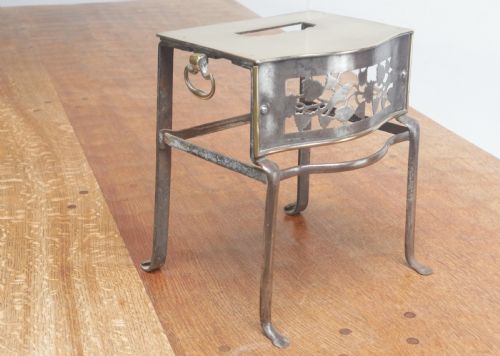
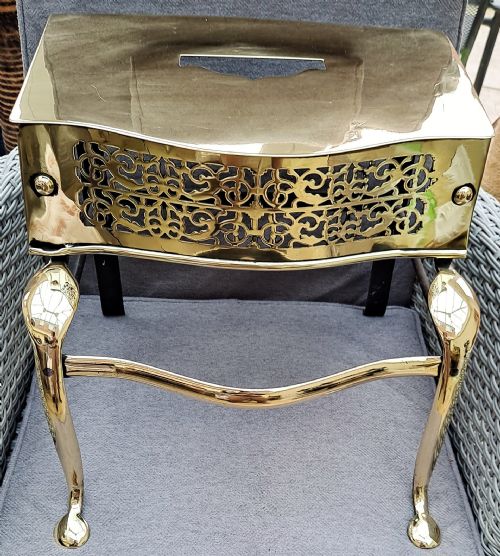
Makers utilised durable metals such as brass, steel, iron, and wrought iron to withstand the intense heat of open fires. Tops are typically sheet brass, beaten or pierced with decorative patterns, while the legs and frames rely on sturdy iron or steel for support.
Construction methods combine blacksmithing and metalworking techniques of the Georgian and Victorian eras, joining wrought iron frames with riveted or brazed brass components. The heavier examples utilise thick plates and robust legs designed to hold heavy serving dishes.
Some heavy footmen were built so solidly they doubled as short stools for weary servants resting by the fire.
What varies in quality
Quality in a fireplace hearth footman rests on the heaviness of the materials and the crispness of any pierced brass work on the top plate. Superior pieces show substantial weight in the brass and steel, indicating a sturdy construction intended for genuine daily use.
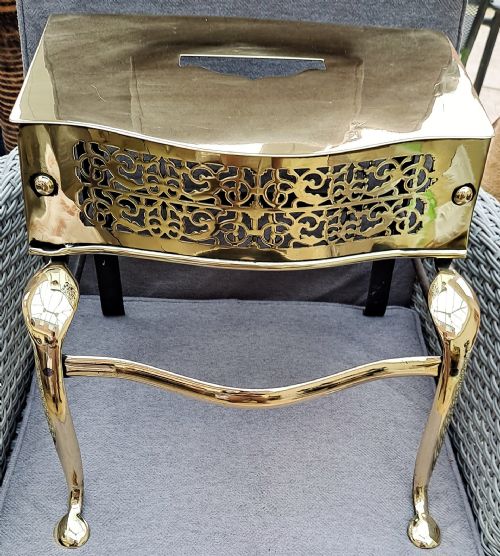
The refinement of the legs also distinguishes the range, moving from plain functional iron supports to finely shaped cabriole legs that elevate the piece from simple utility to decorative craftsmanship.
The Fireplace Hearth Footman Glossary
- Trivet
- A small metal support used interchangeably with footmen for holding kettles or dishes near the fire. They share similar brass and iron construction.
- Inglenook
- A large recessed fireplace space where these heavy brass and iron footman stands were traditionally placed. They provided a convenient warming surface close to the heat.
- Cabriole leg
- A curved furniture leg inspired by animal limbs, found on select finer footman stools in this selection. It bends outward and then tapers inward to a pad or foot.
Fireplace Hearth Footman: Frequently Asked Questions
What is a fireplace hearth footman?
A fireplace hearth footman is a metal stand used historically to hold plates and food near the fire for warming. These pieces date from the eighteenth and nineteenth centuries.
Most examples combine a brass top with iron or steel legs, designed to sit directly on the hearth or inside an inglenook fireplace.
How were they used by the fire?
Servants placed these stands close to the burning coals to keep meals warm before serving them to the dining room. The metal construction absorbed and radiated the heat effectively.
They could also support small kettles or pots for boiling water or heating liquids directly beside the hearth.
How do I style a footman at home?
These metal stands fit well beside period fireplaces, either left bare or used to display decorative items like vintage ceramics. Their brass and iron surfaces add texture to a hearth.
Due to their compact size, they also function as small occasional stands in traditional living spaces.
How do I tell Georgian and Victorian pieces apart?
Georgian examples often display simpler, heavier wrought iron frames and restrained brasswork from the eighteenth century. They frequently reflect a country-house utilitarian aesthetic.
Victorian pieces tend to show more varied piercing patterns on the brass top and sometimes incorporate more ornate leg designs.