





Georgian Fireplace Footman
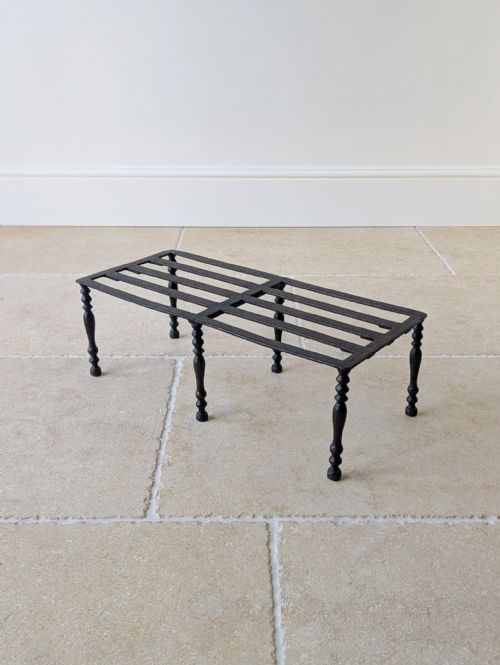
A georgian fireplace footman is a heavy metal stand for the hearth that holds a kettle or keeps a plate warm beside the flames.
Georgian Fireplace Footman
A georgian fireplace footman is a hearth accessory designed to stand directly in front of the fire or over glowing embers. These items served a practical purpose in country houses and town residences for boiling water or heating food.
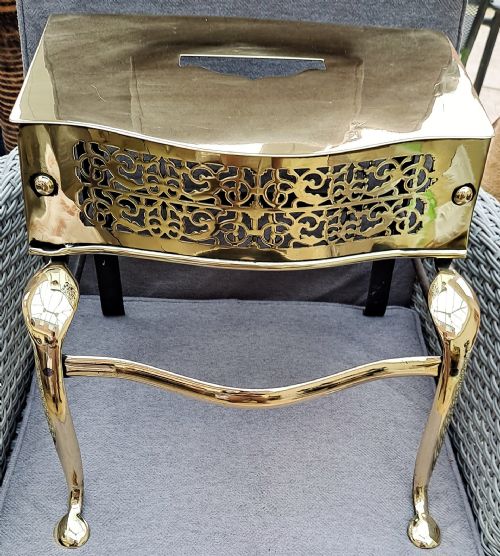
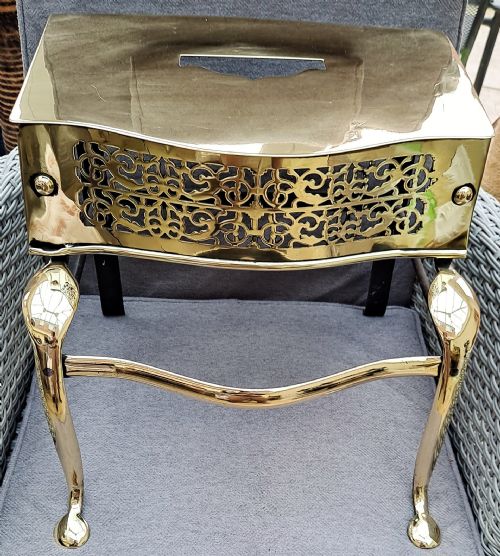
Most examples you encounter on this page date from the eighteenth and nineteenth centuries, including pieces from the Georgian and Regency eras. Forms range from simple iron stands to more refined brass and steel designs with cabriole legs.
Makers produced these stands in various dimensions, from small trivets to heavy porter footman stools. They appear alongside related fireside furniture and hearthware in brass, iron, and wrought iron.
Materials and construction
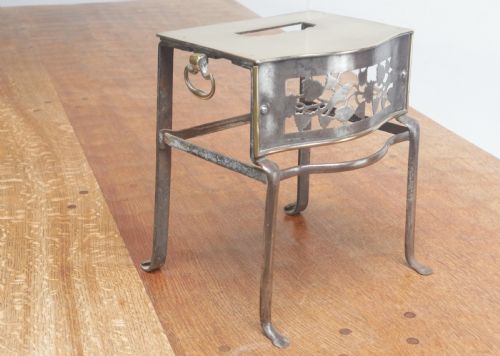
Makers relied on durable metals such as brass, iron, steel, and wrought iron to withstand intense hearth heat. Brass surfaces provided a bright appearance against the coal fire, while iron and steel formed the robust internal structure.
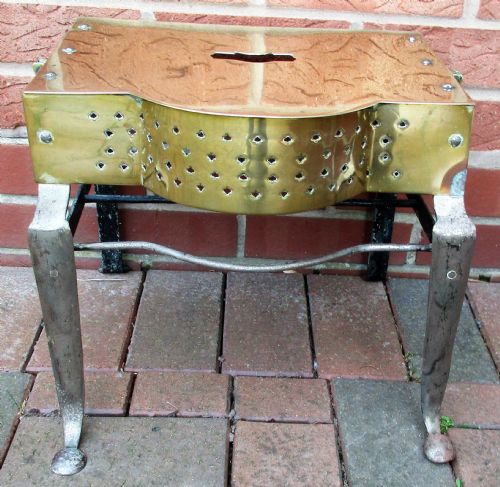
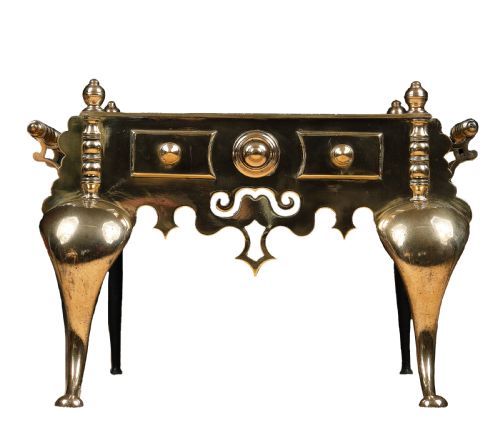
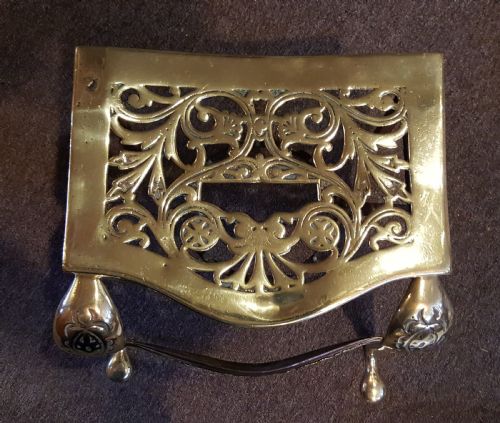
Construction involved shaping heavy sheet metal and forging bars to create flat tops and sturdy legs. Many pieces combine a polished brass apron with steel supports or incorporate cast cabriole legs.
Listings on this page span the Georgian, Regency, and Victorian periods, featuring works in brass, iron, steel, and wrought iron.
Judging quality
Quality rests in the weight of the metal and the crispness of the shaping. Substantial cast or forged components separate heavy utilitarian footmen from lighter standard productions.
The combination of materials also indicates quality, particularly where polished brass is paired with robust steel framing. Well-formed legs and clean joinery distinguish the superior examples.
The Georgian Fireplace Footman Glossary
- Trivet
- A small three-or-four-legged support used for similar kitchen and fireside heating tasks. It shares much of the same form as a footman.
- Hearthware
- A collective term for metal accessories used around the fireplace, including stands, pokers, and fenders. These items were essential to the operation of coal and wood fires.
- Cabriole leg
- A curved furniture leg that bends outward and then tapers inward. This shape appears on select footman stools in the evidence.
Georgian Fireplace Footman: Frequently Asked Questions
What is a fireplace footman?
A fireplace footman is a metal stand placed on the hearth near the fire. It supported kettles or kept food warm before domestic ranges became common.
These pieces were standard kitchen and parlour equipment in large houses. They stood directly in the heat of the fire.
How were footmen used?
Households used footmen to boil water for tea or to warm plates near the flames. The elevated platform kept vessels safely above the ash.
They could be moved around the hearth depending on the strength of the fire. Their sturdy metal construction handled heavy iron kettles with ease.
What metals are they made from?
Makers constructed footmen from brass, iron, steel, and wrought iron. Brass was often used for the decorative front plate.
Iron and steel provided the structural strength needed to bear heavy vessels. Combinations of brass and steel appear frequently in the evidence.
How do I date a footman?
Dating relies on the style of the legs, the choice of metals, and manufacturing marks. Pieces span the Georgian, Regency, and Victorian periods.
Earlier examples often feature hand-forged wrought iron, while later nineteenth-century pieces display different casting techniques. Comparing the form to dated furniture helps confirm the era.