


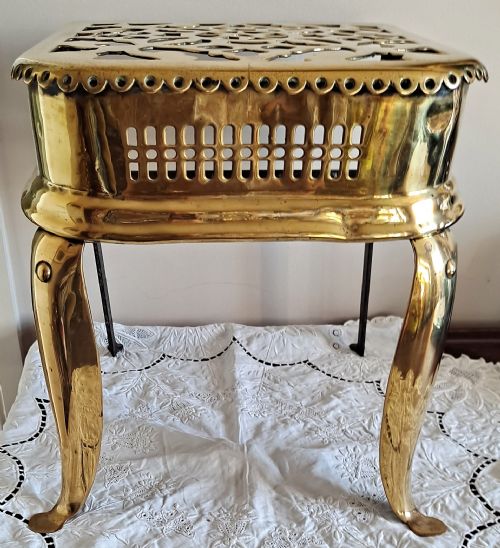
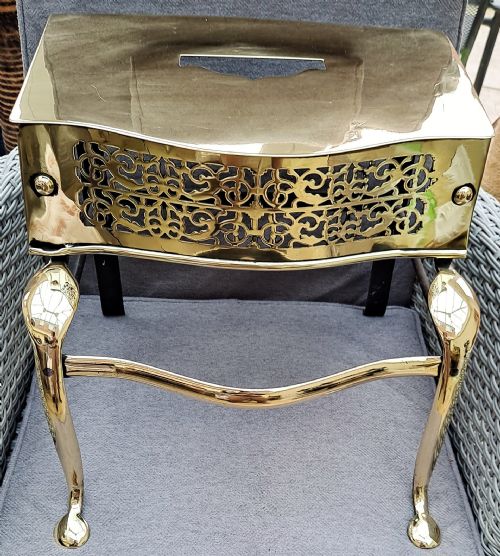

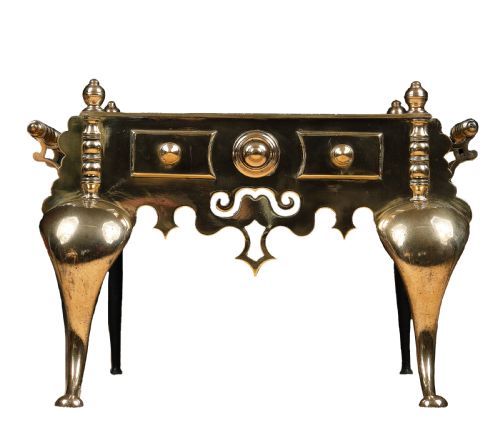


Vintage Brass Hearth Trivet
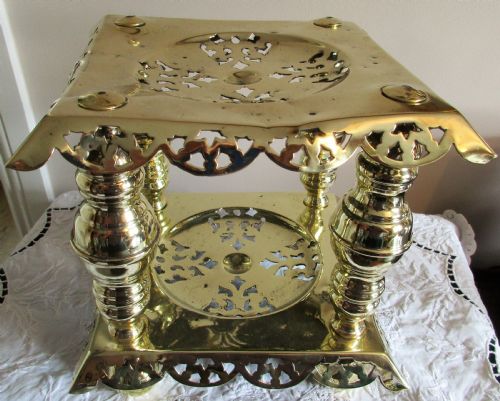
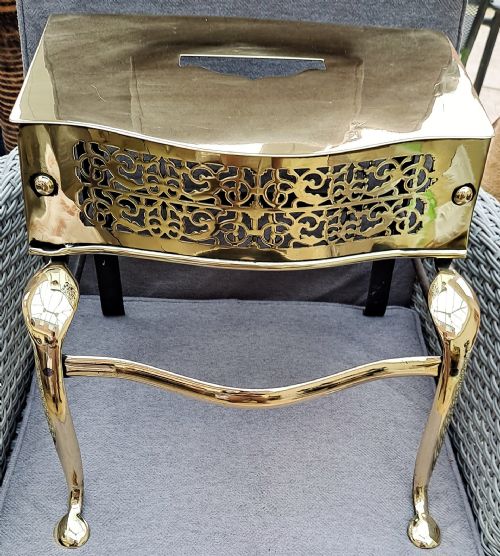
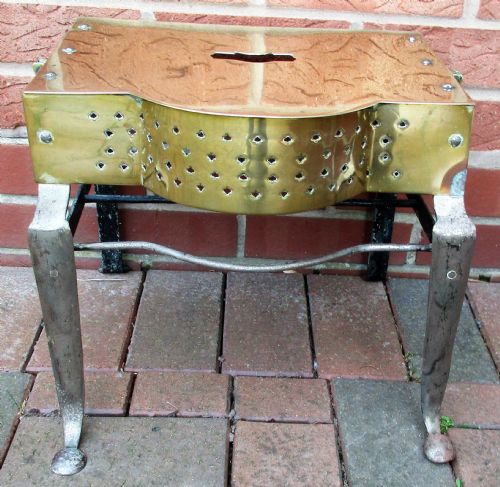
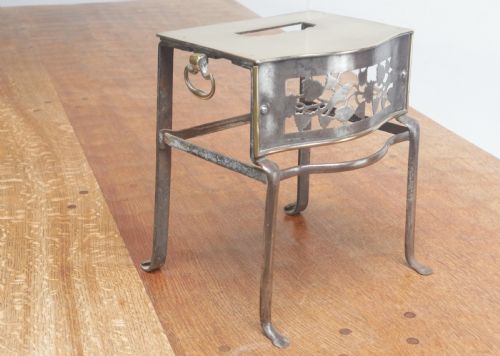
These vintage brass hearth trivet pieces are dependable fireside accessories designed to warm kettles, appearing here in Georgian, Victorian, and Edwardian forms.
Vintage Brass Hearth Trivet
A vintage brass hearth trivet stands beside the fireplace to support kettles and warm pots near the coal or wood fire. Buyers searching for a vintage brass hearth trivet typically encounter sturdy stands, footmen, and kettle supports fashioned from brass, steel, and iron.
The selections span multiple eras, featuring Georgian and Victorian pieces alongside Edwardian designs and Regency examples. These accessories range from simple two-tier stands to heavy footmen intended for large inglenook fireplaces.
Origin details in the evidence include English and Welsh pieces, alongside traditional Dutch pear-shaped kettle and trivet combinations. Such hearth furniture served a practical domestic purpose in older kitchens and parlours before modern heating took over.
How they were made
Construction relies upon a combination of brass and steel or wrought iron, providing the necessary weight and heat resistance for open hearth use. Makers utilised sheet brass for plates and tops, paired with forged iron or steel legs to bear heavy Kettles.
Many examples incorporate wood handles or accents alongside metal frames, particularly on kettle stands and footmen. The construction reflects utilitarian metalworking methods typical of eighteenth and nineteenth century workshops.
Dutch pear-shaped kettle and trivet sets brought distinct fruit-inspired silhouettes to the hearth, proving that even a kettle stand could harbour an appetite.
What varies in quality
Substantial gauge metal and heavy construction distinguish the finest pieces from lighter, more purely decorative later versions. The integrity of the joints where brass tops meet iron or steel frames determines the durability and historical authenticity.
Detailing in pierced brass tops and the presence of maker adjustments or distinct regional forms, such as Welsh or traditional Dutch styling, elevate the standing of individual items.
The Vintage Brass Hearth Trivet Glossary
- Footman
- A metal stand placed in front of a fireplace to keep food or kettles warm. These stands usually feature four legs and a flat top plate.
- Inglenook
- A large recessed space around a fireplace designed for seating or warming. Footmen used in these spaces often featured heavy construction to handle large vessels.
- Trivet
- A three-legged or multi-tiered support elevated above the hearth floor. They hold kettles, teapots, and warming pans close to the embers.
- Tier
- A stacked level on a stand allowing multiple items to sit at different heights. Two-tier trivets provide extra surface area for fireside utility.
Vintage Brass Hearth Trivet: Frequently Asked Questions
What is a hearth trivet used for?
These metal stands sat near the open fire to keep kettles, pots, and food warm for household use. They elevated vessels off the hearth floor so they stayed close to the heat without blocking the grate.
Over time, as kitchen arrangements changed, these stands transitioned from active cooking tools into decorative fireside furnishings.
How do I date a brass trivet?
Dating relies on observing the combination of materials, such as iron frames paired with brass plates, and stylistic cues from the Georgian or Victorian periods. Hand-forged components and construction marks often point to earlier manufacturing dates.
Later Edwardian pieces tend to show standardised machine production methods and lighter overall weights compared to eighteenth-century examples.
What is a footman?
A footman is a specific type of large fireside stand featuring sturdy legs and a flat top plate designed for heavy duty warming tasks. They were common accessories in large fireplaces and inglenooks.
Unlike smaller tea trivets, footmen provided a broad surface capable of supporting substantial iron or copper vessels.
Are these trivets safe to use?
Most pieces are robustly made from brass, steel, and iron, making them physically capable of supporting weight near modern hearths. However, historical items often show age-related wear that owners must consider before placing heavy pots upon them.
Many collectors prefer to display these items as decorative period pieces rather than subjecting them to daily heat exposure.