

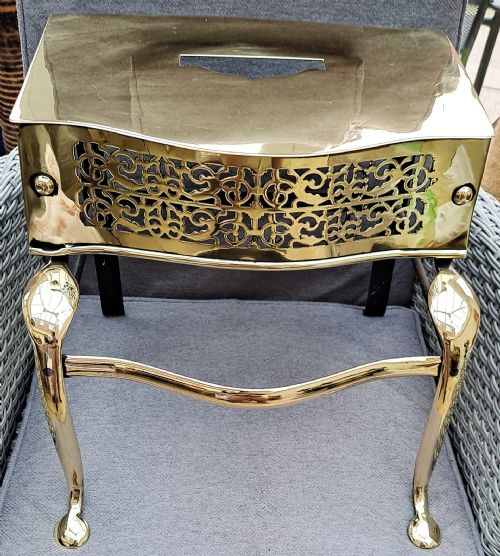


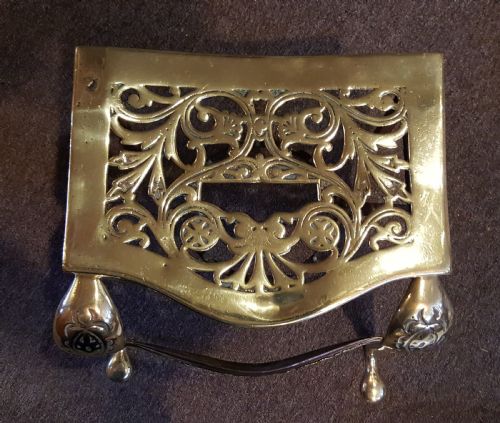

Georgian Brass Footman
A georgian brass footman is a sturdy hearth accessory that keeps kettles warm by the fire.
Georgian Brass Footman
A georgian brass footman is a traditional hearth accessory designed to stand close to the fire for warming food and kettles. These pieces typically combine brass with iron or steel frames to handle the heat of the open grate.
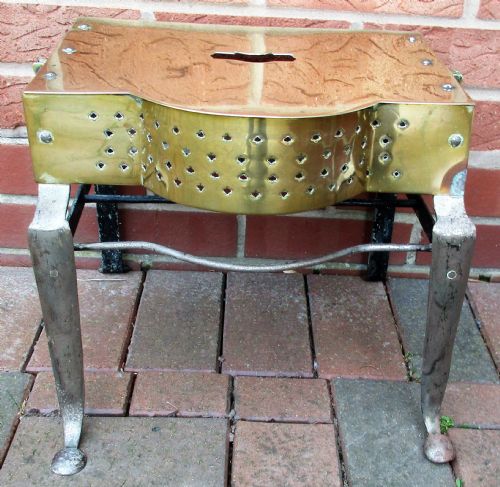
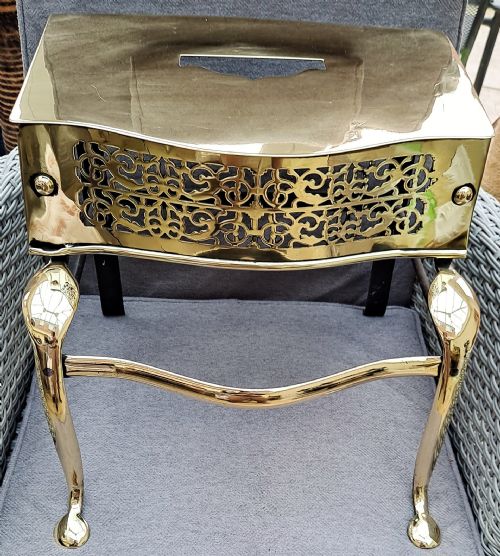
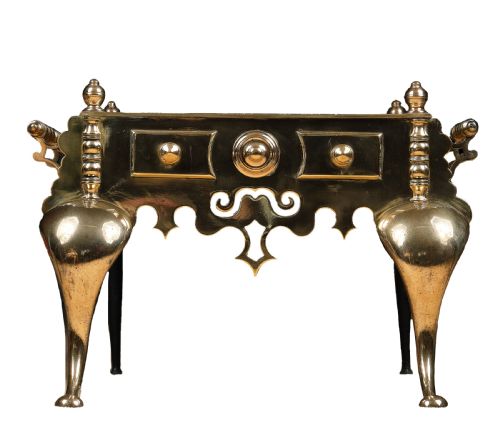
Most examples found here date from the Georgian and nineteenth-century periods, showing regional variations such as Welsh fireside pieces. They appear in forms ranging from standard footman stools with cabriole legs to pierced brass variations.
How they were made
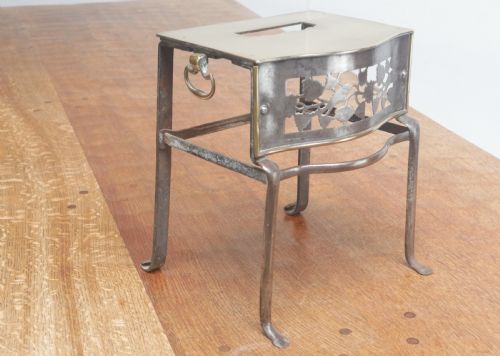
Makers built these pieces using durable combinations of brass, iron and steel, ensuring they could withstand heavy daily use by the hearth. Pierced brass plates formed the tops, allowing heat to circulate while providing a decorative surface.
Support came from sturdy legs, including cabriole styles, fastened to iron and steel subframes that held the weight of pots and kettles.
Georgian Brass Footman Retail Price Guide 2026
Typical asking prices for georgian brass footman among the pieces listed under this phrase on Sellingantiques today, from the lower quarter to the upper quarter. They describe what is for sale here now, not the wider market.
Listings span the Georgian and nineteenth-century periods, utilising brass, iron and steel in various hearth accessory forms.
What varies in quality
The sophistication of the top plate separates standard items from finer examples, particularly where detailed piercing creates intricate patterns. Metal selection also matters, as heavier brass castings and robust iron frames indicate better initial manufacture.
Proportion and leg form influence the overall character, with shapely cabriole supports reflecting more careful design than plain uprights. The integrity of the joinery between the brass top and the steel substructure determines how well the piece survives heat and weight.
The Georgian Brass Footman Glossary
- Footman
- A metal stand placed by a fireplace to hold kettles or dishes near the flames. This traditional hearth accessory dates back centuries.
- Cabriole leg
- A furniture leg that curves outward and then tapers inward, ending in a neat foot. This shape appears on select footman stools.
- Pierced brass
- Metal sheeting punched or cut with decorative patterns to let heat pass through. It forms the decorative top of many traditional trivets.
- Trivet
- A small support or stool used to elevate cooking vessels above a heat source. These hearth accessories sit directly near the grate.
- Hearth accessory
- Any portable item used around an open fireplace for functional tasks. These objects include footmen, trivets and fire irons.
Georgian Brass Footman: Frequently Asked Questions
What is a footman used for?
A footman stands by the fireplace to hold kettles, teapots or dishes close to the heat. It served as a practical warming surface in rooms before modern kitchen ranges.
People placed these metal stands right in front of the hearth fire. They kept food warm or water hot for tea throughout the day.
How do I tell periods apart?
Georgian pieces generally show specific casting traits and classic forms like cabriole legs. Nineteenth-century examples often incorporate steel alongside brass and iron.
Looking closely at the metalwork and construction methods helps identify the age. Welsh regional variations also display distinct local styles.
Are these made of solid brass?
Most examples use a combination of materials rather than brass alone. The top plate is typically brass, while the structural frame relies on iron and steel for strength.
This mix ensured the stand could support heavy kettles without bending under the intense heat of the open fire.
Where should I place a footman?
These pieces fit naturally beside a fireplace, hearth or wood-burning stove as decorative display stands. They bring historic character to traditional living spaces.
While originally built for kitchen work, today they serve as room accents where their pierced brass tops can be admired.