



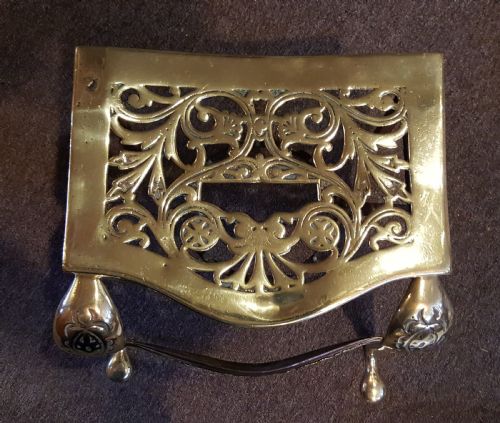
Brass Hearth Stool
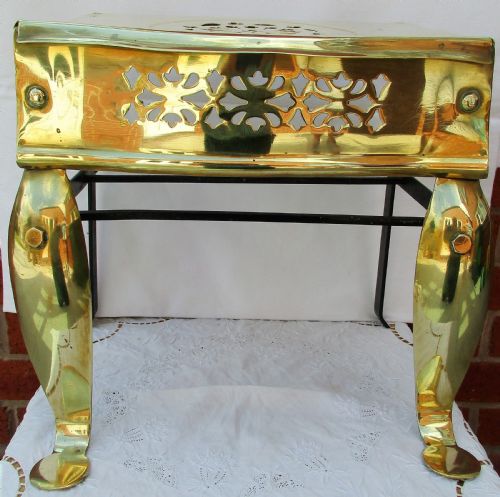
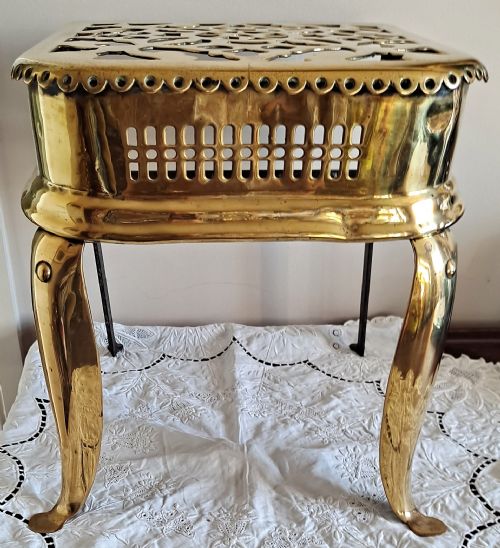
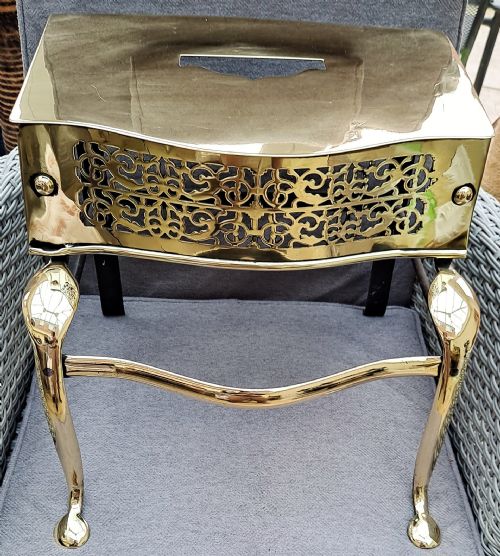
These brass hearth stool examples are sturdy fireside pieces crafted to warm plates or seat the weary, combining functional metalwork with period charm.
Brass Hearth Stool
A brass hearth stool serves primarily as a traditional footman, porter stool, or fireside trivet designed to sit right by the grate. When buyers search for a brass hearth stool, they encounter functional pieces originating from the Georgian, Victorian, and Edwardian periods.
The versions most commonly met on this page combine gleaming brass bodies with robust steel or iron supports, often featuring low profiles and sturdy legs meant to stand close to open fires. These items functioned as practical kitchen aids, plate warmers, and low seats within historic British homes.
How they were made
Maker construction methods rely heavily on pairing durable brass with structural steel or iron, creating heat-resistant frames capable of enduring intense hearth temperatures. Many examples incorporate pierced or cast brass tops designed to distribute heat evenly when utilised as plate warmers.
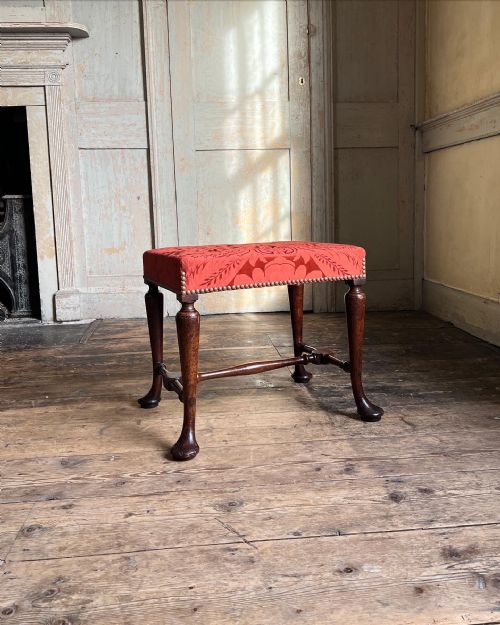
Wooden elements appear alongside the metalwork, utilising traditional timbers such as oak and walnut shaped into cabriole legs or fitted with leather and textile pads. Artisans shaped these materials using hand-forging and casting techniques typical of eighteenth and nineteenth-century metalworking.
Brass Hearth Stool Retail Price Guide 2026
Typical asking prices for brass hearth stool among the pieces listed under this phrase on Sellingantiques today, from the lower quarter to the upper quarter. They describe what is for sale here now, not the wider market.
Current listings span four distinct periods: 18th Century, Georgian, Victorian, and Edwardian.
What varies in quality
The distinction between standard items and superior examples lies in the crispness of the brass casting and the complexity of the pierced work on the top plate. Finely executed designs feature clean lines and balanced proportions, particularly visible in the shaping of cabriole legs and supportive frames.
Materials also dictate the grade of the piece, with heavier gauge brass and dense hardwoods like walnut indicating a higher standard of original manufacture. Integrated steel components that retain their structural integrity without excessive pitting mark the better survivals from earlier eras.
The Brass Hearth Stool Glossary
- Footman
- A metal stand placed before a fire to keep plates warm or to heat water. These practical hearth accessories formed a standard part of period domestic equipment.
- Trivet
- A small three-legged or four-legged support used over a hearth fire for cooking or warming. They are typically cast in brass or forged in iron.
- Cabriole leg
- A furniture leg that curves out and then narrows inward, resembling the shape of an animal's leg. This stylistic feature appears on finer Georgian examples.
- Porter stool
- A sturdy seat designed for draughty hallways or firesides, offering protection and comfort. Examples often combine solid timber frames with durable leather upholstery.
Brass Hearth Stool: Frequently Asked Questions
What is a brass hearth stool used for?
These pieces functioned primarily as fireside accessories for warming plates and kettles near the coal or wood fire. Some variations also served as low stools for sitting close to the hearth for warmth.
Their robust construction allowed them to handle heavy metal cookware and withstand the intense heat of traditional British fireplaces.
How do I date a brass hearth stool?
Dating relies on examining the construction materials, joining techniques, and prevailing style characteristics of the piece. Georgian items often feature elegant cabriole legs, whilst Victorian pieces tend to display heavier cast brass and steel combinations.
Changes in metal casting methods and fastener types also provide reliable clues to whether an item originates from the eighteenth or nineteenth century.
Are these stools safe to use by an active fireplace?
Most pieces are constructed from durable brass, steel, and iron designed specifically to withstand high temperatures near an open fire. However, modern users often utilise them as decorative stands or occasional furniture rather than exposing them to active hearth heat.
Checking the structural integrity of the legs and joints ensures the piece remains stable if placed in daily service.
What is the difference between a footman and a trivet?
A footman generally describes a larger, rectangular metal stand with four legs designed to sit squarely in front of a fireplace grate. A trivet is typically a smaller three-legged support meant for resting kettles or small dishes directly over embers.
Both terms occasionally overlap in historic descriptions of hearth furniture due to their shared domestic purpose.