


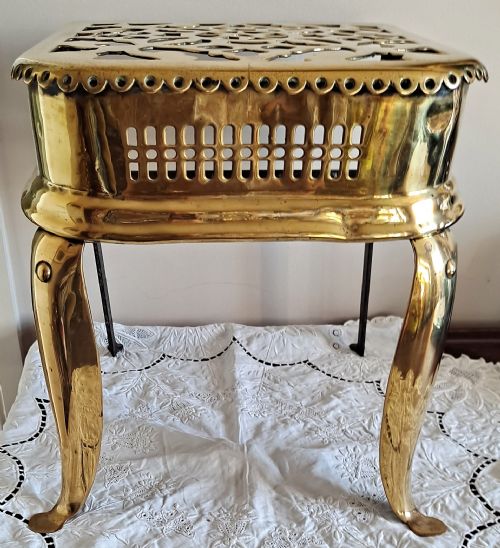
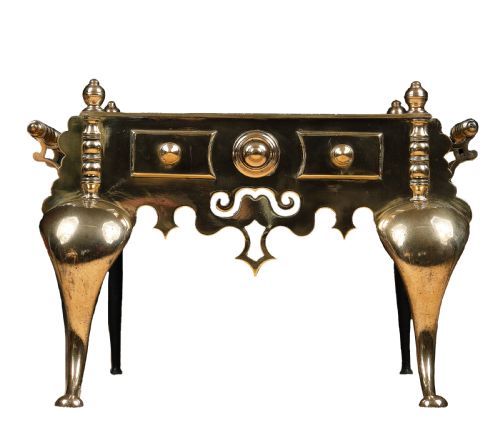


Metal Hearth Trivet
These metal hearth trivet pieces bring sturdy warmth and historic utility to a fireplace, offering a practical surface close to the flames.
Metal Hearth Trivet
When you search for a metal hearth trivet, you encounter fireside accessories designed to hold kettles and pans near the coals. These items function as reliable stands for heating water or keeping food warm beside an open grate.
The pieces listed on this page span the Georgian, Victorian, and Edwardian periods, stretching from the eighteenth century into the twentieth. You are most likely to meet brass footmans and steel stands featuring various tier arrangements and handle designs.
Origins represented in the evidence include English and Welsh workshops alongside traditional Dutch Pear Shaped kettle stands. These hearth accessories reflect the domestic habits of historic households where hearth cooking and tea preparation centred on the grate.
How they were made
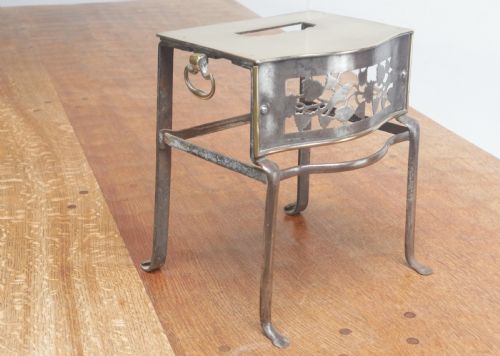
Makers utilised durable metals such as brass, steel, iron, copper, and wrought iron to withstand intense heat and daily use by the fire. Many examples combine brass tops with steel legs and skirts to balance heat retention with structural stability.
Construction methods involved forging, casting, and riveting metal sheets and bars together into sturdy stands. Wooden elements occasionally appear in handles or accents, complementing the heavy metal framework used in footmans and kettle stands.
Dutch pear-shaped kettle stands bring a distinctive plump silhouette to the fireside, proving that even boiling water needed a stylish seat.
What varies in quality
Quality in a metal hearth trivet lies in the precision of the metalwork, the thickness of the plate, and the integrity of the joints. Heavier gauges of brass and steel demonstrate superior durability and more substantial construction.
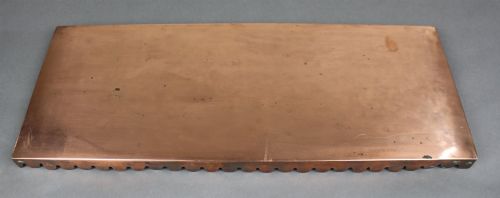
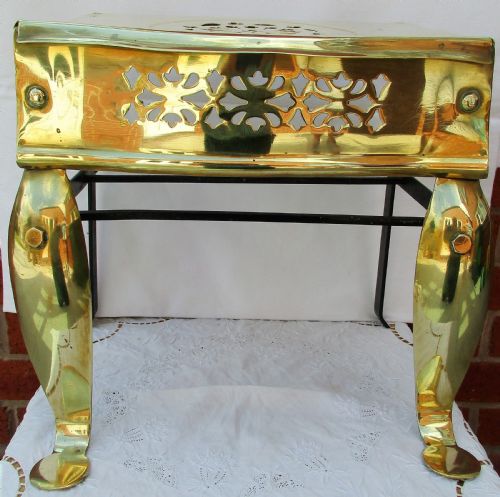
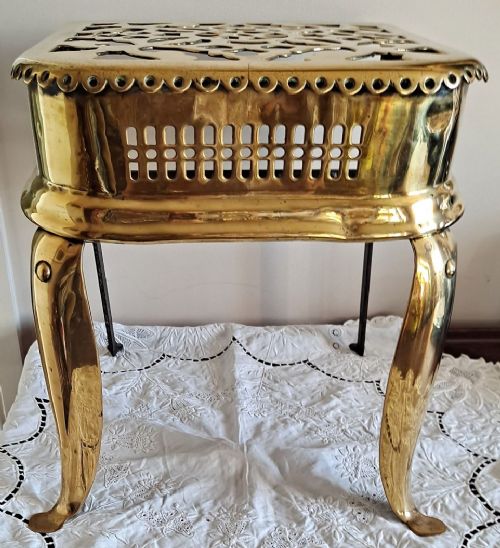
Design details also separate ordinary examples from finer items, such as scalloped edges, pierced brass plates, and well-turned handles. The balance between decorative pierced work and functional stability defines the better pieces in this range.
The Metal Hearth Trivet Glossary
- Footman
- A metal stand with four legs placed in front of a fireplace to support a kettle or keep dishes warm. These items usually feature pierced tops and side handles for lifting.
- Trivet
- A small three or four legged support used to raise hot vessels above the hearth floor or grate. They appear in various forms including two tier stands and kettle supports.
- Kettle Stand
- A specialised hearth accessory designed specifically to hold a water kettle close to the fire. They often match the height of surrounding fire irons.
- Pierced work
- Metal perforated with decorative holes and patterns to let heat pass and add ornamentation. This technique appears frequently on brass trivet tops.
- Wrought iron
- Iron beaten into shape while hot by a blacksmith, producing sturdy and resilient frames. This material provides the structural skeleton for many traditional hearth stands.
Metal Hearth Trivet: Frequently Asked Questions
What is a metal hearth trivet used for?
These items served as stands beside the fireplace for holding kettles, pots, and warming dishes close to the heat.
In historic homes, they allowed people to boil water or keep food warm without placing vessels directly into the coals.
How do I tell a Georgian trivet from a Victorian one?
Georgian pieces often display simpler, cleaner lines with brass plates and distinct hand-forged steel components from around eighteen hundred.
Victorian examples frequently incorporate heavier cast details and more elaborate pierced brass designs reflecting nineteenth-century manufacturing shifts.
How do I live with a metal hearth trivet?
You can use them beside a modern fireplace as decorative stands, plant holders, or low display tables for fireside accessories.
Their robust construction of brass, steel, and iron makes them resilient additions to living spaces.