





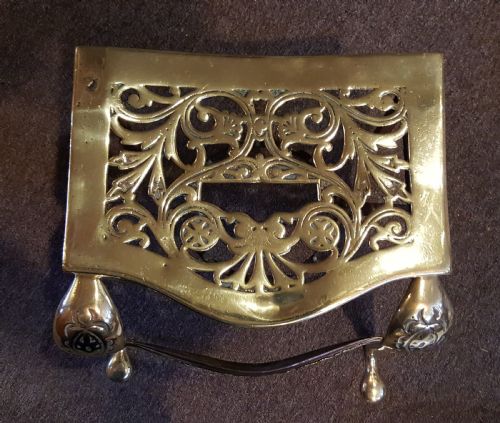


Antique Brass Footman
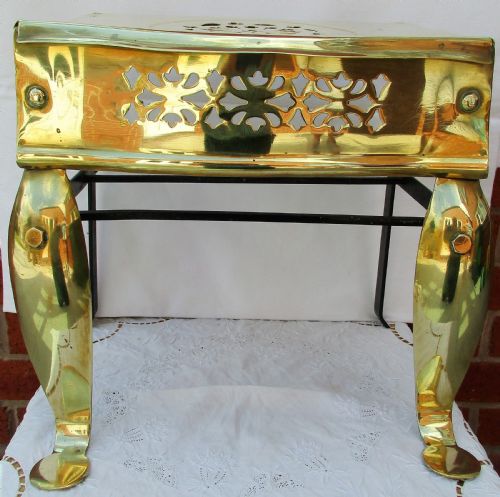
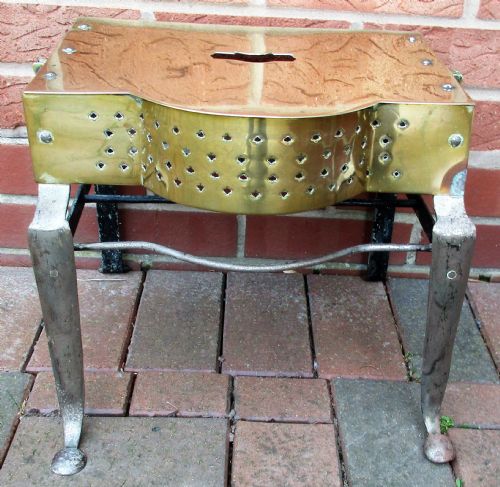
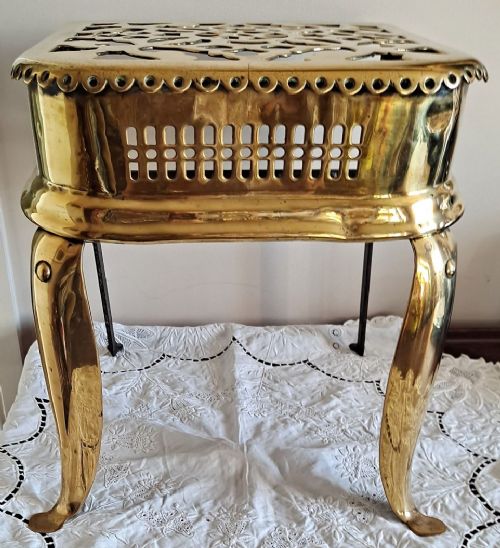
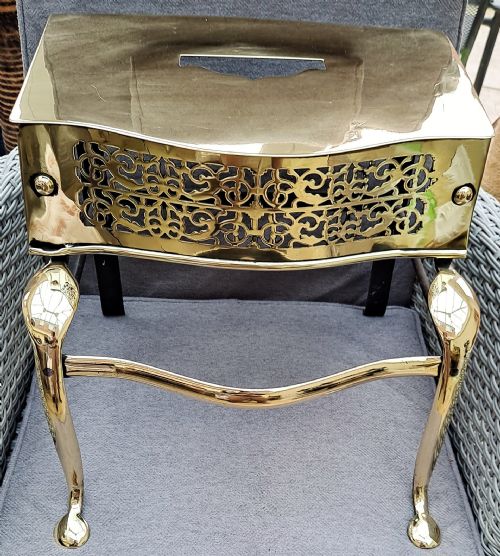
An antique brass footman sits by the hearth to warm plates before the fire, bringing period character and utility to an inglenook.
Antique Brass Footman
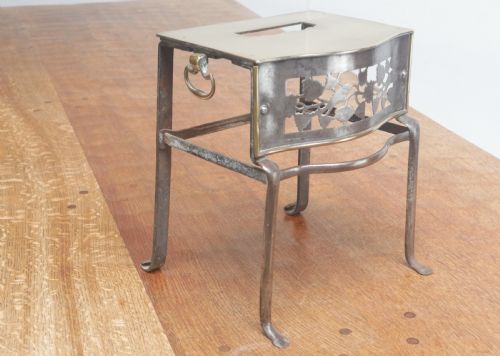
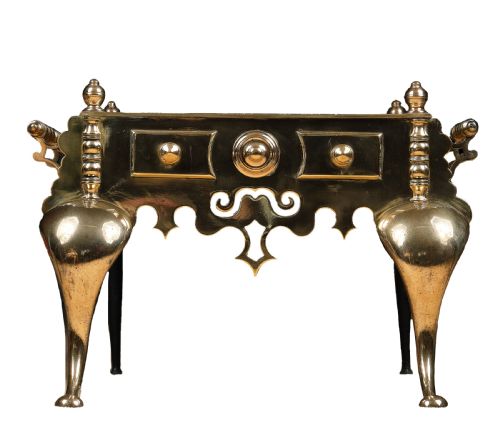
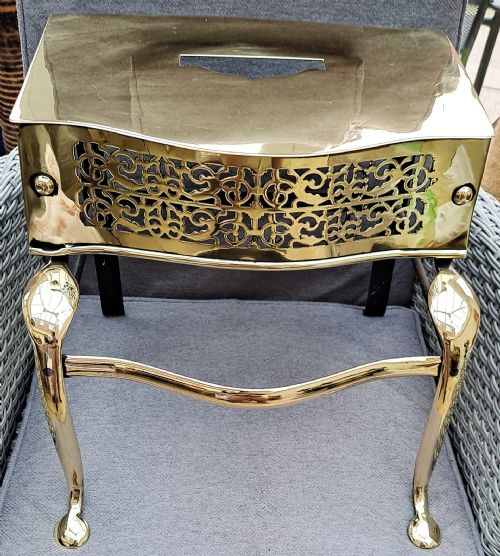
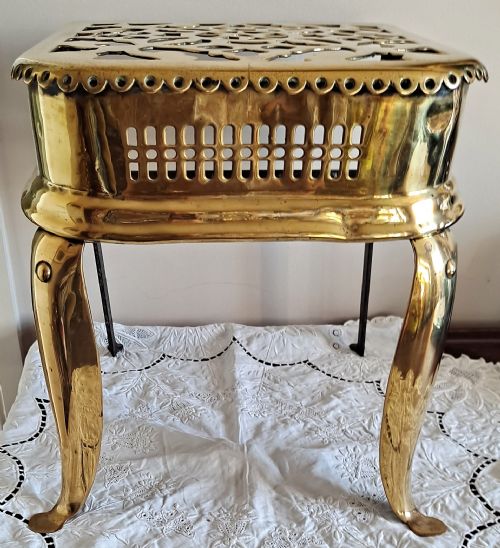
When you search for an antique brass footman, you encounter hearth accessories designed for the fireplace during the Georgian, Regency and Victorian eras. These pieces function primarily as fireside plate warmers and trivets, positioning food or kettles near the coals.
You meet examples originating from English and Welsh workshops, spanning the eighteenth and nineteenth centuries. The form typically stands on sturdy legs with a flat top surface, often accompanied by iron or steel components for structural support.
The selection ranges from standard hearth footmen to model versions and porter footman stools. Certain pieces feature characteristic pierced brass aprons while others remain plain, reflecting regional variations across the periods.
How they were made
Makers utilised brass sheet and cast brass combined with iron and steel to construct these heavy fireside accessories. The metalwork often involves pierced or cut-out designs on the top surface or apron.
Legs and structural frames frequently incorporate iron and steel alongside brass, providing the necessary strength to withstand high fireplace temperatures and heavy loads.
Antique Brass Footman Retail Price Guide 2026
Typical asking prices for brass footman among the pieces listed under this phrase on Sellingantiques today, from the lower quarter to the upper quarter. They describe what is for sale here now, not the wider market.
Some model footmen were built as miniature display pieces, letting miniature plates sit warmly by tiny imaginary fires.
What varies in quality
The standard of metal casting and the complexity of the pierced brass work separate the finest examples from simpler utility items. Crispness in the edge definition of the cut-out patterns indicates superior craftsmanship.
The choice of materials also marks a distinction, particularly the integration of heavier gauge brass and well-forged steel or iron components that ensure the piece retains its structural integrity.
The Antique Brass Footman Glossary
- Footman
- A metal stand placed by the hearth to keep plates or kettles warm. It usually stands on four legs with a flat top.
- Trivet
- A small support or platform used near the fireplace. It shares similarities with the footman in function.
- Pierced brass
- Metalwork decorated by cutting patterns through the sheet. This technique ornaments the aprons of Georgian and Victorian examples.
- Inglenook
- A recess for a fireplace. Footmen were specifically sized for placement within these large hearth spaces.
Antique Brass Footman: Frequently Asked Questions
What is an antique brass footman?
It is a traditional fireplace accessory designed to warm plates and food near the open hearth. These metal stands date from the eighteenth and nineteenth centuries.
They combine a brass top surface with iron or steel frames and legs, often featuring pierced decorative patterns on the front apron.
How were footmen used by the fire?
Servants placed the stand directly in front of the hearth coals to heat plates, dishes, or small kettles before serving meals.
The sturdy construction of brass and steel allowed the pieces to withstand intense fireplace heat without buckling under the weight of heavy ceramics.
How do I date a brass footman?
Dating relies on observing the overall form, the style of the legs, and the metal fabrication methods. Georgian pieces often display specific cabriole or straight leg forms.
Later Victorian and 1880s examples incorporate different manufacturing marks and proportions, while Welsh pieces possess distinct regional characteristics recorded in past and current listings.
Where were footmen made?
The recorded pieces originate from English and Welsh workshops active during the Georgian, Regency, and Victorian periods. Regional makers produced variations in both size and decorative piercing.
English examples frequently pair brass with steel and iron, while Welsh pieces show distinct local preferences in their fireside trivet designs.
Can I use a footman today?
Many collectors place them beside modern hearths as decorative fireside accessories or utilise them as plant stands in period rooms.
Their solid brass and iron construction makes them durable enough for display, while their historical forms complement traditional fireplace settings.