

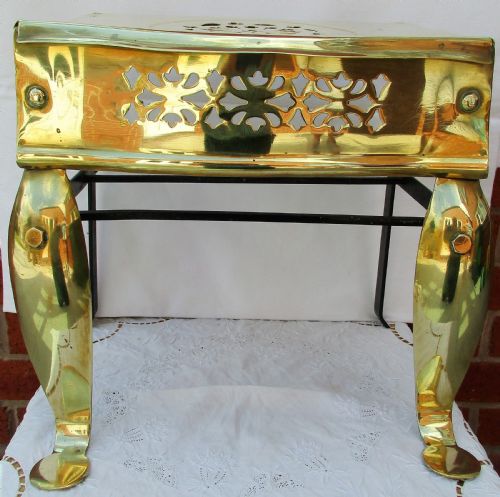


Victorian Hearth Furniture
Victorian hearth furniture gathers the polished brass, carved woods and needlepoint screens that warm a period fireplace.
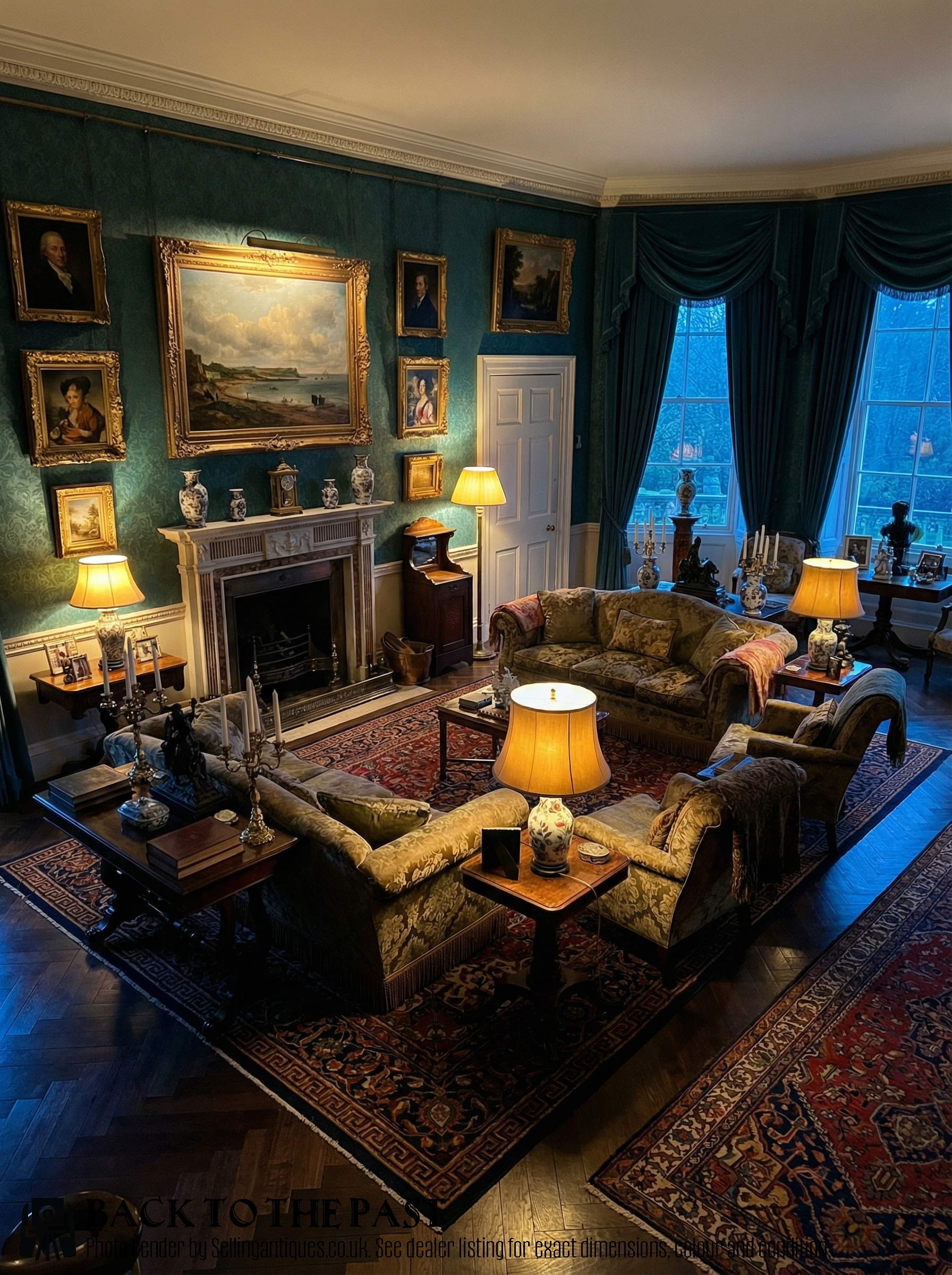
Victorian Hearth Furniture
Victorian hearth furniture encompasses the utilitarian and decorative metalwork and screens that populated nineteenth-century firesides. Buyers examining this category encounter pole screens, coal boxes, footmen, and heavy firedogs designed to manage fuel and deflect heat.
The objects frequently employ rosewood, walnut, and solid brass, often finished with embroidered tapestry panels or intricate metal casting. These pieces reflect the functional demands of coal and wood fires combined with the elaborate aesthetic standards of the period.
Examples on this page span styles from Gothic Revival and Baroque Revival to Art Nouveau and Regency. This variety reveals how nineteenth-century makers adapted classical and romantic motifs for everyday domestic interiors.
Materials and construction
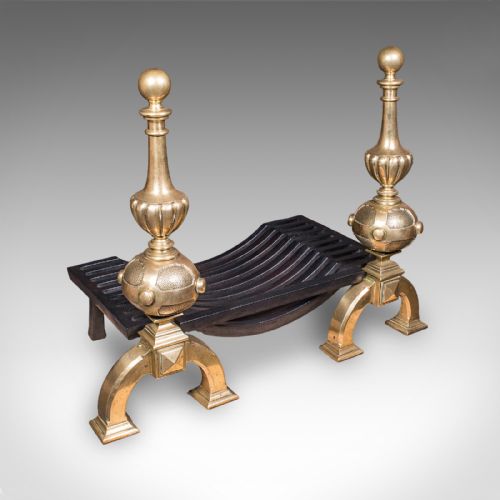
Metalwork relies heavily on cast and polished brass, iron, and bronze, often paired with steel components for strength in andirons and footmen. These metals were shaped through casting and hammering to create durable fire furniture capable of withstanding high temperatures.
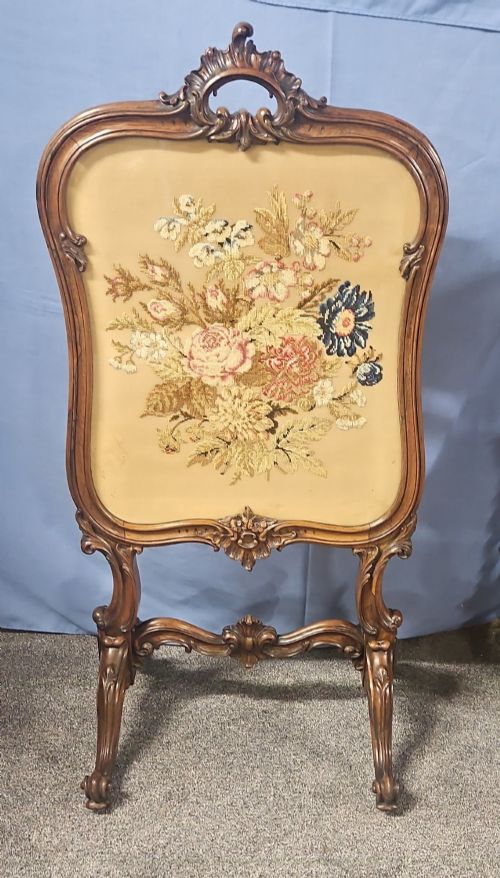
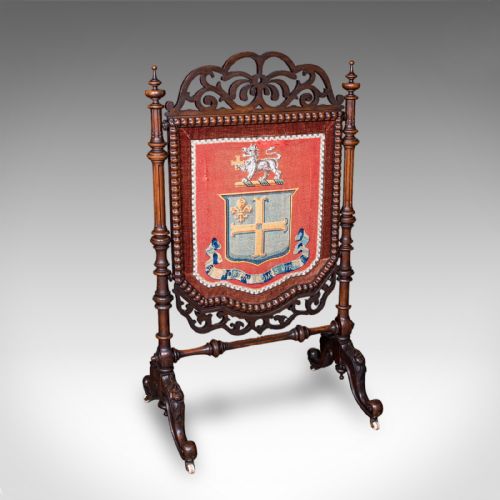
Cabinetmakers utilised dense timbers such as rosewood and walnut for pole screens and coal boxes, frequently incorporating inlaid veneers or carved details. Textile panels set into screens typically feature hand-stitched needlepoint, tapestry, or embroidered armorial designs.
Papier-mâché also appears among the listed items, serving as a lightweight base for decorative pole screens painted with topographical scenes. This diversity of materials highlights the nineteenth-century reliance on both heavy metallurgy and skilled woodwork.
Victorian Hearth Furniture Retail Price Guide 2026
Typical asking prices for victorian hearth furniture among the pieces listed under this phrase on Sellingantiques today, from the lower quarter to the upper quarter. They describe what is for sale here now, not the wider market.
Listings feature woods including rosewood, walnut, elm, and beech, alongside textiles such as tapestry and needlepoint.
Distinguishing quality
Quality rests upon the weight and crispness of the metal casting in firedogs and andirons, where sharper chased details separate superior items from plain production. Solid brass construction and robust iron framing indicate a higher grade of utilitarian manufacture.
In timber pieces such as coal boxes and pole screens, the selection of figured rosewood or walnut and the precision of the joinery define the standard. Finer examples display meticulous inlay work and hand-stitched needlepoint panels rather than printed textiles.
The Victorian Hearth Furniture Glossary
- Pole screen
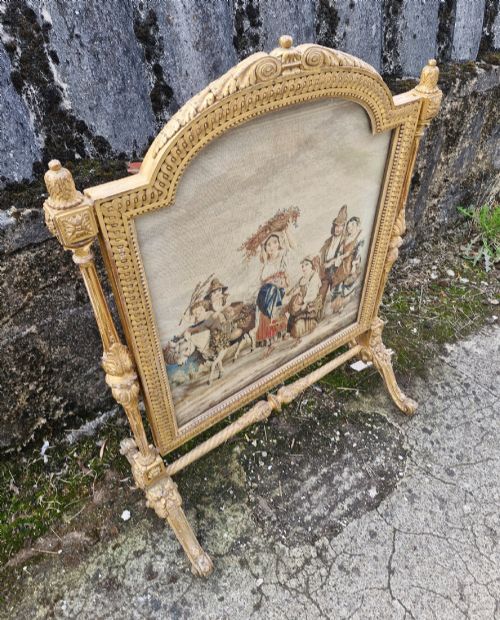
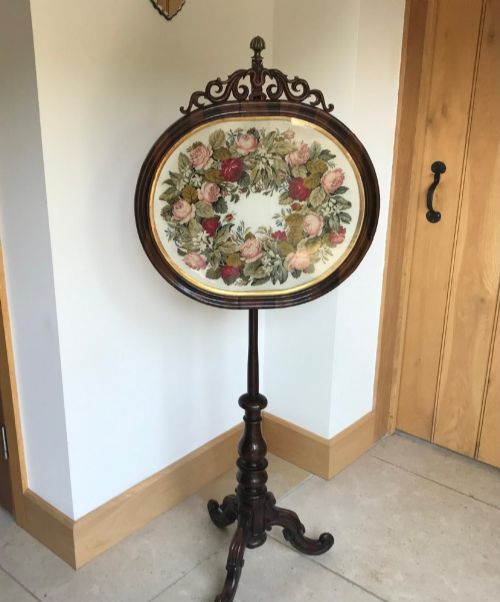
- A vertical display screen mounted on a central wooden pole with a tripod or pedestal base, designed to be adjusted in height to shield a person's face from the radiant heat of an open fire. These screens often feature framed needlepoint or embroidered panels.
- Firedogs
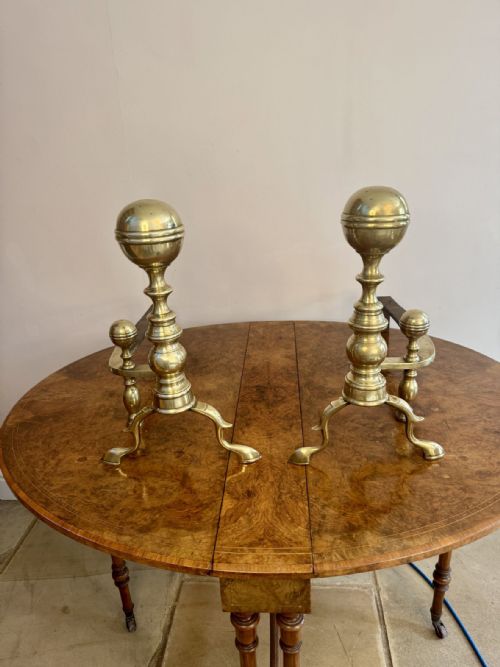
- Supporting metal brackets placed on the hearth to hold logs above the floor for better air circulation. They usually feature decorative front terminals cast in brass or bronze.
- Footman
- A low metal stand placed in front of the fire to keep food or kettles warm. They are typically constructed from brass and steel.
- Coal scuttle
- A container or box designed to hold coal for the fireplace, often fashioned from solid brass or inlaid rosewood. They frequently include a hinged lid and a sturdy carrying handle.
- Needlepoint
- A type of canvas work embroidery executed with wool or silk yarn, commonly used to create decorative panels for fire screens. It provides both colour and texture to the fireside.
Victorian Hearth Furniture: Frequently Asked Questions
What is a pole screen used for?
Pole screens were designed to protect a person's face from the intense radiant heat of an open coal or wood fire. The adjustable panel could be moved up or down the central wooden shaft as needed.
Over time, these pieces transitioned from functional fire guards to decorative items displaying elaborate needlepoint or painted scenes in the parlour.
How do you clean brass fire furniture?
Brass fire pieces are typically maintained with a mild metal cleaner to remove soot and tarnish while preserving the underlying metal. Excessive polishing should be avoided to retain the historical patina.
Iron components require light oiling to prevent oxidation, particularly when stored in damp environments away from active fireplaces.
What is the difference between andirons and firedogs?
The terms are frequently used interchangeably to describe the metal supports placed in a hearth. Historically, andirons often included a horizontal grate or basket for holding fuel, whereas firedogs specifically refer to the ornamental supports.
Both items served to elevate wood above the hearth floor to improve combustion and airflow.
How do I identify a Victorian coal box?
Victorian coal boxes usually feature a robust wooden body made of rosewood or walnut, often fitted with metal liners to contain coal dust. Many examples incorporate brass handles, mounts, and sloping lids for easy access.
Later nineteenth-century versions sometimes show stylistic influences from designers like Liberty, blending traditional utility with contemporary aesthetic movement lines.