



Antique Coal Shovel
An antique coal shovel brings hearth-side utility into focus, combining robust metalwork with the daily mechanics of nineteenth-century fireside management.
Antique Coal Shovel
An antique coal shovel serves as both a standalone implement and a matched component within larger fireside companion sets and coal scuttles. These pieces emerge primarily from Victorian, Edwardian, and nineteenth-century workshops, alongside occasional Georgian and Regency examples.
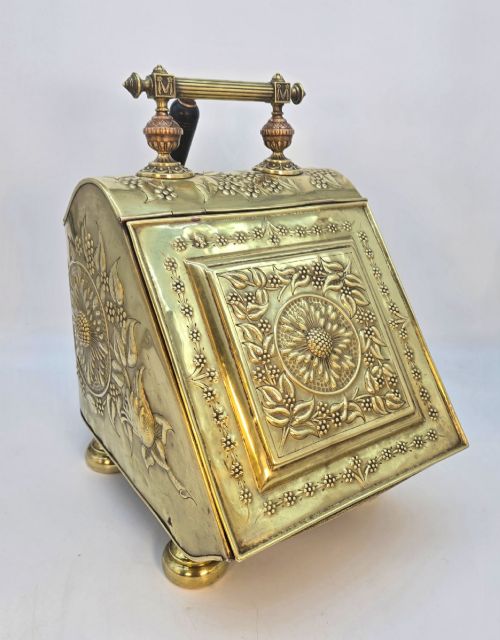
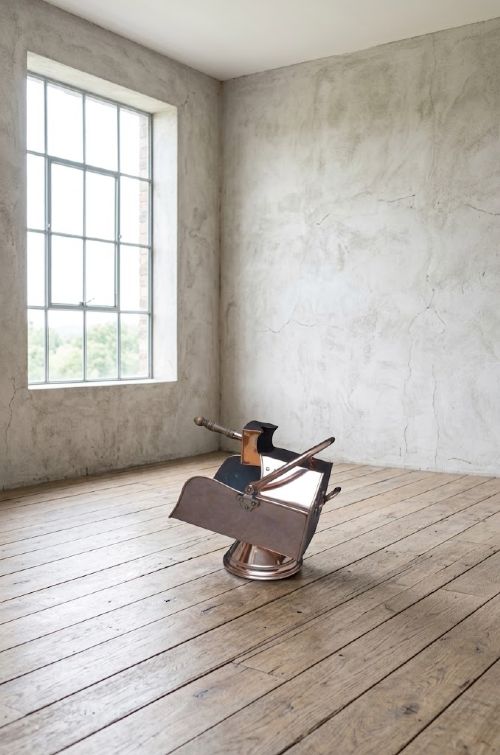
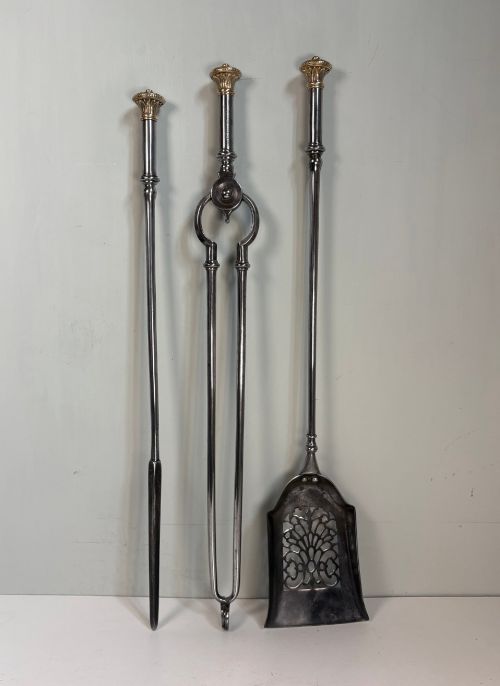
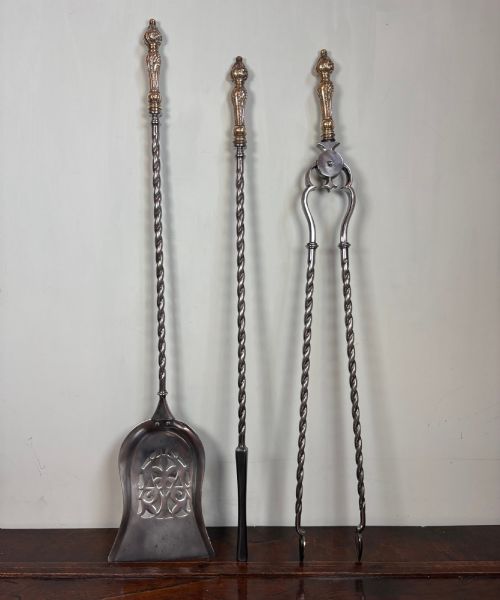
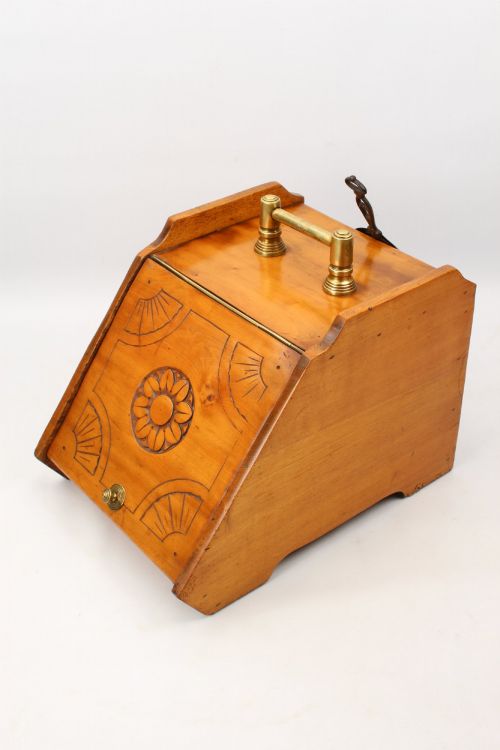
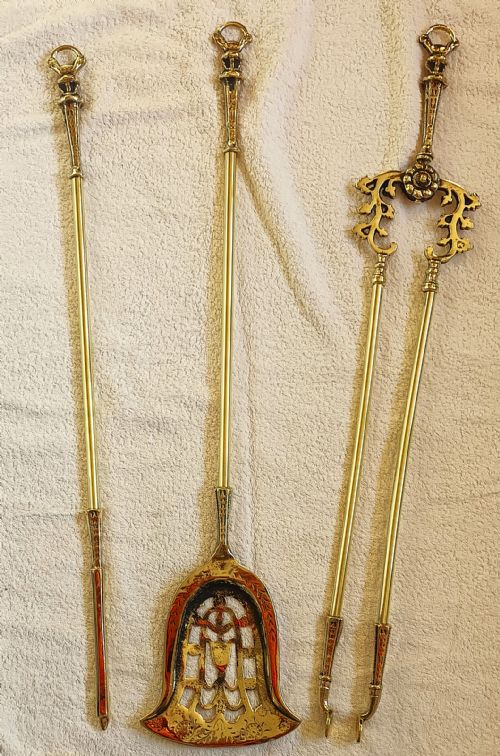
Buyers most frequently encounter the antique coal shovel paired directly with brass or copper coal scuttles, purdoniums, and helmet boxes. Alternatively, they appear alongside pokers and tongs as part of hanging or freestanding fire iron sets.
Origins span rustic country workshops to more formal urban brass foundries, utilising materials that survived heavy daily use beside open coal fires.
Materials and Construction Methods
Makers relied heavily on cast and sheet brass, polished steel, wrought iron, and copper for shovel blades and companion tools. These metals were beaten, forged, or cast to withstand the abrasive weight of coal and the heat of the hearth.
Wooden elements incorporate native timbers such as oak and mahogany, particularly in the construction of scuttles, purdonium boxes, and shovel handles. Metal components often join wood through turned sockets, iron rivets, and brass fixings.
Antique Coal Shovel Retail Price Guide 2026
Typical asking prices for coal shovel among the pieces listed under this phrase on Sellingantiques today, from the lower quarter to the upper quarter. They describe what is for sale here now, not the wider market.
Materials range widely across eras, pairing polished steel fire irons with Georgian brass and Arts and Crafts copper helmet scuttles.
Distinctions in Quality and Make
The degree of hand-finishing defines the division between standard utility items and finer parlour pieces, evident in the crispness of turned wooden handles and the uniformity of forged steel or beaten copper.
Survivability of original liners in associated scuttles and the presence of matching, unreplaced companion shovels indicate a higher level of original ensemble integrity.
The Antique Coal Shovel Glossary
- Purdonium
- A dedicated coal box, usually featuring a hinged sloping front and a compartment for a shovel. These cabinets kept fuel neatly enclosed beside the fireplace.
- Coal Helmet
- A coal scuttle shaped with a flared rim resembling a classical helmet, designed for easy pouring into the grate. They are frequently found in brass and copper.
- Companion Set
- A matching group of fireplace tools, typically including a shovel, poker, and tongs, gathered on a stand or hung from a frame. They formed the standard suite of hearth maintenance implements.
- Adam Style
- A neoclassical design language originating in the eighteenth century, characterised by symmetry, delicate proportions, and classical urn or floral motifs applied to metalwork.
Antique Coal Shovel: Frequently Asked Questions
How do I date an antique coal shovel?
Dating relies on material choices, manufacturing marks, and the accompanying scuttle or fire iron set. Steel and bright brass indicate Victorian and Edwardian production, while heavier wrought iron often points to earlier Georgian contexts.
Associated furniture styles, such as Arts and Crafts hammered copper or Regency polished steel, provide further chronological context for the individual shovel.
Are these shovels meant for active fireside use?
While originally forged for daily coal handling, surviving antique examples have transitioned into decorative and historic hearth accessories. Their metal blades and wooden handles bear the patina of actual nineteenth-century service.
Careful handling preserves the original polish, liners, and joinery of both the shovel and its accompanying scuttle.
What is a purdonium coal box?
A purdonium is an enclosed wooden coal container, frequently made from oak or mahogany with a brass handle and a dedicated interior shovel. This form became popular during the Victorian and Edwardian periods to conceal coal dust.
Many retain their original metal liners, which lifted out for easy refilling outdoors or in the cellar.