



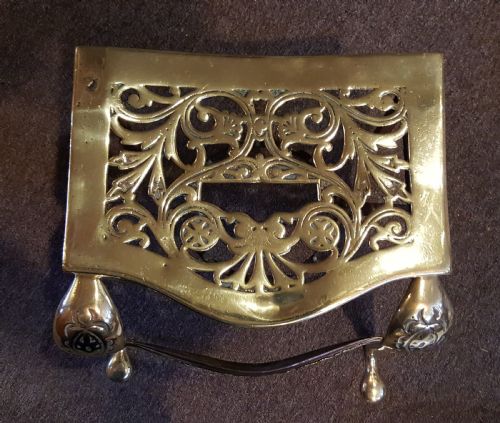

Brass Hearth Footman
A brass hearth footman sits beside the grate to warm plates or kettle, offering sturdy utility and polished metal warmth.
Brass Hearth Footman
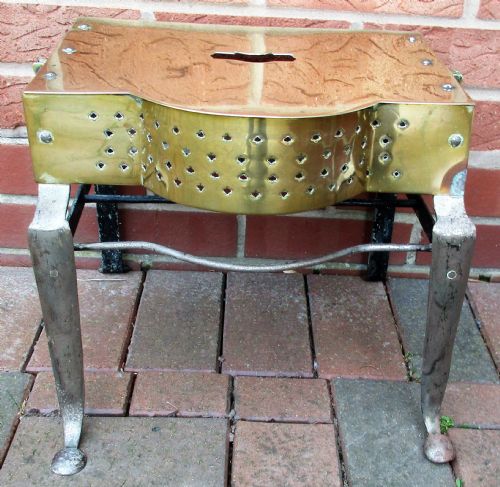
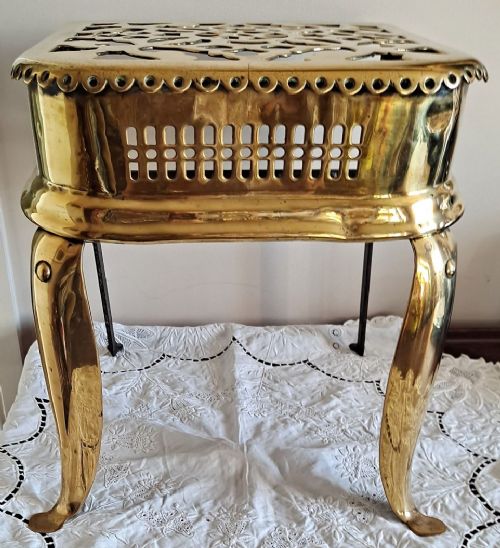
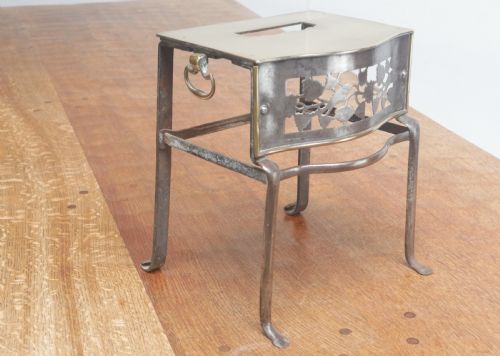
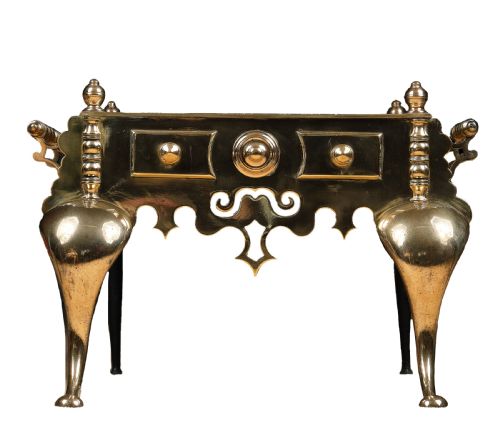
When you search for a brass hearth footman, you encounter fireside furniture designed to stand near the open fire for warming food or water. These pieces appear across Georgian, Regency, and Victorian periods, shaped as low tables with flat tops and pierced aprons.
The versions you meet most frequently on this page date from the eighteenth and nineteenth centuries, originating from English and Welsh workshops. They combine a bright brass top with sturdy steel or iron legs and handles for daily use by the hearth.
How they were made
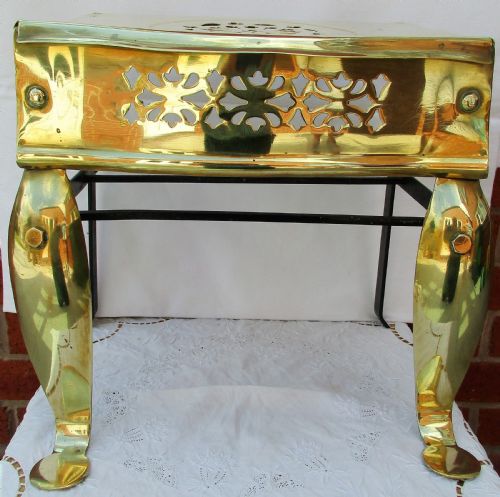
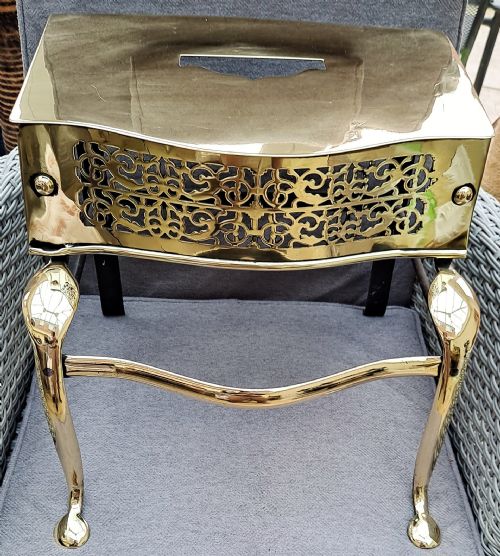
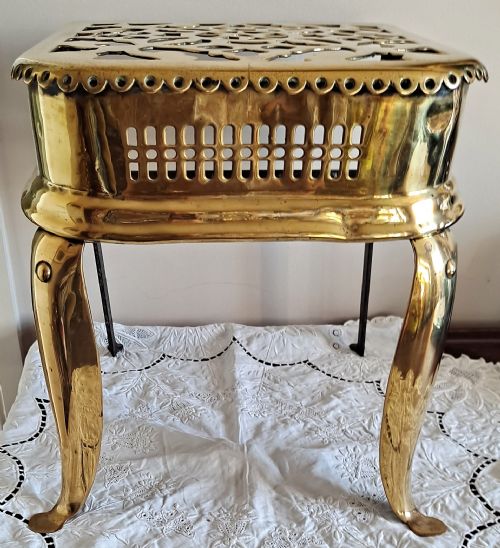
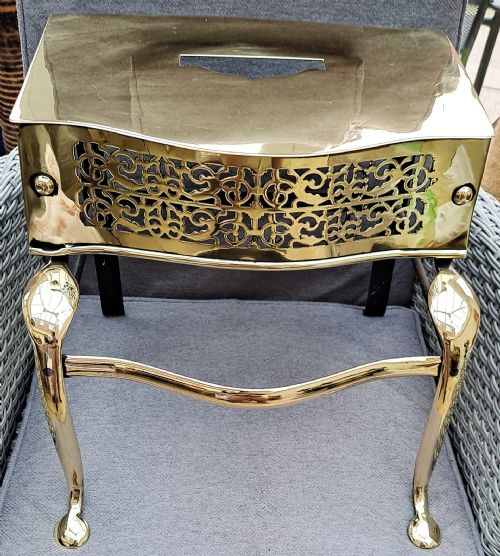
Maker's hands combined sheet brass for the top plate with forged iron or steel for the structural legs and supports. The brass surface often shows pierced geometric or scrolling patterns that allowed heat to circulate while supporting heavy vessels.
Construction involved joining heavy metal components with rivets and welds designed to withstand intense fireside heat. Handles were securely attached to the sides so servants could lift the loaded footman safely away from the flames.
Brass Hearth Footman Retail Price Guide 2026
Typical asking prices for brass hearth footman among the pieces listed under this phrase on Sellingantiques today, from the lower quarter to the upper quarter. They describe what is for sale here now, not the wider market.
Listings span the Georgian, Regency, and Victorian periods, showcasing brass combined with steel and iron.
What varies in quality
Quality rests in the weight of the metal and the crispness of the pierced brass apron. Thicker brass resists warping from the direct heat of an open coal fire, maintaining its structural integrity over generations of use.
Proportion and detail separate standard examples from finer pieces, such as those featuring cabriole legs or well-formed steel components. The integration of steel and brass demonstrates the maker's skill in balancing ornamental brightness with robust utility.
The Brass Hearth Footman Glossary
- Trivet
- A portable metal stand with feet, used interchangeably with footmen to support cookware near the flames. These items sat directly on the hearth stones.
- Inglenook
- The large recess around a fireplace where these metal warmers stood. This space gathered heat from the open fire.
- Cabriole leg
- A curved furniture leg that arches outward and tapers inward, found on select hearth stools. This form lifts the metal top gracefully off the floor.
Brass Hearth Footman: Frequently Asked Questions
How were these footmen used?
These pieces sat directly on the hearth stone or within the inglenook to keep food and kettles warm before serving. Servants moved them using the attached side handles.
The pierced metal top allowed heat to rise effectively while supporting heavy ceramic or metal vessels.
How do I date a brass footman?
Dating relies on stylistic clues, construction methods, and materials such as the combination of brass and steel. Georgian examples often show different leg profiles compared to later Victorian pieces.
Examining the joining techniques and wear patterns also helps determine whether a piece originates from the eighteenth or nineteenth century.
Can I use an antique footman daily?
These pieces were built for robust daily use by historic fires and remain durable today. Their heavy brass and iron construction handles weight reliably.
Many collectors choose to display them by modern hearths or use them as decorative stands in traditional interiors.