





Georgian Brass Kettle Stand
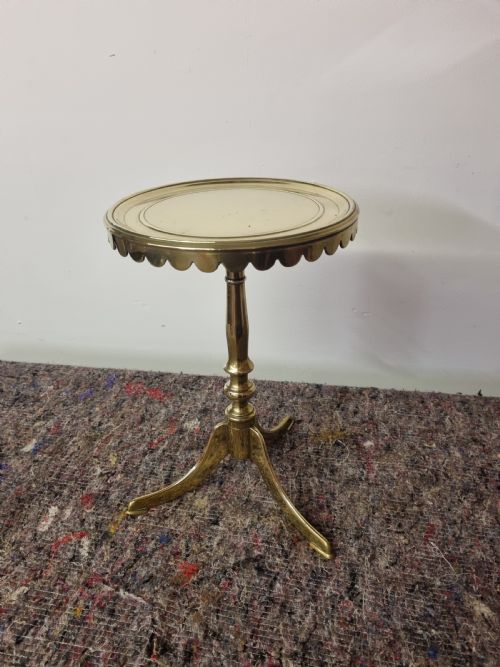
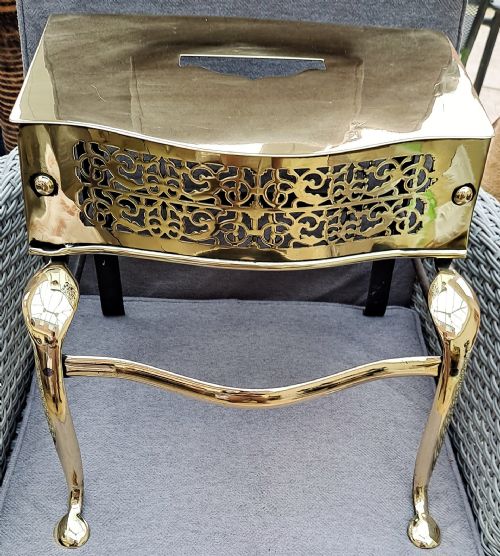
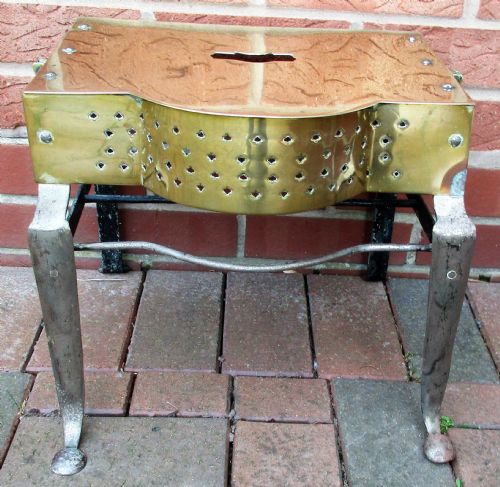
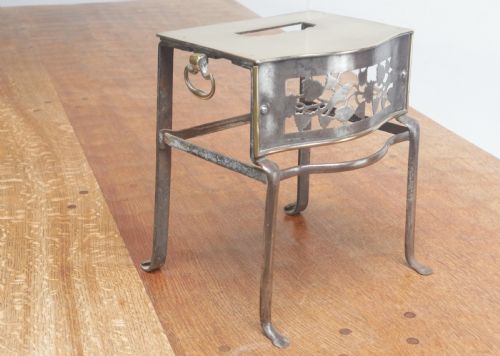
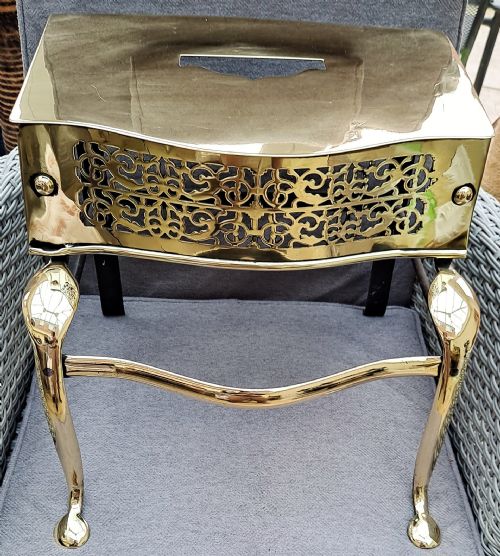
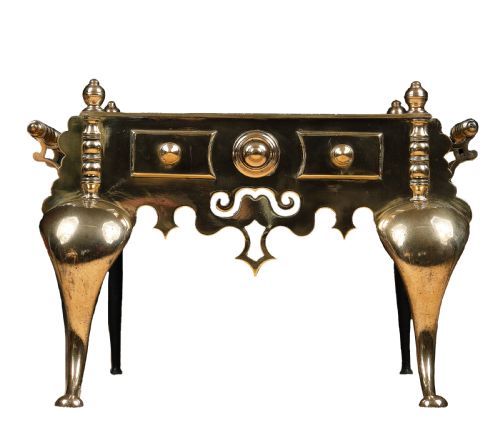
A georgian brass kettle stand is a hearthside metal footman designed to keep water warm by the fire.
Georgian Brass Kettle Stand
When you search for a georgian brass kettle stand, you encounter heavy metal hearth accessories designed to sit directly before an open fire. These items function as footmen or trivets, offering a sturdy surface for warming kettles and pans in the principal rooms of an interior.
The pieces listed on this page span the Georgian, Regency, and Victorian periods, with examples also dated to the eighteenth and nineteenth centuries. You are most likely to meet brass and steel combinations or solid cast brass constructions featuring distinct legs and top plates.
How they were made
Maker workshops utilised durable brass plates for the main surfaces, often pairing them with robust iron or steel structures to withstand intense hearth heat. These metals were combined through forging and casting techniques, creating heavy objects capable of supporting water-filled vessels.
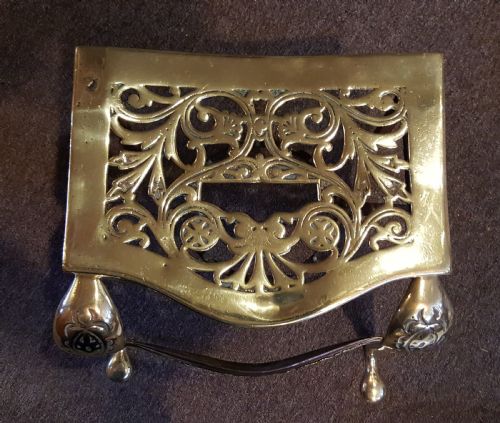
Many examples incorporate cast brass components shaped into cabriole legs or pierced tops, while others rely on simpler iron frames. The manufacturing process depended on metalworkers who understood both ornamental casting and structural ironwork for daily domestic use.
These heavy metal stands spent centuries listening to family gossip while keeping the tea water gently steaming.
What varies in quality
Quality rests upon the weight of the metal and the precision of the casting, distinguishing heavy cast pieces from lighter alternatives. A superior stand displays well-defined pierced decoration on the top plate and substantial legs that remain balanced on an uneven hearth.
The integrity of the construction where brass meets iron or steel indicates the standard of original workmanship. Examples with crisp detailing and heavier metal gauges hold greater presence by the fireplace than simpler, thinner variants.
The Georgian Brass Kettle Stand Glossary
- Footman
- A metal stand placed by a fireplace to support a kettle or keep food warm. These items typically feature four legs and a flat top plate.
- Trivet
- A small support elevated on feet, used in hearth settings for standing vessels near the coals. They share many functions with larger footmen.
- Cabriole leg
- A furniture and accessory leg that curves outward and then tapers inward, ending in a pad or foot. This form appears on finer Georgian hearth stands.
- Inglenook
- A recessed space around a fireplace, where hearth accessories like footmen traditionally sat. This area formed the main heating centre of older rooms.
Georgian Brass Kettle Stand: Frequently Asked Questions
What is a brass footman?
A brass footman is a traditional hearth accessory used to support kettles and pans close to the fire. These metal stands held water warm for tea and domestic tasks in older rooms.
They were placed directly on the hearth stones before the burning coals. Their sturdy metal construction allowed them to bear the weight of heavy liquid containers safely.
How were these stands used?
These pieces served as movable warming shelves positioned near open fires. Water kettles rested upon their flat tops to stay hot throughout the day.
Servants moved them closer to or further from the heat depending on the fire's intensity. They formed an essential part of daily fireside management in larger households.
Are footmen and trivets the same?
Footmen and trivets are closely related hearth accessories with similar warming purposes. Footmen generally refer to larger four-legged stands used by the fireplace.
Trivets can describe smaller or lower supports for individual vessels. Both terms often overlap in older descriptions of these metal stands.
How do I date a brass stand?
Dating relies on examining the combination of metals, such as brass paired with wrought iron or steel. Stylistic cues like cabriole legs point toward specific periods.
Manufacturing methods also provide clues, as earlier pieces often show hand-finished casting marks. Comparing the weight and construction style helps narrow down the era of production.