





Georgian Footman Stand
A georgian footman stand sits by the hearth to hold a kettle, offering the sturdy utility and warmth of eighteenth-century country houses.
Georgian Footman Stand
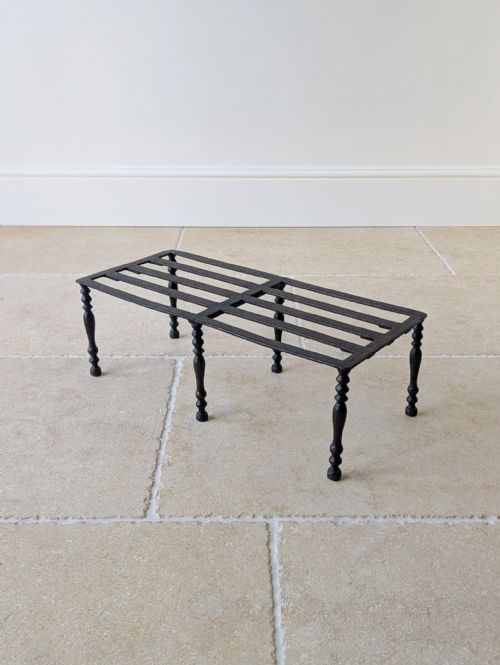
When you search for a georgian footman stand, you are looking at practical fireplace accessories designed to keep water warm or food hot by the open fire. These hearth footman and trivet pieces serve as miniature metal tables placed directly in front of the flames.
The versions you are most likely to meet on this page date from the Georgian and Regency periods, alongside later nineteenth-century examples. They appear in forms described variously as hearth accessories, fireside accessories, and porter footman stools.
Makers shaped these stands for daily service beside inglenook fireplaces, using low profiles and sturdy legs to bear heavy vessels safely. Their survival reflects the enduring utility of iron and brass kitchenware.
How they were made
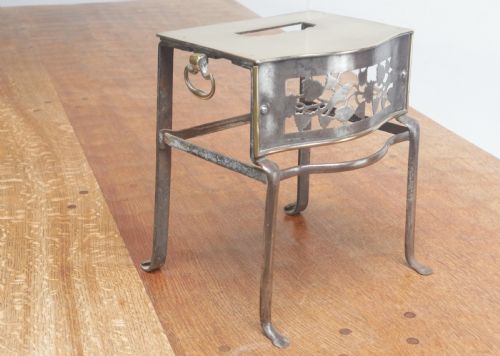
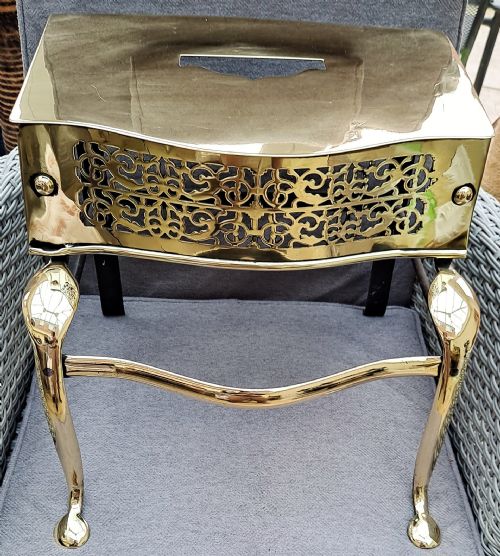
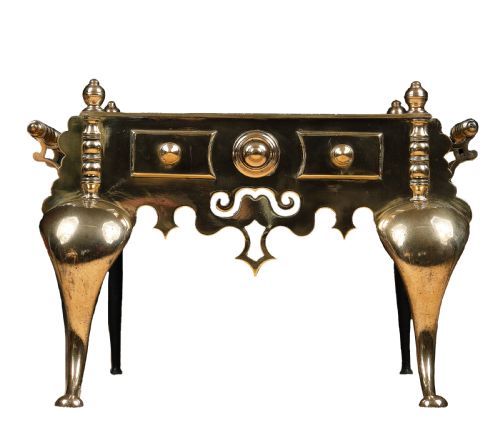
The construction of a georgian footman stand combines forged iron or steel frames with bright brass tops. Wrought iron provides the structural skeleton, while steel components add rigidity to the hearthware.
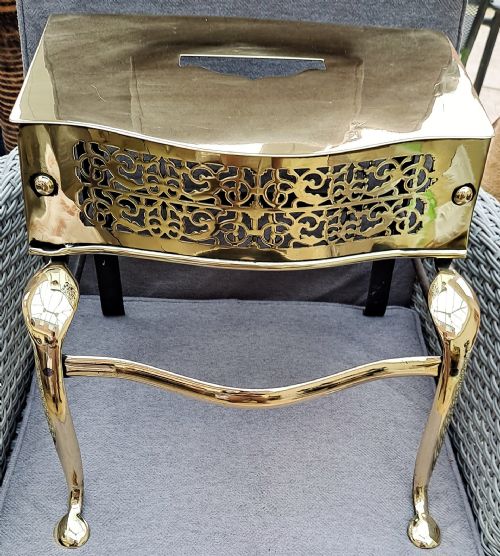
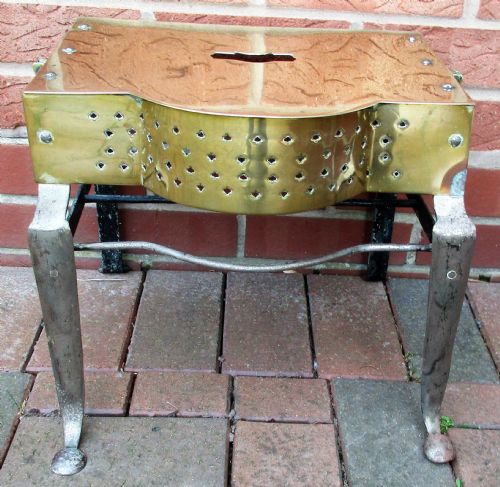
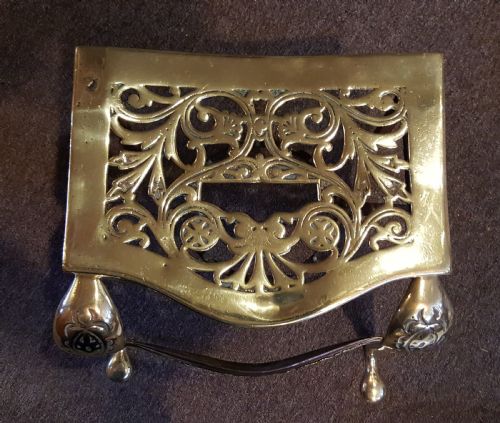
Brass front plates and tops catch the firelight, contrasting sharply with the dark wrought iron or steel legs. Smiths and metalworkers joined these mixed metals using traditional riveting and fitting techniques suited to high heat.
Listings feature items spanning the eighteenth and nineteenth centuries, utilising brass, iron, steel, and wrought iron.
What varies in quality
Quality in a georgian footman stand rests on the substance of the metals and the crispness of the construction. Heavy, thick brass plates and solid wrought iron legs distinguish substantial pieces from lighter, more utilitarian alternatives.
Proportion and detailing also separate standard hearthware from finer examples, particularly where cabriole legs or shaped aprons meet the brass top. The integration of steel and brass elements shows the maker's hand.
The Georgian Footman Stand Glossary
- Footman stand
- A metal hearth accessory used to keep kettles or dishes warm before an open fire. These stands typically feature a flat top and four legs.
- Hearthware
- Utilitarian metal objects designed specifically for use around the fireplace. This category includes trivets, footmen, and fender accessories.
- Trivet
- A small support raised on feet, placed near the hearth to hold hot cooking vessels. They share a close functional relationship with footman stands.
- Inglenook
- A recessed corner by a large fireplace, often fitted with seating where these stands traditionally sat. It represents the primary domestic context for such metalwork.
- Cabriole leg
- A furniture leg that curves outward and then tapers inward, occasionally found on porter footman stools. This form adds decorative refinement to sturdy ironwork.
Georgian Footman Stand: Frequently Asked Questions
What is a georgian footman stand used for?
A georgian footman stand served as a practical hearth accessory designed to hold kettles or dishes close to the fire for warming.
Placed directly in front of the flames, these metal stands kept water hot for tea without taking up space on the main cooking grate.
Where were these stands placed in a room?
These pieces sat directly on the hearth floor, often within the deep recesses of a traditional inglenook fireplace.
Their compact size allowed them to be easily moved closer to the heat or pulled out into the room as needed.
How do I care for brass and iron?
Maintenance involves gentle cleaning to preserve the natural patina of the mixed metals without stripping their age.
Keep the iron and steel dry to prevent surface rust, and use appropriate metal care sparingly on the brass top.
How can I tell the period?
Dating relies on observing the combination of materials, such as wrought iron frames paired with brass plates, alongside leg forms.
Earlier pieces often display hand-forging traits in the ironwork, while nineteenth-century examples reflect later manufacturing methods.