




Vintage Brass Hearth Furniture
Vintage brass hearth furniture brings warmth and practical utility to a fireside, offering enduring metalwork for daily use.
Vintage Brass Hearth Furniture
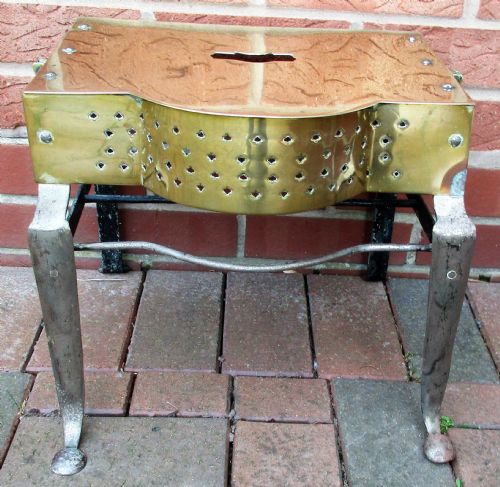
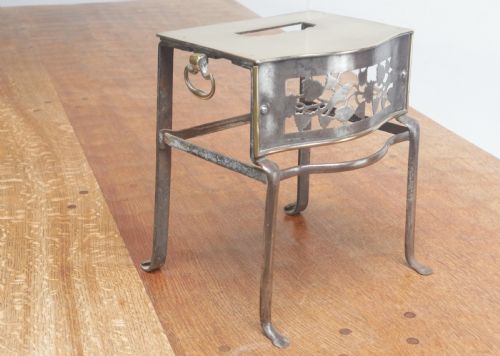
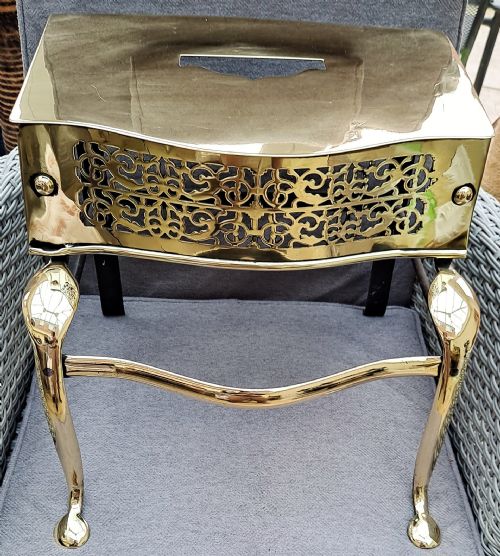
Vintage brass hearth furniture comprises the various metal accessories used around an open fire, ranging from footmen and firedogs to coal buckets and fire screens. Buyers seeking these items will find pieces spanning several centuries, including Georgian, Regency, and Victorian periods.
Originating mostly from English workshops, these objects reflect the prevailing design movements of their eras, such as Art Nouveau, Baroque revival, and Regency styles. Each piece serves both a domestic function and a decorative role within the room.
Materials and construction
Makers utilised brass as the primary visible material, frequently mounting it on sturdy iron or steel frames for structural strength. Footmen and fire dogs often combine polished brass plates with wrought iron legs or steel stretchers to withstand high temperatures.
Coal scuttles and buckets employ sheet brass and copper, sometimes mounted on wooden bodies or fitted with swing handles. Decorative details emerge through casting, hammering, and turning, alongside cut glass accents on firescreens from later periods.
Listings span from the 18th century through the Victorian era, featuring brass, steel, iron, copper, and cut glass across various fireplace accessories.
Assessing quality and craftsmanship
Quality in these items rests upon the weight of the metal and the integrity of the construction, distinguishing solid cast components from lighter stamped sheets. Superior examples display crisp detailing in the brass work and robust joining between the metal elements.
The balance between decorative ambition and functional utility dictates the standing of a piece, with finer items retaining original fittings and uncompromised structural stability. Period accuracy in the stylistic motifs also separates standard utility items from more ambitious commission work.
The Vintage Brass Hearth Furniture Glossary
- Footman
- A metal stand placed by the hearth to keep food or kettles warm, typically constructed from brass and steel.
- Firedog
- A support for logs in an open fireplace, also known as an andiron, usually made in matching pairs.
- Brasero
- A traditional metal brazier used for heating, holding glowing embers in a shallow bowl.
- Coal Scuttle
- A bucket or container designed for holding coal near the fire, sometimes shaped like a helmet.
- Andiron
- Another term for firedogs, supporting burning wood off the hearth floor to improve airflow.
Vintage Brass Hearth Furniture: Frequently Asked Questions
What is a brass footman used for?
A brass footman served as a small metal stand positioned directly in front of the hearth. Cooks used it to keep dishes warm or to heat water near the fire.
Over time, these pieces transitioned from active kitchen use to purely decorative hearth accessories. Their sturdy brass and steel construction made them ideal for daily placement near open flames.
How do I date vintage brass hearth items?
Dating relies on examining the manufacturing techniques, materials, and stylistic motifs present on the object. Georgian pieces often display simpler, robust lines, while Victorian items lean towards ornate surface decoration.
Cross-referencing the specific style, such as Art Nouveau or Regency revival, helps narrow down the period of production. Secondary materials like iron or copper can also offer clues regarding the era of manufacture.
Are firedogs and andirons the same thing?
Yes, firedogs and andirons refer to the same pair of heavy metal supports placed inside a fireplace. They hold logs aloft to allow air to circulate underneath for a better fire.
Many examples feature decorative brass fronts paired with iron bars that extend backward into the hearth. They were designed to be both functional supports and visual centerpieces.
How do I care for antique brass?
Maintaining antique brass involves gentle cleaning with a soft cloth to remove dust and prevent the buildup of grime. Many collectors prefer to leave a natural aged patina rather than polishing the metal to a bright shine.
Harsh chemical abrasives should be avoided, as they can strip away centuries of accumulated surface character. Regular dusting keeps the metal stable in a modern home environment.