




18th Century Trivet
An 18th century trivet brings warmth and utility to the hearth, offering a stable ledge for kettles, teapots, and dishes.
18th Century Trivet
When you search for an 18th century trivet, you encounter a specialised range of fireside accessories, hearth footmen, and teapot stands designed to keep vessels warm near the fire. These metal and wooden items served daily domestic duties in the Georgian home, standing on the hearth or directly before the grate.
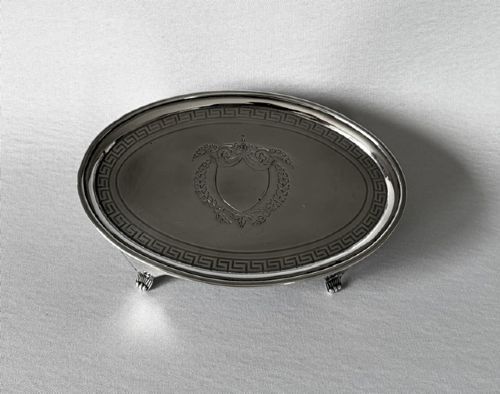
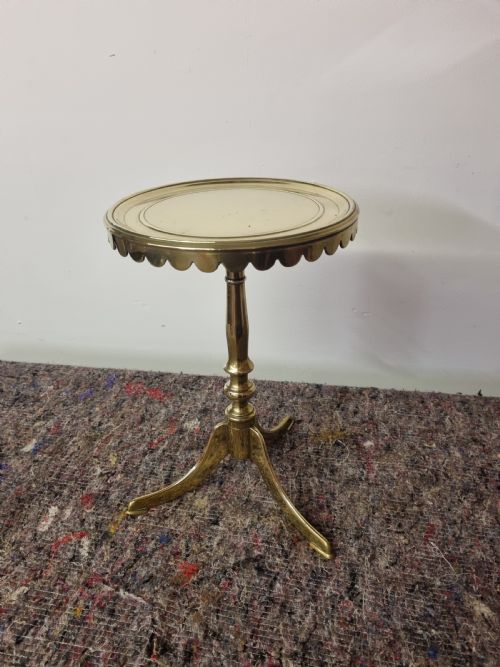
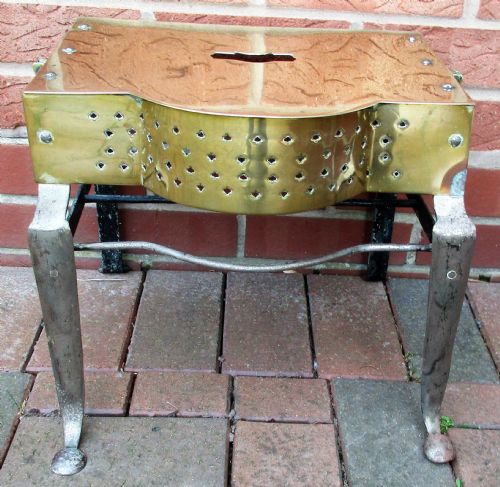
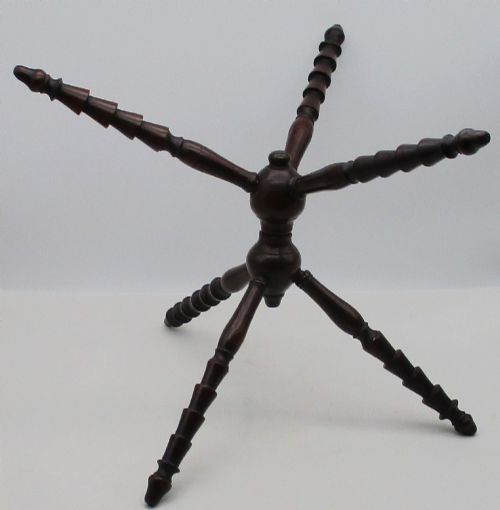
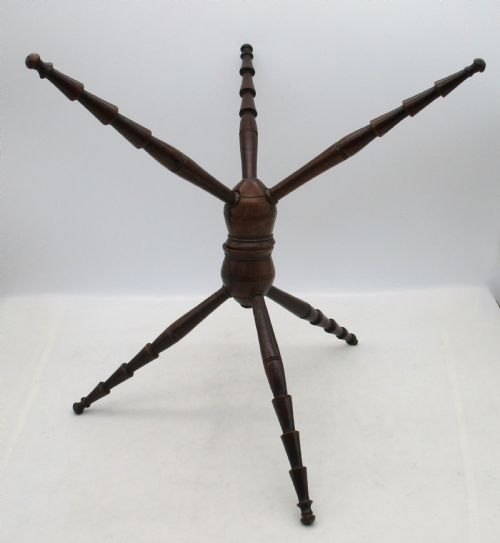
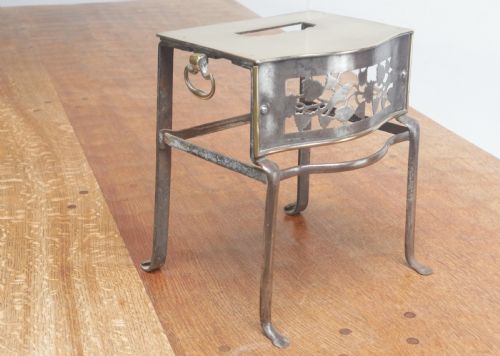
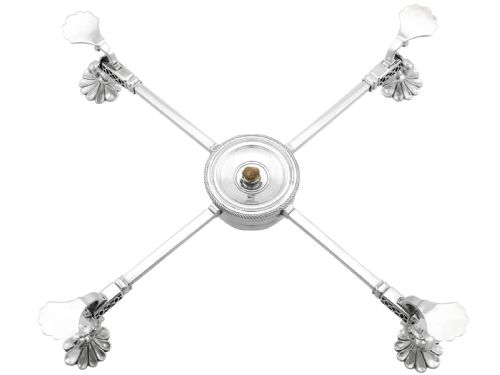
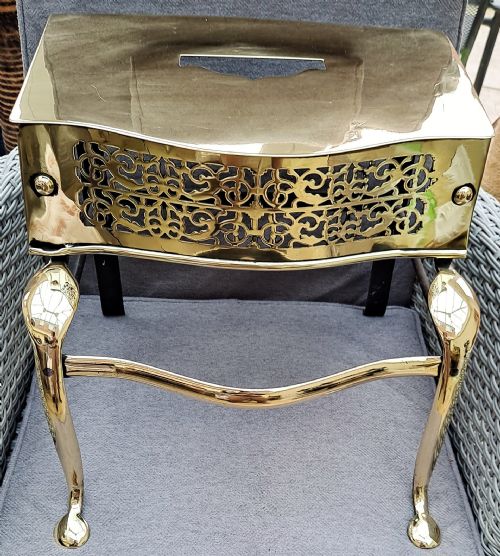
The versions most commonly met on this page include brass and steel footmen alongside mahogany rotating fire cats, dish warmers, and silver stands. They span the Georgian period, featuring scalloped edges and robust tripod or four-legged supports built for heavy kitchen and parlour use.
How they were made
Makers fashioned these pieces primarily from brass, steel, iron, and copper, often combining materials to balance heat resistance with decorative appeal. Brass tops paired frequently with iron or steel legs to withstand intense fireside heat.
Woodwork relied on dense timbers such as mahogany, particularly for rotating fire cats and plate stands designed to pivot towards the flames. Metal components involved casting, piercing, and hand-beating, resulting in durable frames with refined surface finishes.
Mahogany rotating stands were affectionately named fire cats because they sat quietly by the hearth and pivoted when needed.
What varies in quality
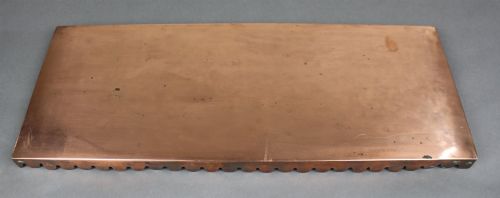
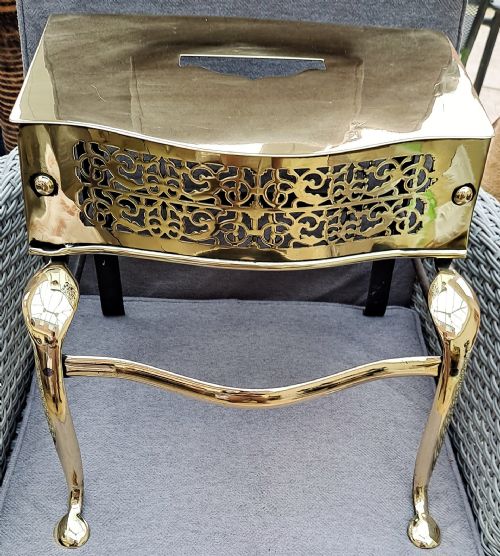
Quality rests in the precision of the metalwork, the weight of the cast brass or steel, and the integrity of the timber joints. Finer examples display crisp piercing, balanced proportions, and clean edges on scalloped copper plates.
The sophistication of the mechanism on rotating stands and the purity of precious metals like sterling silver on dedicated teapot stands and dish crosses mark the upper tier of production. Simpler utility footmen show sturdier, plain construction meant purely for heavy service.
The 18th Century Trivet Glossary
- Footman
- A metal stand placed by the fireplace to hold kettles or warm dishes. These typically feature four legs and a pierced top.
- Fire cat
- A revolving wooden or metal stand used beside the hearth. The rotating top allowed easy access to warming plates.
- Dish cross
- An adjustable metal stand used to support serving dishes over a spirit burner or on the table. Sterling silver versions are particularly prized.
- Hearth plate
- A flat metal tray with a raised edge placed near the fire. Scalloped edges were a popular decorative flourish.
18th Century Trivet: Frequently Asked Questions
What is an 18th century trivet?
An 18th century trivet is a fireside accessory designed to hold kettles, teapots, or dishes close to the fire. They include footmen, hearth plates, and rotating stands.
These pieces were essential items in Georgian homes for keeping food and water warm. They combine practical metal and wood construction with period decorative styles.
What materials are common?
The listings show a frequent combination of brass, steel, iron, and copper. Mahogany appears often in rotating fire cats and plate stands.
Precious metals like sterling silver are also found in specific items such as dish crosses and teapot stands. Each material was chosen for its durability or heat-handling properties.
How do I identify Georgian pieces?
Georgian pieces are identified by their characteristic materials, such as cast brass, heavy steel, and dense mahogany. Styles lean towards classic 18th-century forms like scalloped edges and pierced tops.
Examining the construction methods and metal casting techniques helps confirm the period. The evidence on this page spans the 1750 to 1850 timeframe.