




Georgian Fireplace Trivet
A georgian fireplace trivet is a fireside essential in brass, iron, or mahogany, designed to keep kettles and plates warm by the hearth.
Georgian Fireplace Trivet
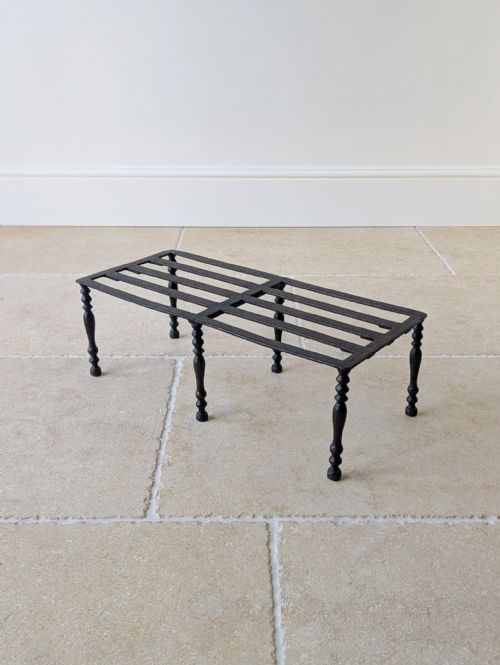
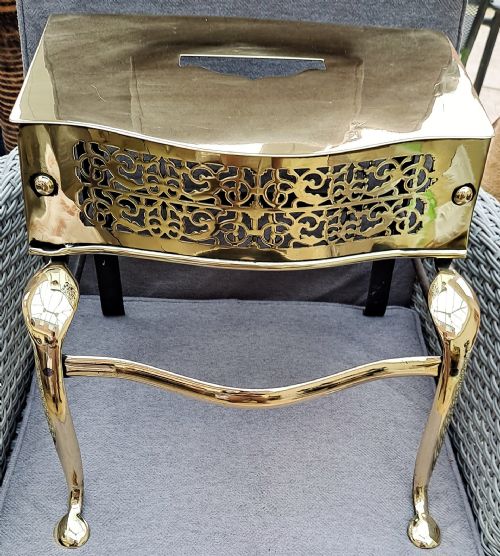
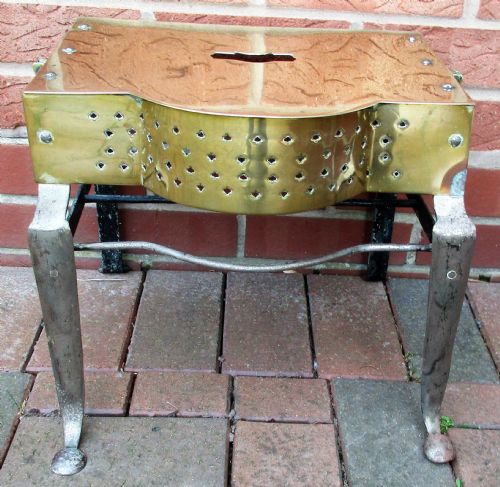
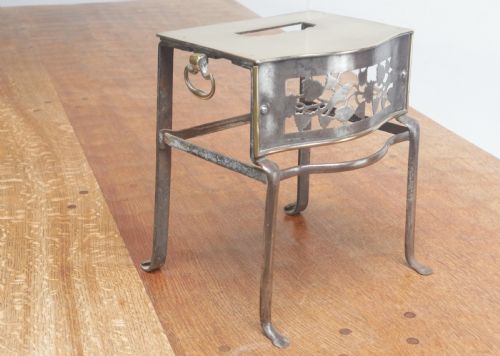
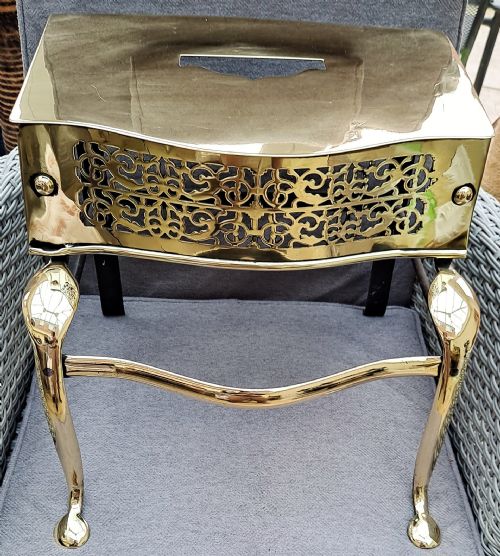
A georgian fireplace trivet encompasses footmen, hearth stands, and plate warmers produced during the Georgian, Regency, and Victorian periods. Most examples found here take the form of brass footmen with steel legs, alongside occasional mahogany cat stands and wrought iron country-house pieces.
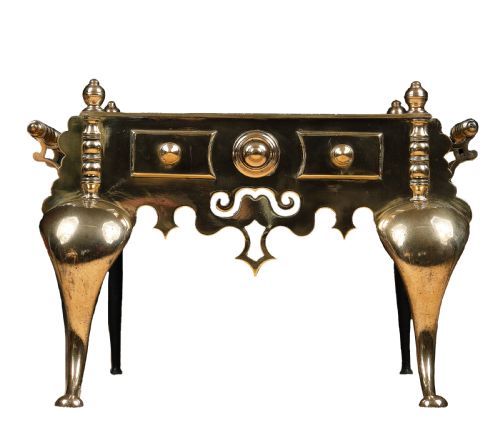
These hearth accessories served practical functions beside coal or wood fires, holding dishes or heating water in period domestic spaces. The selection ranges from simple steel footmen to heavier brass designs featuring cabriole legs and scalloped edges.
Origins span English and Welsh workshops, reflecting local metalworking traditions of the eighteenth and nineteenth centuries. Buyers encounter various utilitarian forms designed specifically for daily use near the fireplace.
How they were made
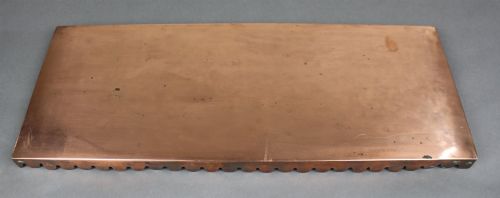
Makers combined brass and steel in many footmen, pairing bright brass plates with robust iron or steel frames. Wrought iron and copper also appear, shaped by hand for hearth use.
Woodworking traditions produced distinct pieces like the mahogany cat stand, utilising hardwood for turned supports and tiered frames. Metal components involved casting, hammering, and riveting to withstand daily heat.
Cat stands earned their curious name because their adjustable frames could curl up before the fire just like a sleeping cat.
What varies in quality
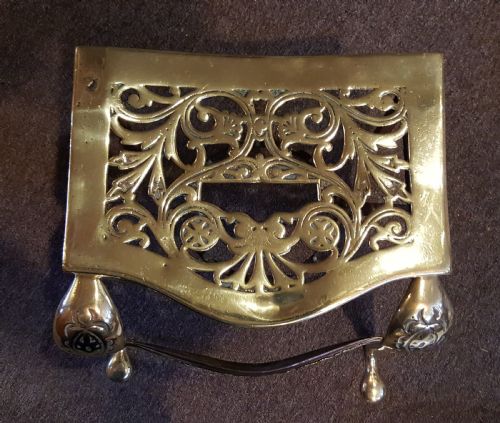
Subtlety of casting and thickness of metal distinguish different grades of footman, with heavier brass plates and solid steel legs showing greater substance. Finer pieces demonstrate careful attention to the piercing of brass tops and the shaping of cabriole supports.
The choice of materials alters the character of a piece, as seen in the contrast between utilitarian wrought iron and polished brass or figured mahogany. Condition and original integrity remain central, preserving the balance between decorative appeal and functional purpose.
The Georgian Fireplace Trivet Glossary
- Footman
- A metal stand placed by the hearth to hold kettles or keep food warm. These sturdy pieces usually feature a flat top and four legs.
- Cat stand
- A small wooden or mahogany stand, also known as a plate stand, used beside the fire. The design supports dishes or small vessels.
- Cabriole leg
- A curved furniture leg that swells outward at the knee and tapers inward at the foot. This form appears on certain refined brass footmen and stools.
- Hearthware
- Utilitarian metal objects designed for use around the fireplace. The category includes trivets, footmen, and warming plates.
Georgian Fireplace Trivet: Frequently Asked Questions
What is a georgian fireplace trivet?
A georgian fireplace trivet is a metal or wooden stand used beside the hearth to keep food and kettles warm.
These pieces reflect the domestic habits of the eighteenth and nineteenth centuries, combining utility with decorative metalwork.
How were footmen used by the fire?
Footmen stood directly in front of the hearth fire to support cooking vessels and plates.
Their elevated design allowed heat to circulate beneath the items placed upon them during meal preparation.
What metals are these pieces made from?
Common materials include brass, steel, iron, and copper, often used in combination.
Makers paired brass tops with iron frames to create durable accessories capable of enduring high temperatures.
Are wooden trivets authentic?
Wooden examples, such as mahogany cat stands, served similar warming purposes near the hearth.
Cabinetmakers utilised hardwoods to construct these tiered or pivoting stands for domestic use.