


Hearth Trivet Stand
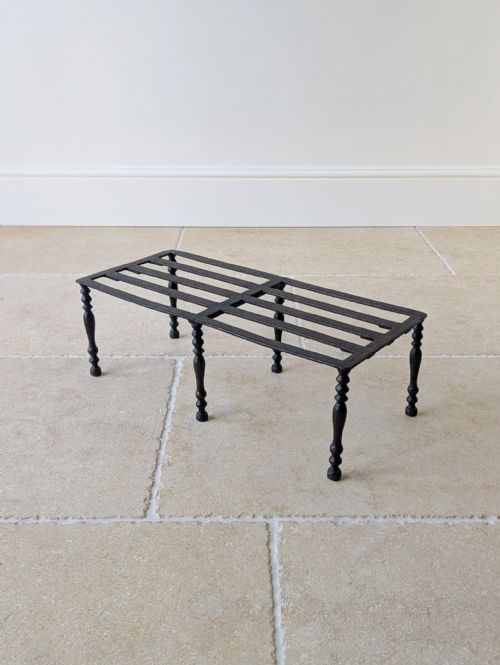
These hearth trivet stand examples are sturdy metal and wood fireplace accessories designed to hold kettles and plates near the flames.
Hearth Trivet Stand
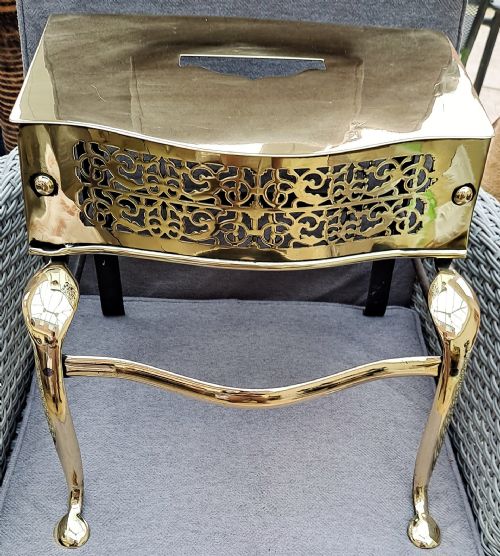
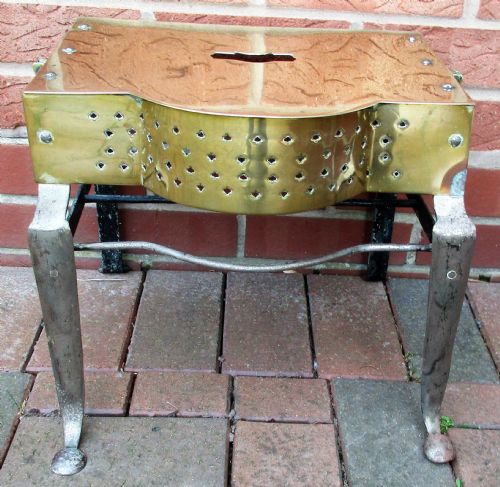
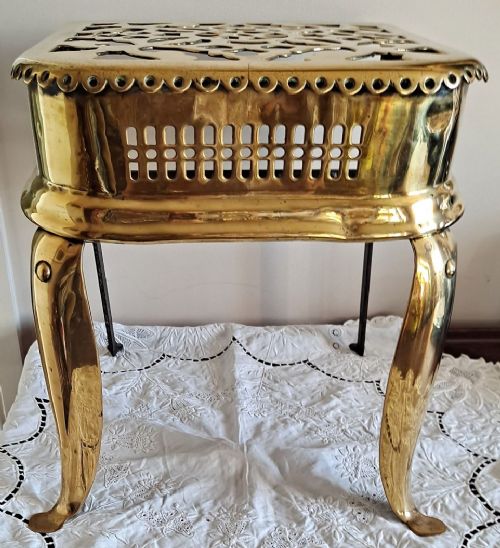
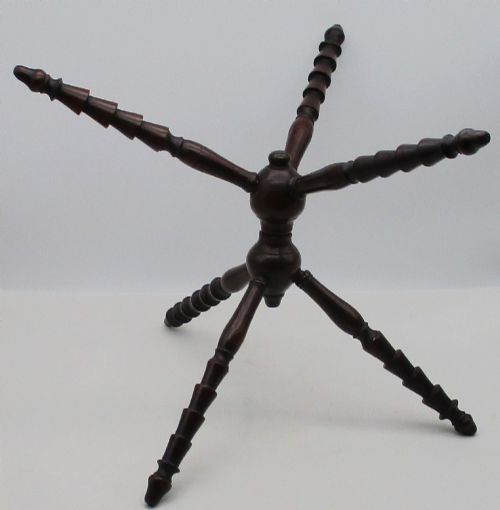
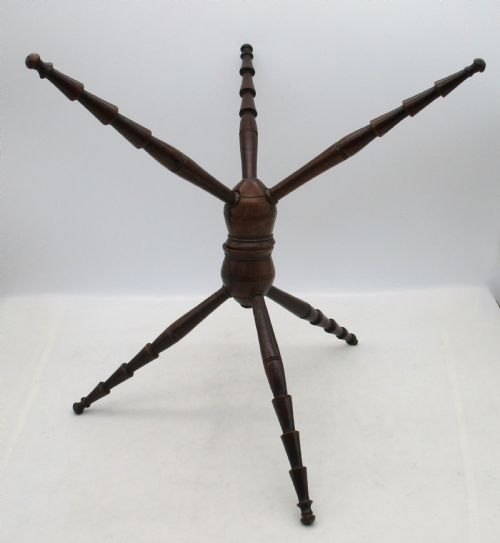
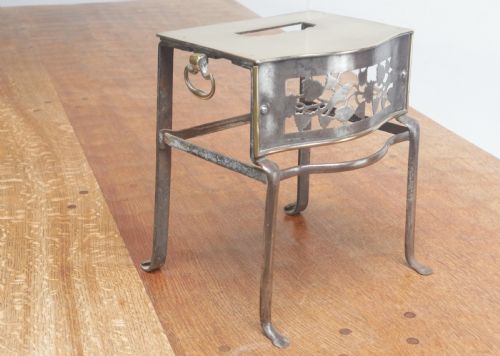
A hearth trivet stand sits by the fireplace to warm water and food close to the fire. You will frequently encounter heavy brass and steel footmen alongside mahogany cat stands from the Georgian, Victorian, and Regency periods on this page.
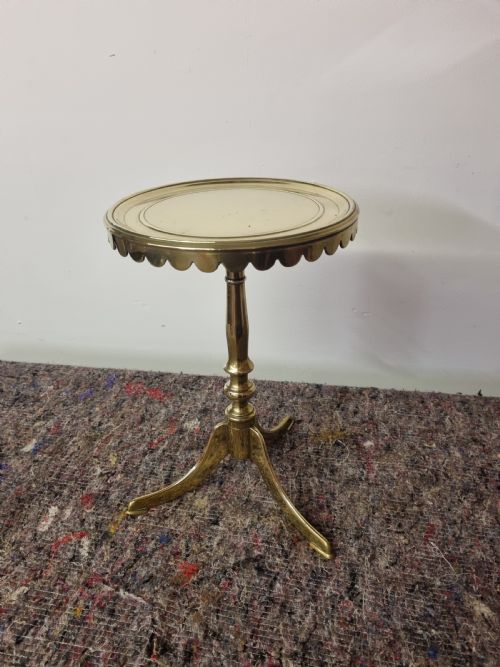
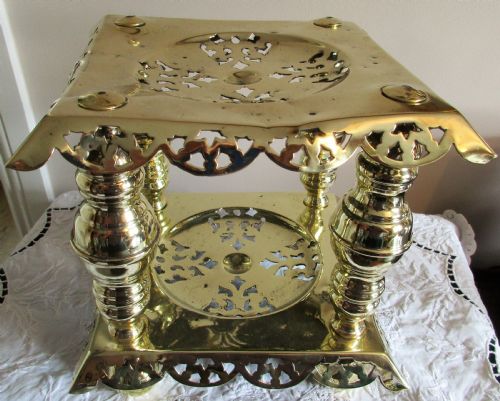
Makers shaped these utilitarian hearth accessories in various forms, including traditional footmen, rotating fire cats, and two-tier kettle stands. They served daily domestic duty in country houses and inglenook fireplaces before modern cooking ranges took over.
The selection ranges from small brass trivets to large Welsh and English footmen with cabriole legs. Each piece reflects the functional requirements of nineteenth-century domestic life and traditional hearthware design.
What varies in quality
The weight and gauge of the metal determine the substance of a brass and steel footman. Thicker plates and heavier cast components suggest superior metalworking skill and greater durability.
Joinery and turning distinguish finer wooden cat stands from simpler pieces. Well-executed cabriole legs and solid mahogany construction show superior craftsmanship compared to plain utility items.
Listings feature items spanning the Georgian, Victorian, Edwardian, and Regency periods, constructed from brass, steel, iron, and mahogany.
The Hearth Trivet Stand Glossary
- Footman
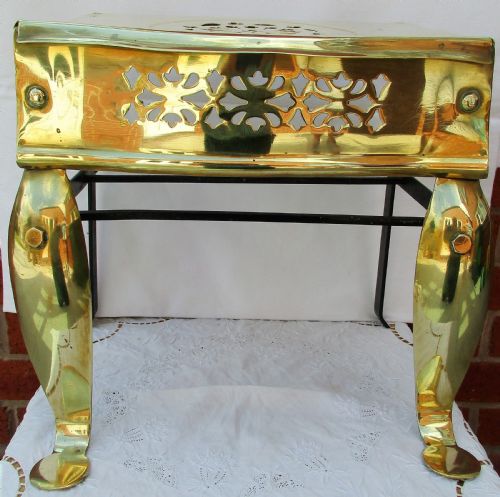
- A metal stand placed in front of a fireplace to hold a kettle or keep plates warm. These sturdy pieces typically feature four legs and a flat top plate.
- Fire cat
- A rotating wooden or metal stand used beside the hearth for warming dishes. The revolving design allowed users to adjust the position of items near the fire.
- Trivet
- A small support stand raised on feet, used for holding cooking vessels above the hearth floor. They appear in brass, iron, and steel across the eighteenth and nineteenth centuries.
- Cabriole leg
- A furniture leg that curves outward and then tapers inward, ending in a pad or foot. This stylistic feature appears on certain Georgian brass porter and footman stools.
Hearth Trivet Stand: Frequently Asked Questions
What is a hearth trivet stand used for?
These stands kept kettles hot and warmed plates directly beside the fireplace in period homes. They provided a stable raised surface close to the flames for food preparation and service.
Domestic staff utilised them daily in inglenook fireplaces and kitchens before the widespread adoption of modern stoves. Their sturdy metal and wood construction handled heavy cast iron and copper vessels with ease.
How do I tell Georgian from Victorian pieces?
Georgian pieces often display simpler, robust lines in wrought iron and heavy brass, dating from the eighteenth century. Look at the leg profiles and metal finishing for clues to the period.
Victorian items frequently introduce more ornate brass casting and two-tier designs. Examining the construction methods and material patination helps clarify the age of each footman.
Are mahogany cat stands stable near fires?
Hardwood cat stands utilised dense timber like mahogany to resist the dry heat of the hearth. Their balanced three or four-legged designs provided a secure platform for plates.
Rotating mechanisms allowed users to turn dishes without moving the entire stand. Regular polishing helped protect the timber from drying out over decades of use.
Where were these metal footmen made?
English and Welsh workshops produced the majority of these brass and steel footmen during the eighteenth and nineteenth centuries. Regional metalworking traditions influenced the specific weight and decorative piercing of the top plates.
Dutch makers also contributed distinct pear-shaped kettle stands and trivets to the domestic market. Local foundry practices determined whether a piece was cast in solid brass or built with a steel frame.