





Antique Metal Trivet
These antique metal trivet pieces are sturdy hearth accessories designed to hold kettles or dishes near the fire, offering practical utility and period character.
Antique Metal Trivet
When you search for an antique metal trivet, you encounter sturdy hearth accessories and kettle stands designed to support hot vessels near the open fire. These items served a daily domestic purpose in homes before modern ranges, positioning pots at the correct height for warmth or boiling.
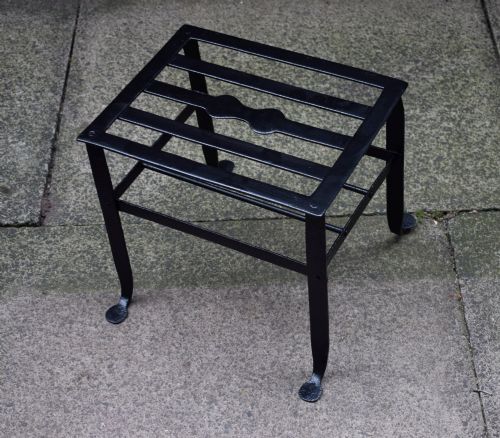
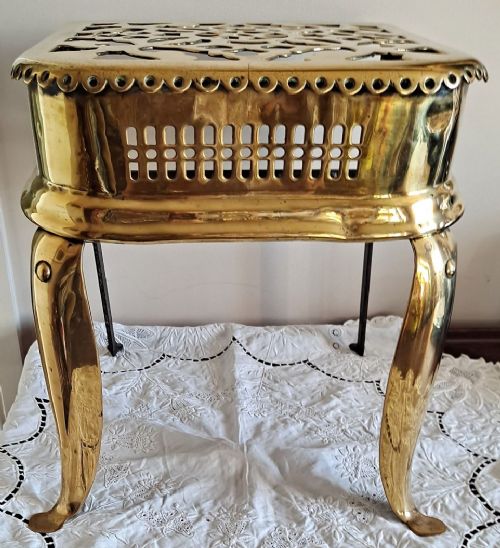
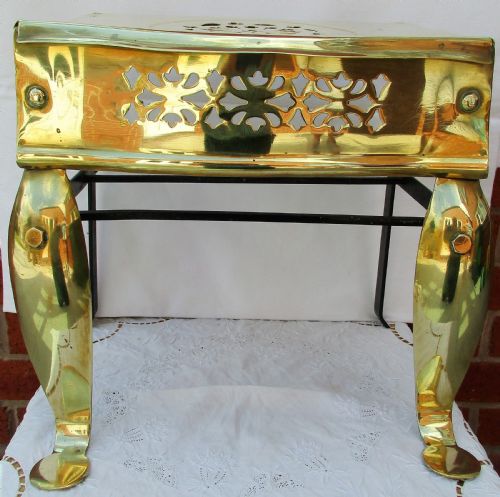
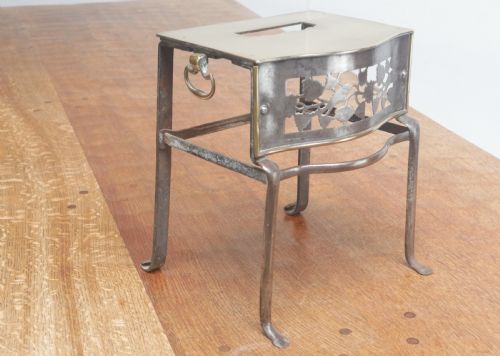
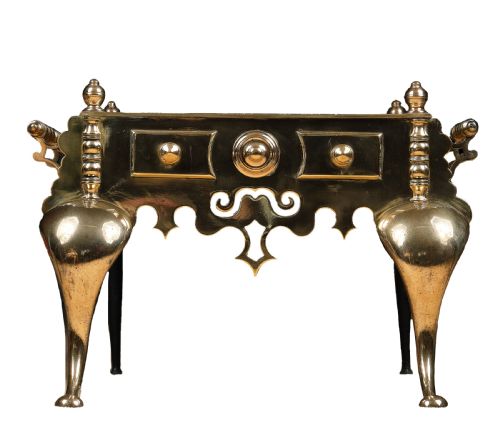
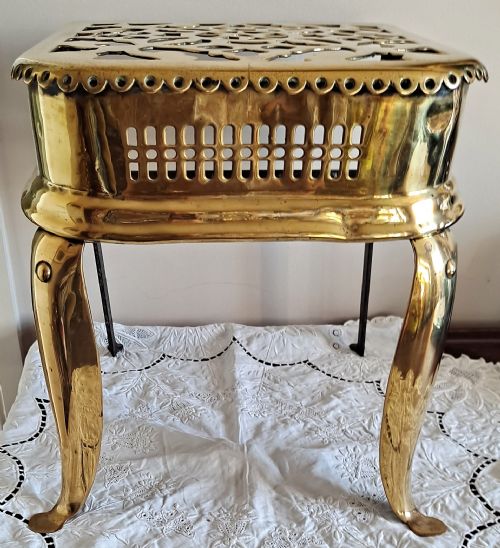
The versions most commonly met on this page include traditional footmen, kettle stands, and hearth plates originating from the Georgian, Victorian, and Edwardian eras. They appear in forms ranging from simple square steel frames to ornate brass shapes with pierced tops.
Origin details in the evidence point to English, Welsh, French, and Dutch workshops, showing that domestic hearth practices varied slightly across regions. A buyer typically selects one to anchor a fireplace setting or to bring tactile history into a living space.
How they were made
These items were constructed using durable metals suited to daily exposure to heat, predominantly brass, iron, and steel, often complemented by wood handles or copper bodies. Blacksmiths and founders shaped the iron and steel for structural strength while casting or hammering brass and copper for decorative tops and plates.
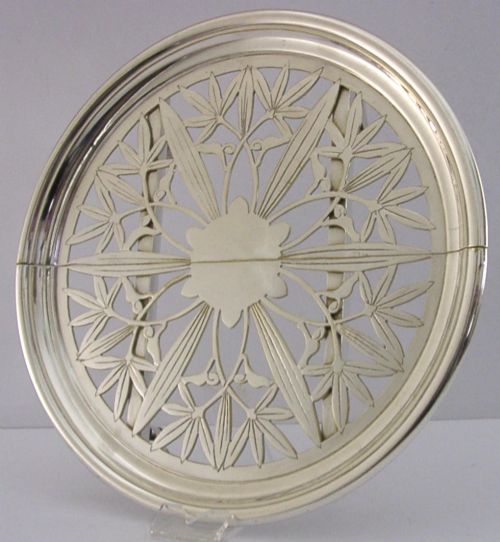
Techniques combined forging and casting, with pierced designs cut into metal plates to allow heat to circulate beneath kettles and serving dishes. Silver plating also appears on later pieces, adding a refined surface finish to decorative serving stands.
Antique Metal Trivet Retail Price Guide 2026
Typical asking prices for metal trivet among the pieces listed under this phrase on Sellingantiques today, from the lower quarter to the upper quarter. They describe what is for sale here now, not the wider market.
Object types seen on this page range from traditional footmen and kettle stands to hearth plates, coasters, and serving dish stands.
What varies in quality
Quality in these items is determined by the weight and thickness of the metal used in the frame and top plate, as heavier pieces offer greater stability by the hearth. The crispness of pierced decoration and the integrity of joined components separate standard utilitarian items from finer examples.
Proportion and balance also distinguish the better pieces, ensuring that legs and handles remain sturdy and symmetrical. Material combinations, such as balanced brass aprons fitted to solid steel frames, indicate a higher level of workshop execution.
The Antique Metal Trivet Glossary
- Kettle stand
- A raised platform specifically designed to hold a boiling vessel near the fire. These often feature two tiers or a pear shape.
- Pierced work
- Metal perforated with decorative patterns to let heat pass through. This technique lightened the weight while adding visual detail.
- Hearth plate
- A flat metal sheet placed near the fire to hold cooking vessels. They often feature scalloped edges and polished copper surfaces.
Antique Metal Trivet: Frequently Asked Questions
What is a footman?
A footman is a traditional metal stand placed in front of a fireplace to hold heavy pots, kettles, or serving dishes near the heat. They were standard equipment in historical kitchens and parlours.
They usually combine a polished brass top plate with sturdy iron or steel legs, built to withstand daily use by an open hearth.
How were trivets used?
Trivets were positioned on or near the hearth to support kettles, teapots, and warming dishes at a safe and effective distance from the flames. This kept water hot or meals warm without scorching.
Over time, many of these utilitarian items transitioned into decorative display pieces within period fireplace settings.
What metals are most common?
Brass and steel appear most frequently, often paired together on a single stand for decorative contrast and structural strength. Iron, copper, and silver plate are also found.
Each metal served a distinct purpose, with iron providing robust support and brass or copper offering a polished surface facing the room.
How do I date an antique trivet?
Dating relies on observing stylistic markers such as Georgian proportions, Victorian pierced brass patterns, or later Art Deco lines. Manufacturing techniques also provide clues to the period of origin.
Comparing the materials, edge details, and overall form against documented examples helps place a piece within its correct century.