







Georgian Brass Trivet
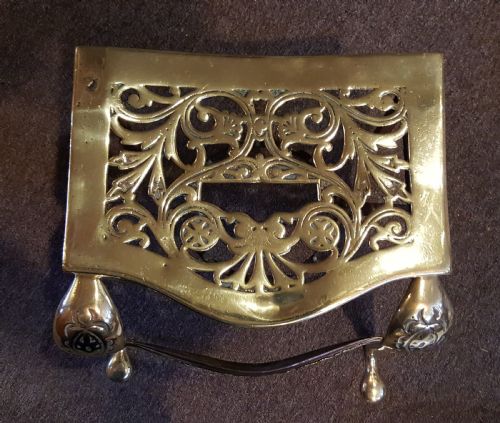
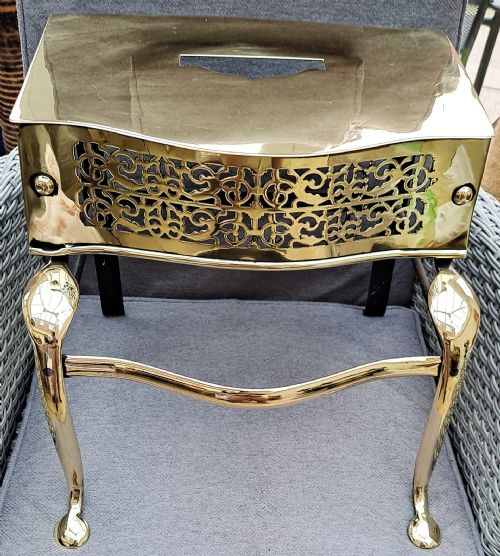
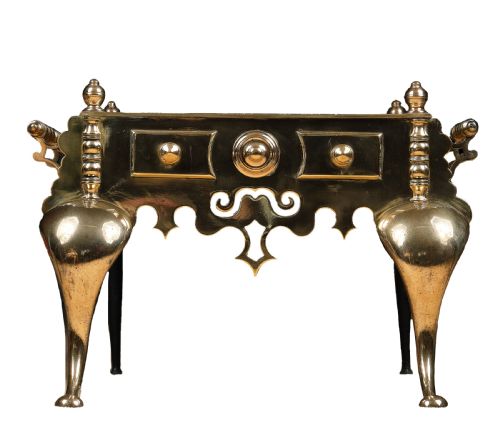
These georgian brass trivet pieces are fireside footmen and kettle stands designed to keep pots warm by the hearth.
Georgian Brass Trivet
A georgian brass trivet is a hearth accessory made to stand near an open fire for warming kettles or food. You will most frequently encounter footmen and tripod stands featuring brass tops combined with iron or steel legs.
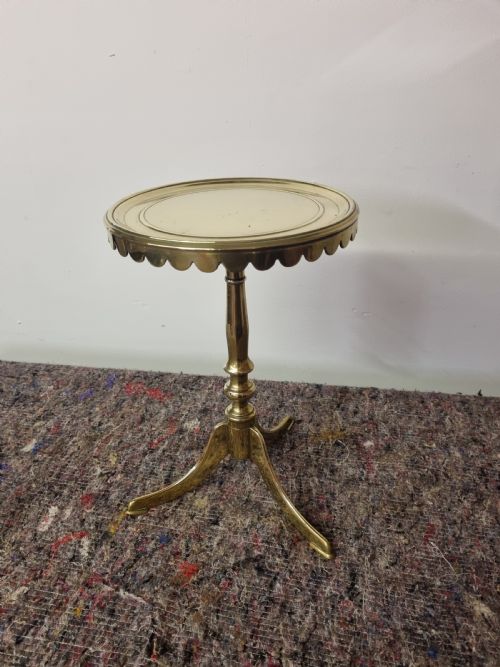
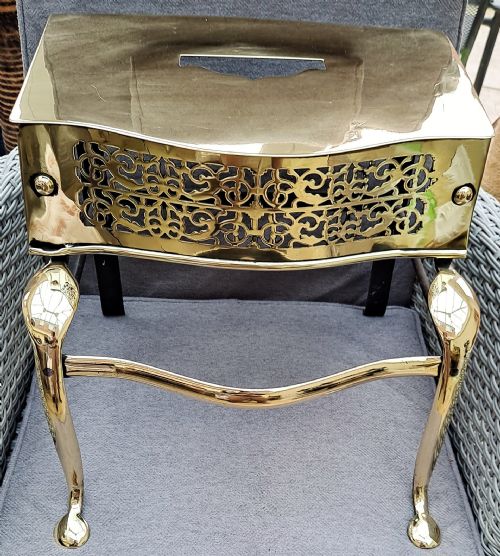
The objects span periods from the eighteenth century through the nineteenth century, including Regency and Victorian examples. Forms range from simple flat-topped stools with cabriole legs to miniature tripod tables and pierced designs.
How they were made
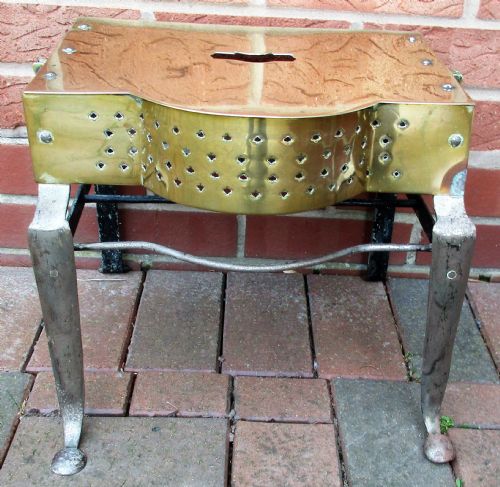
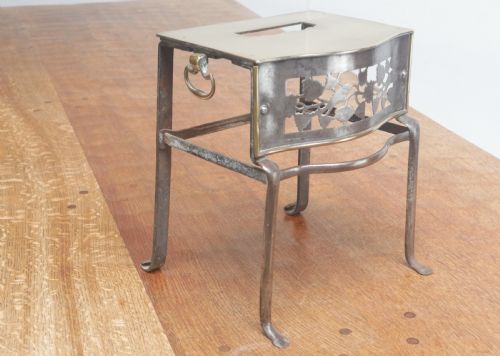
Maker's workshops utilised cast brass for the decorative tops and plates, often piercing the metal in geometric or floral patterns. Wrought iron and steel were employed for the structural legs and supports to withstand the heat of the hearth.
Construction methods combined casting with hand-forging, joining brass tops to iron frames using rivets or screws. The materials reflect practical fireside utility combined with domestic ornamentation.
Georgian Brass Trivet Retail Price Guide 2026
Typical asking prices for georgian brass trivet among the pieces listed under this phrase on Sellingantiques today, from the lower quarter to the upper quarter. They describe what is for sale here now, not the wider market.
One miniature tripod table version brings the elegance of a full-sized parlour directly down to the hearth.
What varies in quality
Quality depends upon the weight of the casting and the crispness of any pierced or engraved decoration on the brass top. Heavier pieces with substantial cast brass plates and well-formed cabriole legs sit at the higher end of the range.
The material combination also dictates character, as pieces integrating both cast brass and forged steel elements demonstrate greater complexity in their original manufacture.
The Georgian Brass Trivet Glossary
- Footman
- A metal stand placed by the fireplace to hold kettles or dishes. These items often feature four legs and a flat top.
- Trivet
- A small support raised on feet, used beside the hearth for keeping food or water warm. They appear in tripod and four-legged formats.
- Cabriole legs
- Legs curving outward at the knee and inward at the ankle. This shape appears on several footman stool designs.
- Inglenook
- A recess built around a fireplace. Accessories were designed specifically to fit within these large hearth spaces.
Georgian Brass Trivet: Frequently Asked Questions
What is a brass footman?
A brass footman is a type of fireside stand used in Georgian and Regency homes to hold kettles or warm dishes close to the fire.
They typically feature a brass top plate combined with iron or steel legs to handle the heat of the hearth.
How were trivets used?
These pieces sat near the open fire to keep water hot or food warm before serving.
Their elevated design kept pots safely above the ash and embers while utilising the warmth of the coal or wood fire.
What materials are used?
The pieces combine cast brass for the decorative tops with iron or steel for the structural legs.
Some examples also incorporate wrought iron components alongside the primary brass elements.
How do I date a trivet?
Dating relies on stylistic clues like cabriole legs, pierced brass patterns, and overall construction methods.
Pieces span the Georgian and Victorian periods, with materials and forms shifting gradually across the nineteenth century.