



Brass Tripod Side Stand
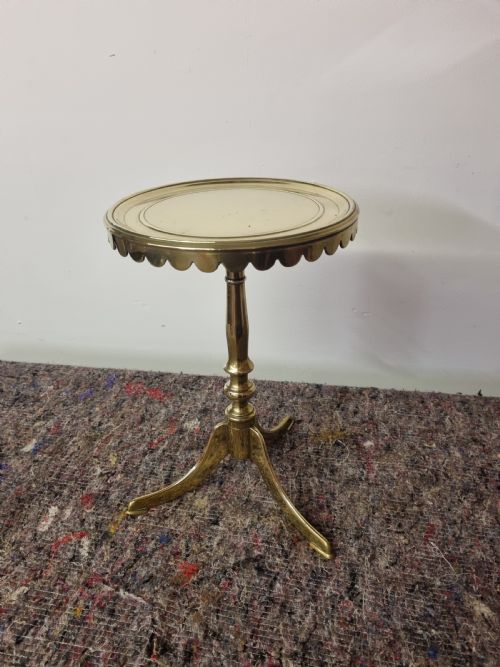
A brass tripod side stand brings compact elegance and functional mobility to a room, offering a sturdy yet slender surface for lamps, drinks or display.
Brass Tripod Side Stand
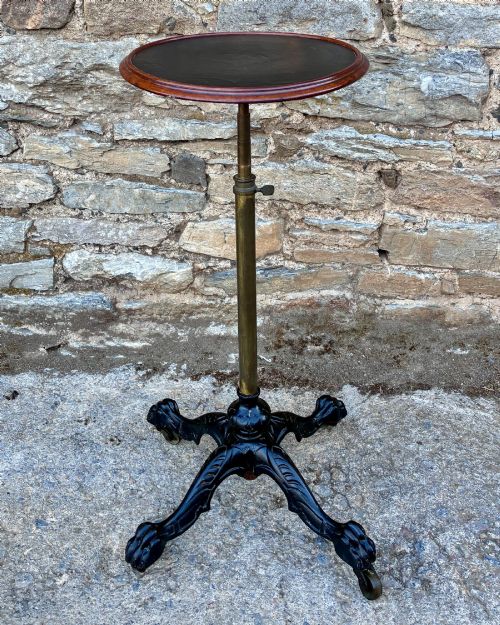
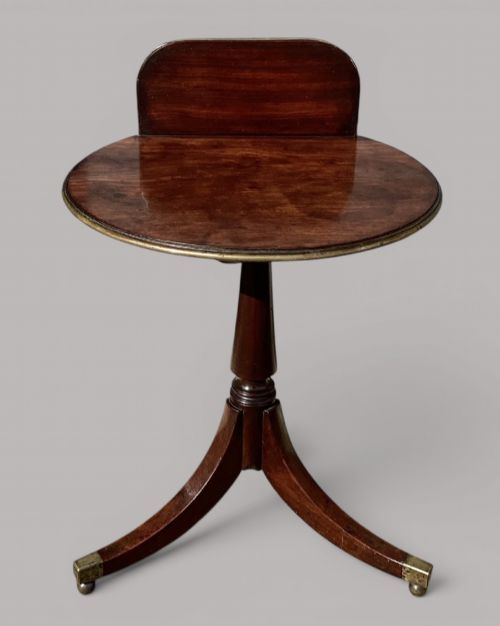
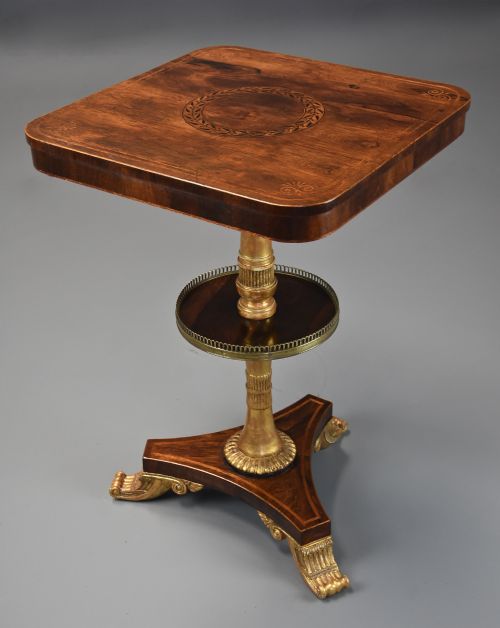
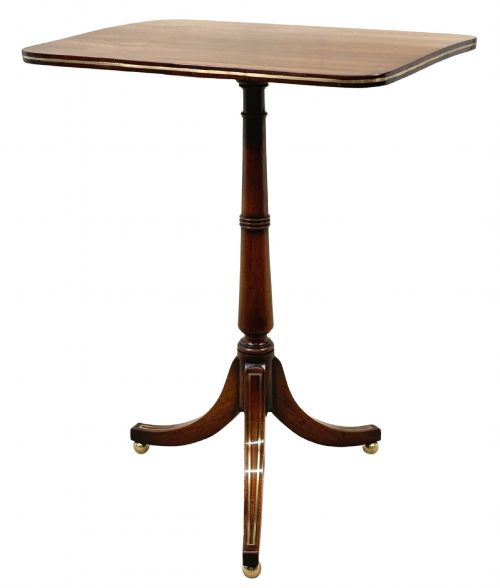
A brass tripod side stand is fundamentally an occasional table or display stand supported by three legs, combining brass with timbers like mahogany, rosewood and walnut. The selection on this page spans several distinct periods, including Georgian, Regency, Victorian and 1920, reflecting diverse historical tastes in domestic furniture.
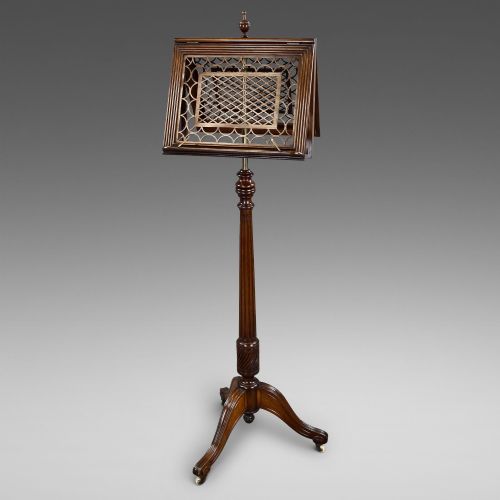
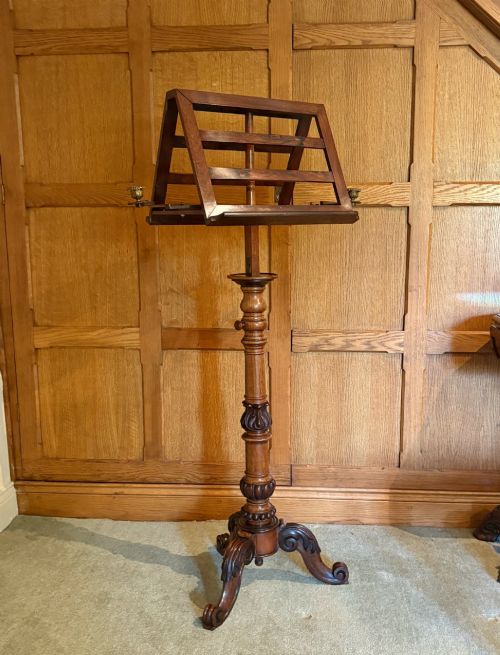
The forms vary considerably across the pieces, encompassing occasional tables, music stands, display stands, etageres and fireside accessories such as trivets. You are most likely to encounter compact occasional tables and adjustable stands featuring central brass pillars or tripod bases suited to domestic use.
Materials and construction methods
Construction relies heavily on casting and turning brass, often paired with dense hardwoods such as mahogany and rosewood. Artisans utilised brass inlay, known as brass stringing, alongside cast brass components to create durable and decorative framework.
Makers incorporated specialist mechanisms for adjustable heights and pivoting tops, particularly in music stands and display stands. Secondary materials such as onyx tops, engraved copper trays, glass and giltwood also appear, demonstrating varied cabinetmaking and metalworking techniques.
Distinctions in quality and execution
Quality in these pieces is dictated by the crispness of the brass casting and the precision of the timber joinery. Finer examples display meticulous brass stringing, well-turned central columns and stable, balanced tripod feet without rocking.
The choice of materials significantly elevates a piece, with figured rosewood, rich mahogany and inset onyx or engraved copper trays marking superior production. Integrated adjustable mechanisms that operate smoothly and securely also separate standard utility items from higher-grade workshop output.
GILLOWS·George Bullock·Halls Patent
The Brass Tripod Side Stand Glossary
- Tripod base
- A furniture support consisting of three legs radiating from a central pillar. This design provides natural stability on uneven floors.
- Brass stringing
- Fine lines of brass inlaid into grooves cut into the wooden surface. It is typical of Regency cabinetwork to highlight the grain.
- Occasional table
- A small, movable table designed for a specific, transient use in a room. Examples include lamp tables and wine tables.
- Duet stand
- An adjustable stand historically intended to hold sheet music for two musicians. They often feature pivoting ledges and extendable height columns.
- Galleried top
- A raised rim or border surrounding the edge of a table surface. This feature prevents items from rolling off.
Brass Tripod Side Stand: Frequently Asked Questions
What is a brass tripod side stand used for?
These versatile pieces serve as compact surfaces for holding lamps, drinks, books or decorative objects within a living space.
Their lightweight design allows them to be moved easily between rooms to suit immediate domestic needs.
How do I identify a Regency period stand?
Regency pieces often incorporate dark timbers like rosewood enhanced with precise brass stringing or inlay.
They frequently feature classical proportions, sabre legs or distinctive central pillars resting on tripartite platform bases.
Are adjustable stands stable?
Adjustable stands utilise internal wooden or metal screws and pins to alter height securely.
When properly maintained, the three-legged base provides a firm foundation despite the movable central column.
How do I care for brass and rosewood?
Maintain the timber surfaces by applying appropriate furniture wax occasionally to nourish the grain and prevent drying.
Clean brass components gently with a dry or very lightly dampened cloth to preserve their finish without harsh chemical abrasives.