
18th Century Brass Stand
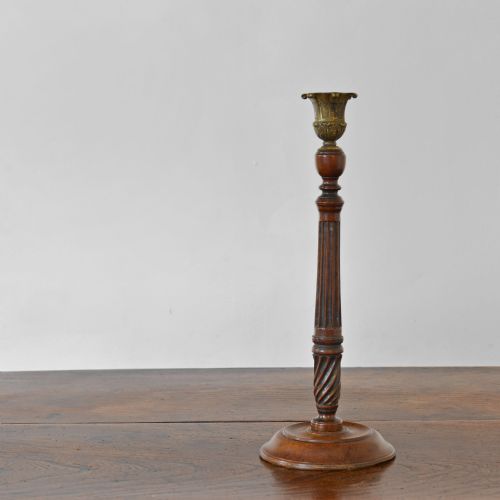
An 18th century brass stand brings domestic utility from the Georgian period into modern rooms through heavy cast metal and warm timber.
18th Century Brass Stand
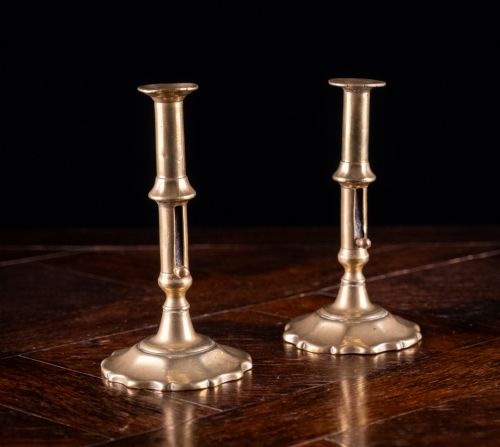
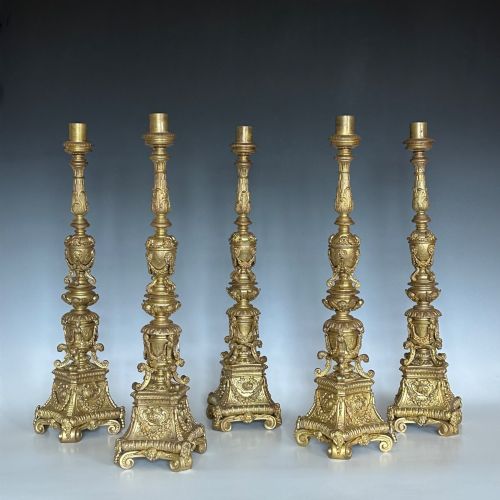
When searching for an 18th century brass stand, collectors encounter a focused selection of fireplace accessories, candlesticks, and furniture fitted with metal mounts.
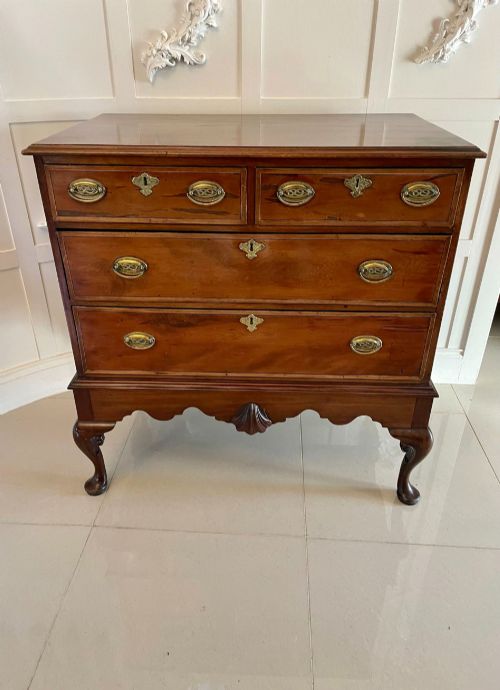
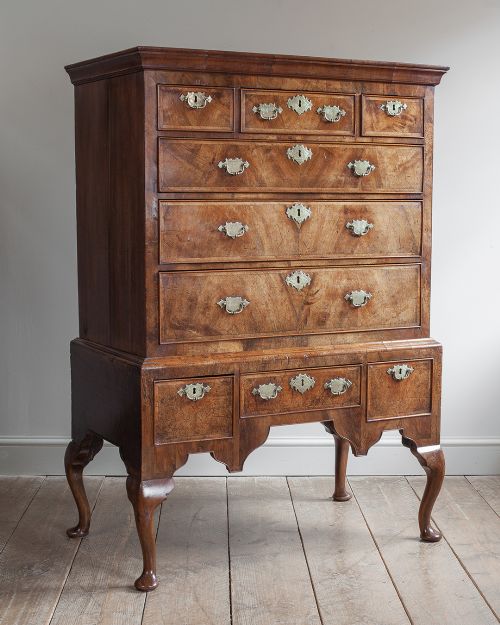
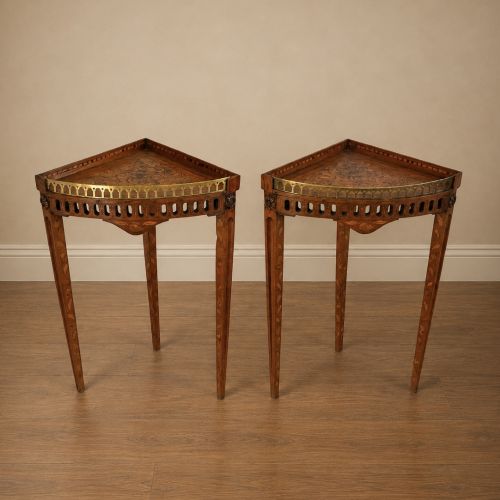
The objects appearing under this description range from cast brass trivets and footmen used beside the hearth to occasional tables and chests raised upon legs.
Many items combine heavy brass components with native and exotic woods such as mahogany, oak, and walnut, reflecting the domestic metalwork and cabinetry of the Georgian era.
How they were made
Metal items from this period rely on casting techniques, where molten brass poured into sand or metal moulds created candlesticks, trivets, and footmen with distinct seams.
Wooden furniture elements utilise solid mahogany, oak, and walnut, often joined with traditional cabinetmaking methods and finished with brass carrying handles, galleries, or bindings.
Listings feature 18th-century pieces constructed from brass, mahogany, oak, walnut, glass, and steel across Georgian and Victorian periods.
What varies in quality
The standard of an item depends heavily on the crispness of the cast brass detailing and the thickness of the metal used in its construction.
Cabinet pieces show quality through the selection of timber veneers, the precision of marquetry inlay, and the integration of original brass hardware rather than later replacements.
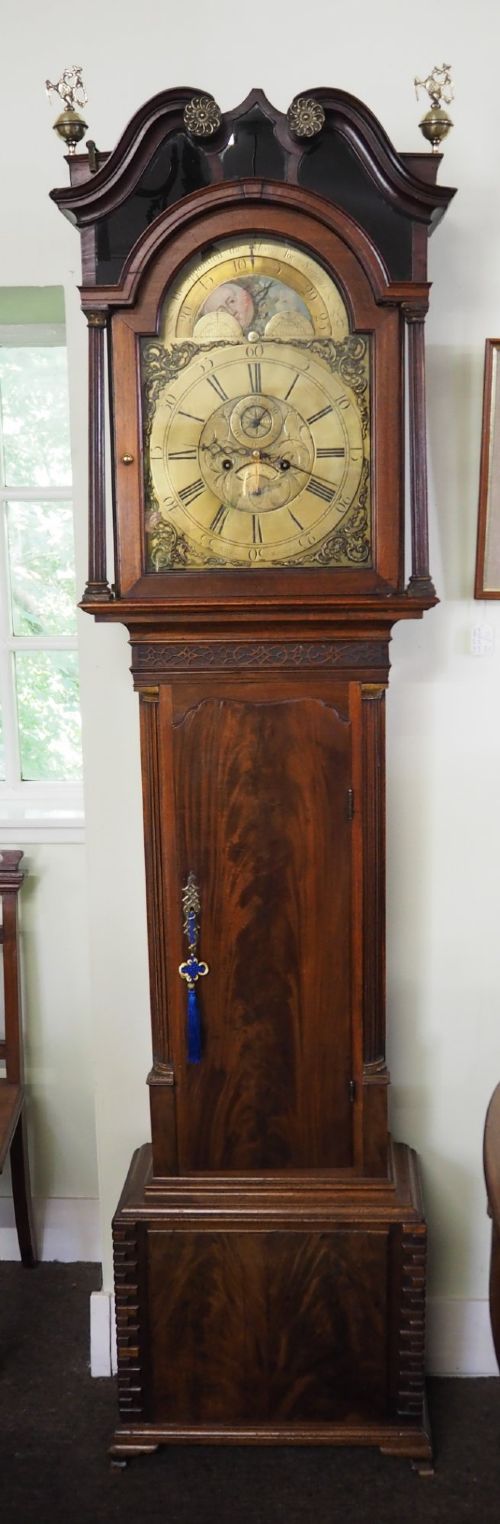
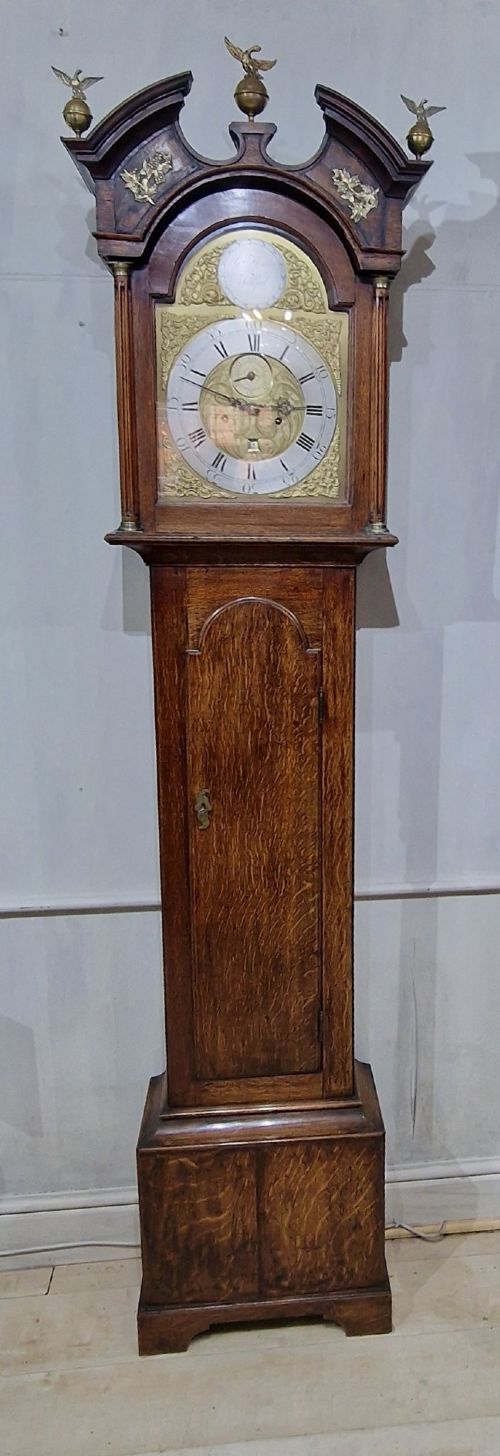
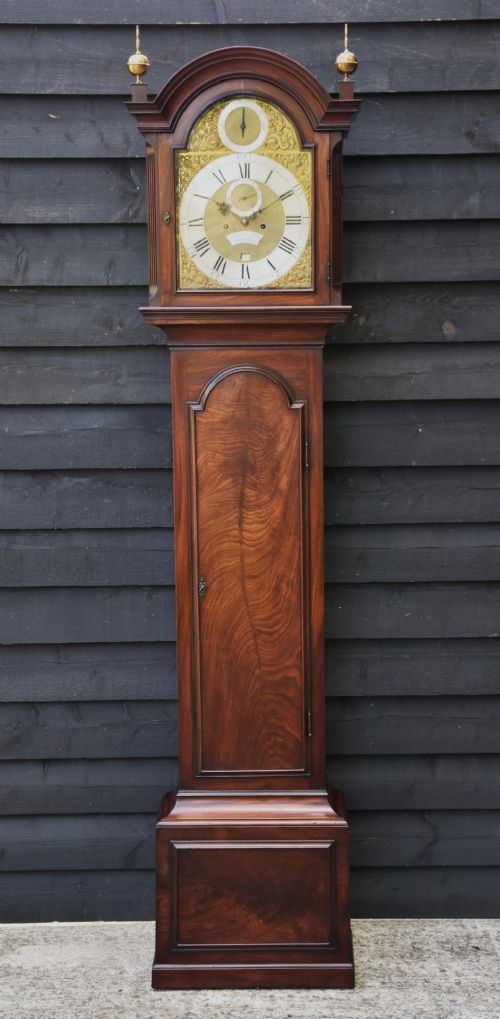
Lee of Great Marlow·Richard Corless of Stockport·James Hendrie Falkirk·Fisher Of Preston·Benjamin Taylor·Windmills and Wightman·Rickards Wotton Under Edge
The 18th Century Brass Stand Glossary
- Cast brass
- Metal shaped by pouring molten alloy into a mould rather than beating it from a sheet. This process allows for heavier, more robust fireplace equipment and candlesticks.
- Footman
- A metal stand placed before a fireplace to keep dishes warm. These pieces combine brass tops with iron or steel legs.
- Trivet
- A small three-legged metal stand used to support kettles or pots near the hearth. Georgian examples frequently utilise heavy cast brass.
- Wine cooler
- A vessel lined for ice and bottles, often constructed from mahogany and bound with brass hoops. Some versions sit upon dedicated wooden stands.
- Marquetry
- The art of applying pieces of veneer to a structure to form decorative patterns. This technique appears on tabletop surfaces and cabinet doors from the period.
18th Century Brass Stand: Frequently Asked Questions
What is an 18th century brass stand used for?
These pieces served practical household functions in Georgian homes, ranging from supporting kettles by the fire to holding candles or elevating wine coolers.
Today, they function as decorative accent furniture or tabletop accessories that bring period character into living spaces.
How do I identify a Georgian brass stand?
Look for heavy cast construction techniques, patinated surfaces, and material combinations typical of the 18th century, such as brass paired with mahogany, oak, or walnut.
Maker signatures or specific casting seams often help confirm the period of origin.
Where should I place a brass and wood stand?
Smaller trivets and hearth stands suit traditional fireplace settings or display surfaces, while larger pieces like wine coolers or occasional tables work well as freestanding centrepieces.
Keep them away from direct heat sources to protect the aged timber and metal surfaces.
Are these stands made entirely of brass?
Many items combine cast brass with structural elements of wood, iron, or steel, particularly in pieces like footmen, chests on stands, and cellarettes.
Candlesticks and trivets tend to feature more solid brass construction throughout their primary components.