



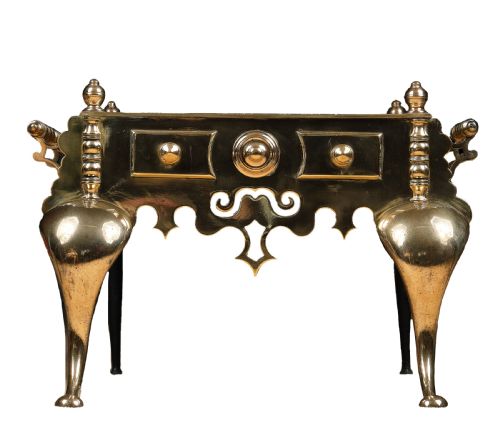


Georgian Fireside Stand
A georgian fireside stand brings functional warmth and period craft to the hearth, offering adjustable screens, trivets, and footmen shaped by centuries of use.
Georgian Fireside Stand
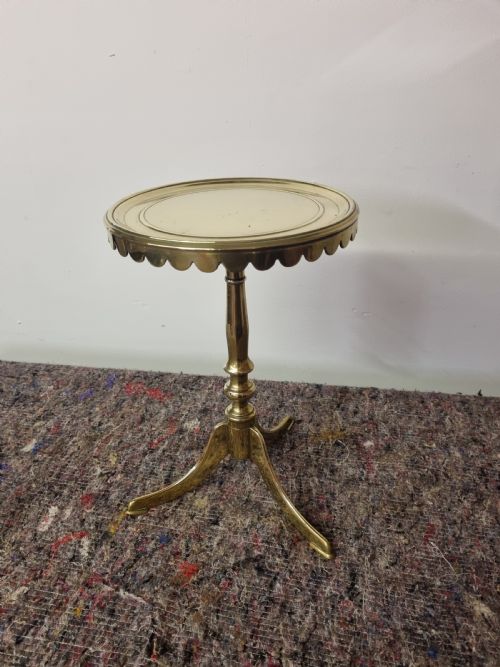
When you search for a georgian fireside stand, you encounter a selection of hearth accessories spanning the Georgian, Regency, and Victorian eras. These functional objects include brass and steel footmen, rotating fire cats, adjustable pole screens, and cast brass trivets designed to manage heat and light.
The pieces on this page lean heavily towards English and Welsh metalwork alongside adjustable pole screens featuring needlepoint tapestry. Mahogany appears in rotating fire cats and fire screens, while brass and iron dominate the stands and footmen used near the grate.
How they were made
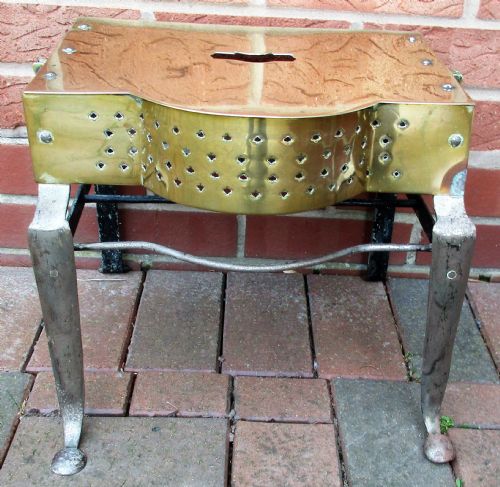
Metalwork pieces rely on cast brass and wrought iron, forged and assembled to withstand high hearth temperatures. Footmen and trivets utilise sturdy iron frames topped with polished brass plates or pierced tops.
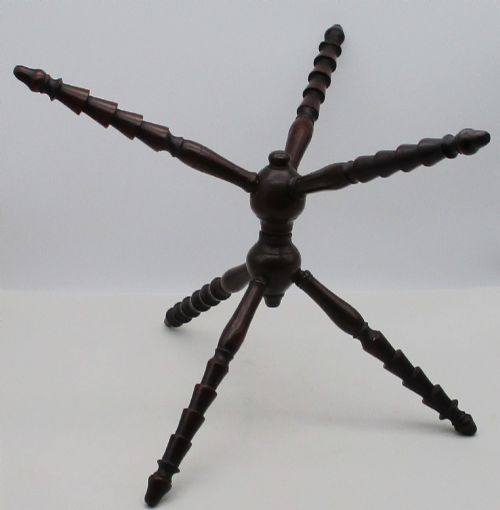
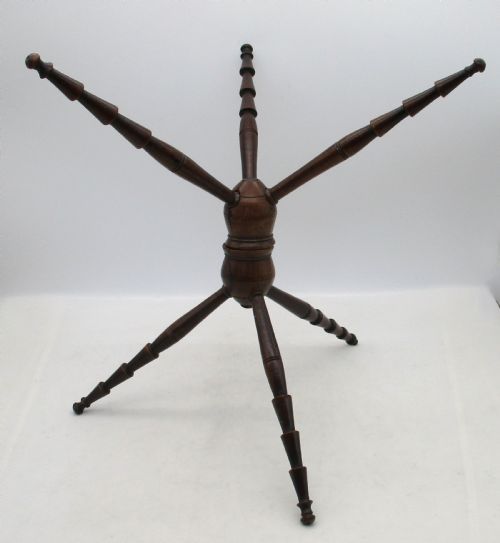
Wooden items, particularly mahogany stands and fire cats, demonstrate fine turning and joinery. Pole screens incorporate adjustable mechanisms that hold needlepoint tapestries securely within carved frames.
Georgian Fireside Stand Retail Price Guide 2026
Typical asking prices for georgian fireside stand among the pieces listed under this phrase on Sellingantiques today, from the lower quarter to the upper quarter. They describe what is for sale here now, not the wider market.
Periods represented span Georgian, Regency, William IV, and Victorian eras.
What varies in quality
Quality rests upon the crispness of the casting in brass trivets and footmen, where sharper pierced designs indicate superior workshop output. The weight of the metal and the integrity of the joins separate robust hearth furniture from lighter domestic pieces.
For pole screens and fire cats, the refinement of the mahogany turning and the preservation of the original needlepoint tapestry dictate the standard. Mechanism smoothness in adjustable components further distinguishes finer examples.
The Georgian Fireside Stand Glossary
- Footman
- A metal stand placed by the hearth to keep food warm or heat water. These pieces often feature pierced brass tops and sturdy iron legs.
- Fire Cat
- A rotating fireside stand used to support kettles or dishes near the fire. They allow the user to turn the vessel without lifting it.
- Pole Screen
- An adjustable fireside screen with a vertical wooden pole and a sliding shield. They were positioned to block radiant heat from the face.
- Trivet
- A small three-legged metal stand used for cooking or boiling water by the fireplace. They are typically cast in brass or forged in iron.
- Needlepoint
- A type of canvas work embroidery used on historical fire screens. These tapestries display decorative floral or geometric patterns.
Georgian Fireside Stand: Frequently Asked Questions
What is a footman used for?
A footman sits directly in front of the fireplace to keep kettles and dishes warm. Its elevated metal surface utilises the heat radiating from the open hearth.
Historically, these stands formed an essential part of the kitchen and parlour setup before closed ranges became common. Their sturdy construction allowed them to bear heavy iron cookware safely.
What metals are these stands made from?
Hearth stands primarily combine brass and iron. Brass provides a bright, polished surface for the top plates, while wrought iron forms the strong structural frames.
Some pieces incorporate steel components for added durability. Cast brass appears frequently in decorative trivets and footman legs.
How do I date a fireside stand?
Dating relies on stylistic markers such as Regency curves, Georgian proportions, or William IV turning details. Material combinations and manufacturing techniques also point to specific decades.
Examining the wear patterns and the method of metal casting helps confirm the period of manufacture. Surviving examples often span from the mid-eighteenth century through the nineteenth century.