
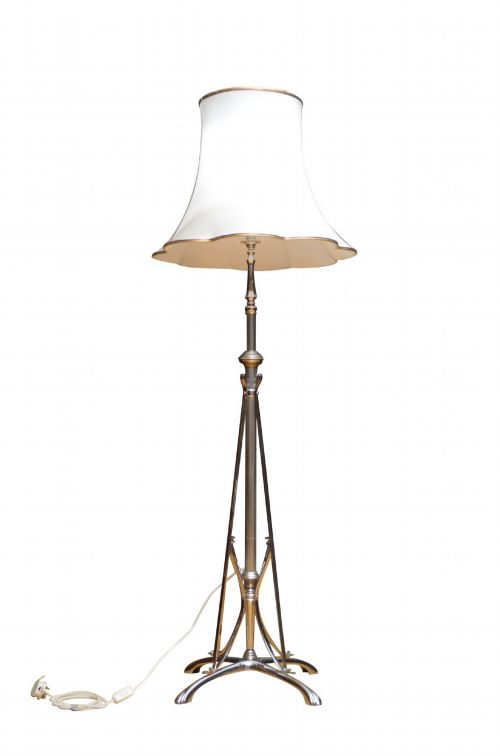


Scalloped Brass Stand
These scalloped brass stand examples combine functional metalwork and period design, offering immediate decorative charm for traditional interiors.
Scalloped Brass Stand
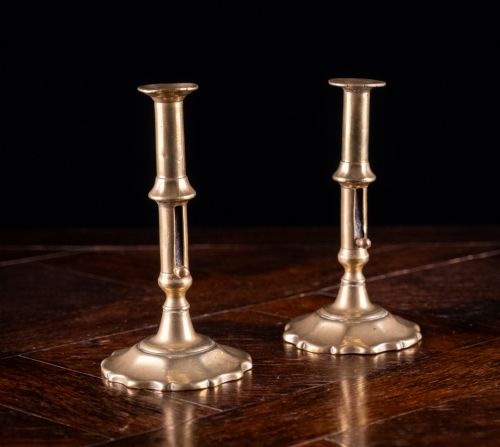
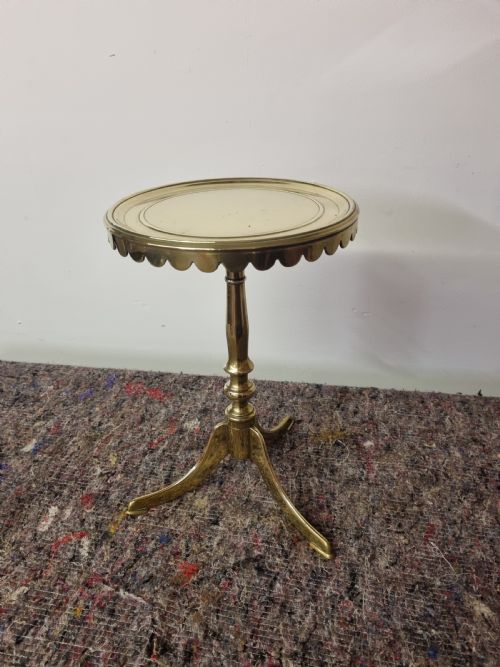
A scalloped brass stand encompasses various metalwork items featuring shaped or petal-rimmed profiles, drawing primarily from eighteenth-century and nineteenth-century traditions. Buyers exploring this phrase will encounter domestic accessories that range from heavy cast candlesticks to fireside trivets.
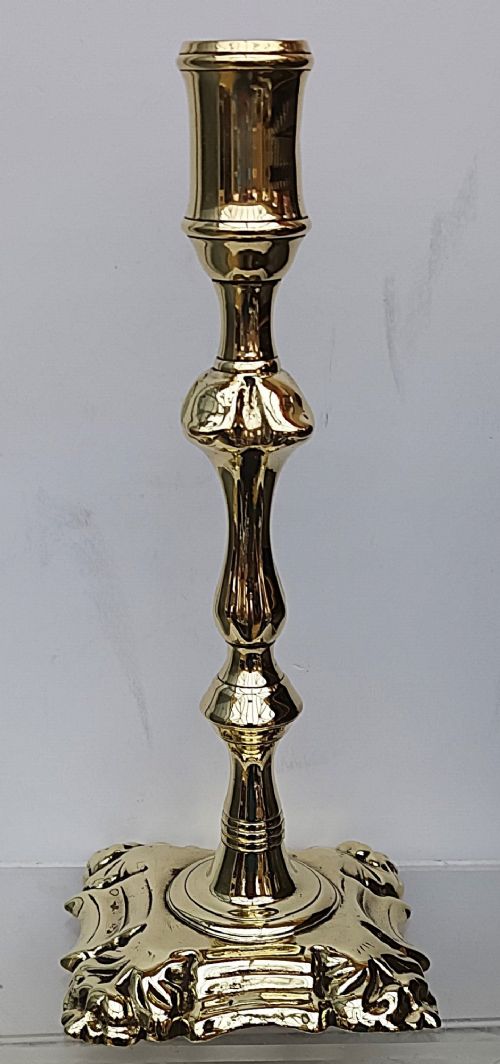
The selections on this page lean heavily toward Georgian candlesticks with petal or shaped bases alongside functional hearth furniture. Each piece reflects period utility blended with decorative casting techniques characteristic of English and continental workshops.
Materials and Manufacture
Metalworkers utilised brass and cast brass to achieve sturdy forms, often enhancing decorative items with ormolu or gilt metal finishes. Shaping required precise casting methods to produce the characteristic lobed and petalled rims seen on early examples.
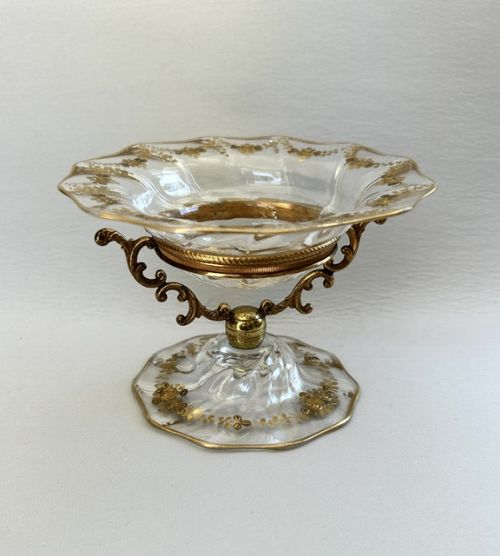
Makers occasionally combined the primary metal body with secondary materials like glass or fabric, particularly in later decorative vessels and lighting fixtures. The resulting construction ensured both durability for everyday household use and ornamental appeal.
The listings on this site span multiple centuries, ranging from eighteenth-century Georgian items to early twentieth-century Arts and Crafts and Art Deco productions.
Evaluating the Pieces
Quality rests upon the crispness of the casting and the retention of the original surface patination, which together separate superior examples from routine ones. Pieces that display sharp profiling along the scalloped edges show greater craftsmanship during initial production.
Weight and structural integrity also dictate the calibre of an item, as heavier cast components indicate superior material substance. The subtlety of decorative detail, particularly in period ornamentation, distinguishes standard utility wares from finer collector pieces.
Benhan and Froud
The Scalloped Brass Stand Glossary
- Cast brass
- Molten alloy poured into moulds to create solid decorative objects. This technique allowed makers to achieve intricate relief work and heavy structural forms.
- Ormolu
- Finely ground high-carat gold applied to a bronze or brass base object. It provides a brilliant golden lustre popular in continental decorative arts.
- Petal base
- A foot or support shaped to resemble overlapping flower petals. This design feature frequently appears on eighteenth-century candlesticks.
- Trivet
- A small metal stand used to elevate kettles or pots near a hearth. They often incorporate shaped legs and pierced tops for heat dispersion.
Scalloped Brass Stand: Frequently Asked Questions
How were these stands used?
These items functioned mainly as lighting supports or hearth furniture in historical homes. Candlesticks illuminated rooms before electricity, while trivets held vessels near open fires.
Their sturdy metal construction made them durable for daily use in busy household spaces.
How do I date a brass stand?
Dating relies on examining the casting methods, base construction, and stylistic markers. Eighteenth-century examples often feature distinct petal bases and heavier cast profiles.
Later Victorian and twentieth-century pieces introduce different manufacturing seams and varied surface finishes that reflect shifting industrial techniques.
How should I clean brass?
Cleaning requires gentle methods to preserve the historical surface patination that collectors value. Avoid harsh chemical abrasives that strip away the aged character of the metal.
Dusting with a soft cloth is usually sufficient for regular maintenance of antique brass pieces.