
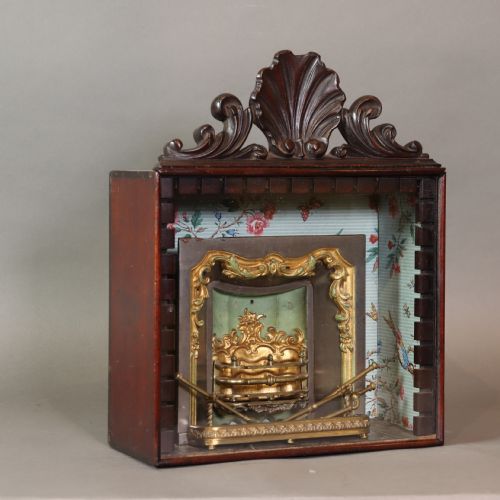


Cast Iron Hearth Grate
A cast iron hearth grate anchors a room with heavy metalwork built to hold a proper hearth fire.

Cast Iron Hearth Grate
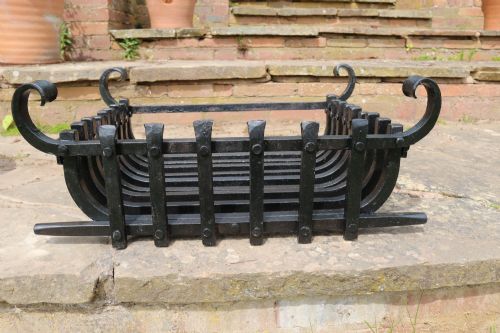
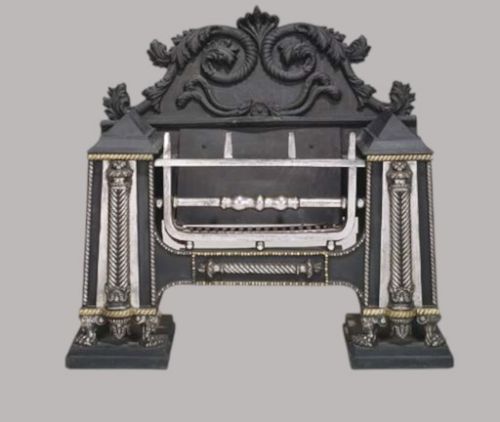
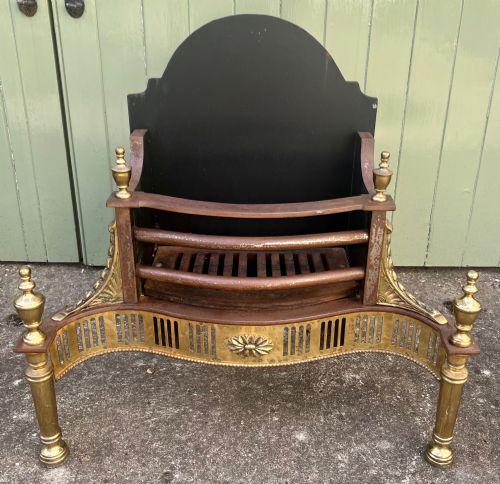
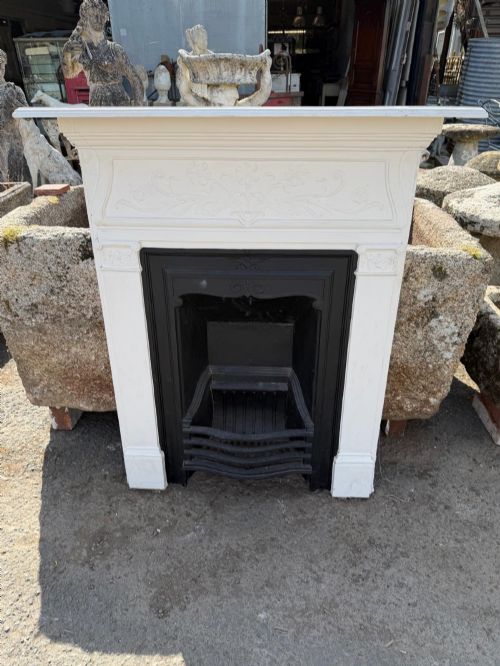
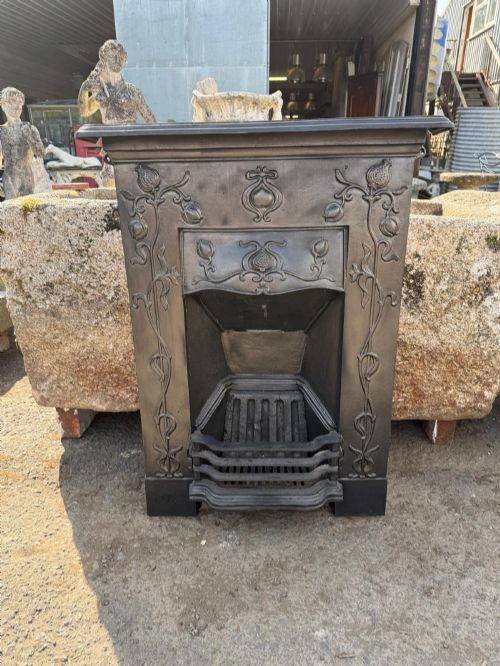
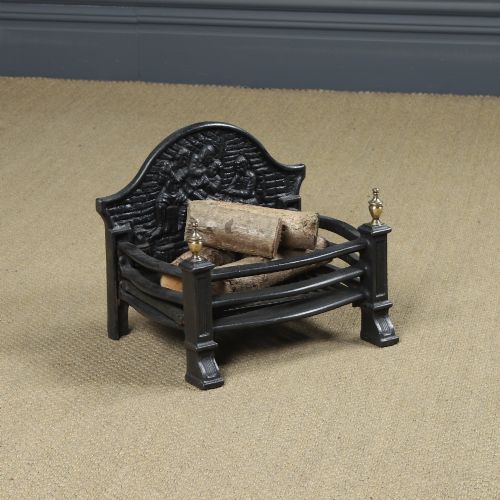
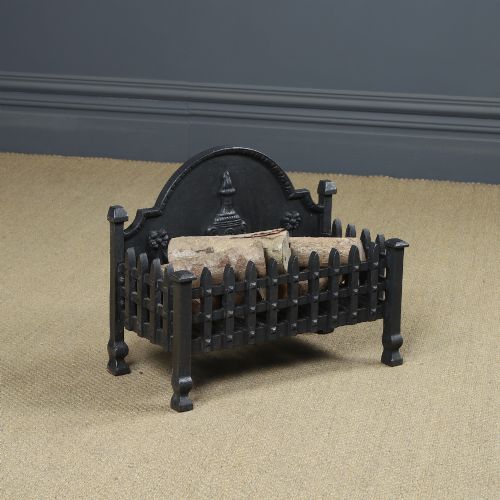
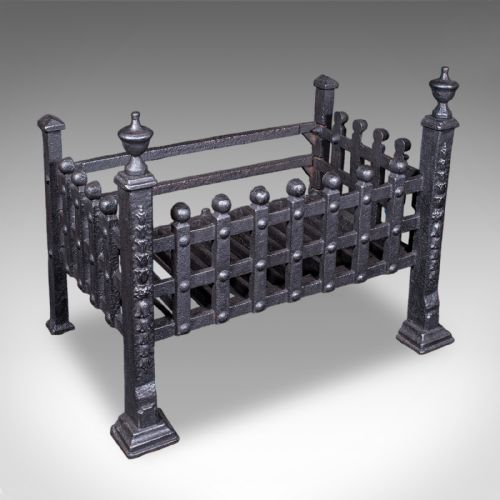
A cast iron hearth grate provides a heavy metal structure designed to contain burning logs or coal within a fireplace opening. When you examine a cast iron hearth grate on this page, you meet pieces ranging from compact hob grates and freestanding fire baskets to large inglenook assemblies paired with andirons.
The selection draws on periods spanning the Georgian and Regency eras through to Victorian times and the later Arts and Crafts movement. Most examples combine cast iron with wrought iron, brass, or firebrick to handle the heat of daily use.
Metal weight and proportion
Quality rests primarily in the thickness of the metal and the integrity of the casting. Superior examples utilise heavy, uniform sections of cast iron that resist warping under intense heat, whereas lighter pieces show thinner walls and simpler joints.
The balance of the design also separates standard items from finer work. Better grates integrate brass detailing and forged wrought iron elements that align precisely with the proportions of the main basket.
Cast Iron Hearth Grate Retail Price Guide 2026
Typical asking prices for cast iron hearth grate among the pieces listed under this phrase on Sellingantiques today, from the lower quarter to the upper quarter. They describe what is for sale here now, not the wider market.
Items include miniature salesman samples alongside full-size inglenook baskets and register grates.
The Cast Iron Hearth Grate Glossary
- Hob grate
- A fireplace grate featuring flat raised metal ledges on either side designed for keeping kettles warm. These units became popular during the Georgian period.
- Andirons
- Supporting metal fire dogs placed on the hearth to hold logs above the base of the grate. They often accompany larger baskets in deep fireplaces.
- Fire back
- A heavy iron plate placed at the back of a hearth to reflect heat into the room and protect the masonry wall. They frequently display heraldic or classical cast reliefs.
- Register grate
- A fireplace insert equipped with a movable metal flap to control the draught up the chimney. This type offers regulation over the airflow of the fire.
- Inglenook
- A large recessed hearth space built to accommodate substantial fire grates and seating on either side. These installations require heavy-duty iron assemblies to manage large fires.
Cast Iron Hearth Grate: Frequently Asked Questions
How do I choose the right size?
Measure the width, depth, and height of your fireplace opening carefully before selecting a grate. Leave adequate clearance around the basket for airflow and safety against the masonry.
Compare these internal dimensions with the measurements of the individual piece to ensure the frame sits squarely on the hearth floor.
Can I burn real wood in these?
Many of these pieces are built to hold solid fuel or logs, particularly those constructed with thick cast iron and firebrick linings. Heavy fire baskets and open hearth grates handle wood burning effectively.
Check the condition of the base bars and the backplate to confirm the metal remains solid and free from deep thermal cracking before lighting a fire.
How do I clean cast iron?
Remove ash and soot regularly using a stiff brush and a small vacuum attachment to prevent moisture from combining with residue and causing rust. Wipe the metal surfaces with a dry cloth.
Apply a light coating of grate polish or natural oil with a soft cloth to maintain the dark finish and protect the iron from damp air in the room.
Are brass parts removable?
Brass rails, finials, and mounts are typically secured with threaded bolts or pins attached directly to the main iron frame. Some components lift off for separate polishing.
Avoid forcing any fitted brass elements during cleaning, as older fixings can shear if turned too sharply after decades of heat exposure.