
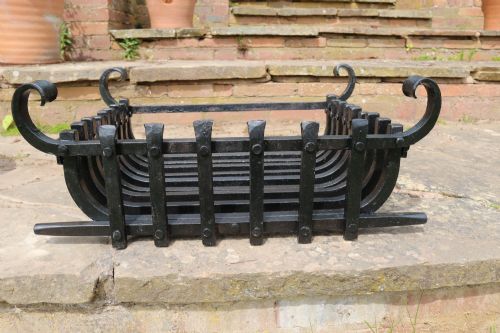
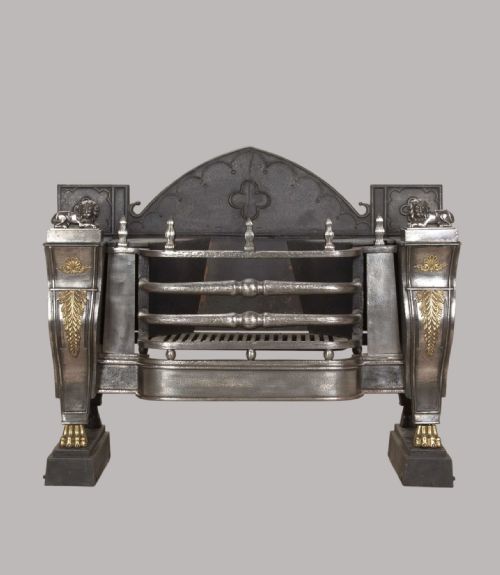
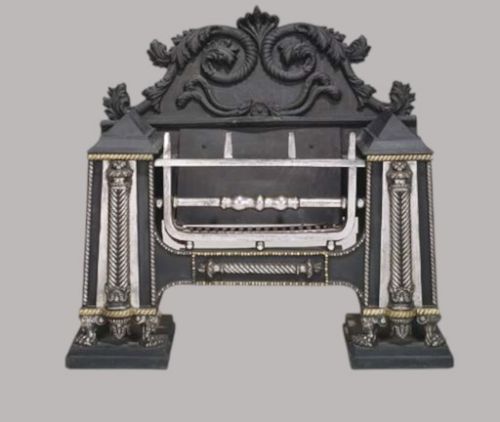
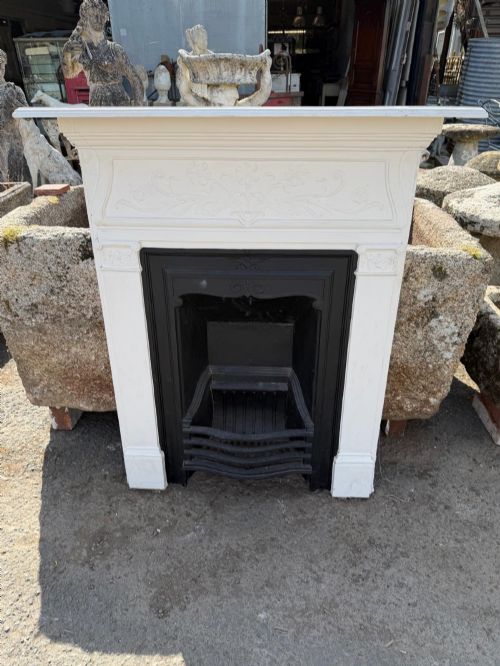
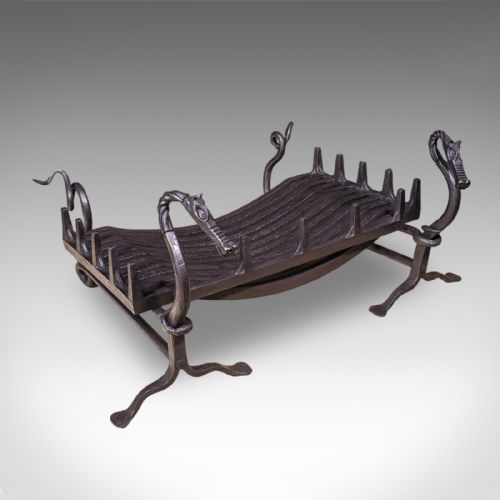


Black Iron Fire Grate
A black iron fire grate provides a functional hearth centrepiece, combining heavy metalwork with enduring utility for solid fuel fires.

Black Iron Fire Grate
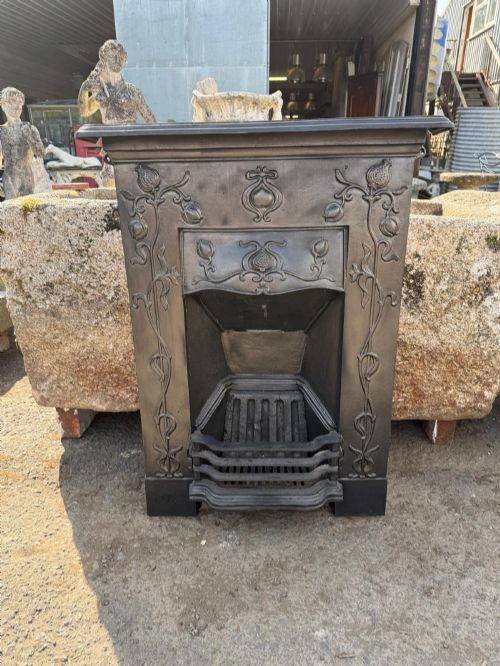
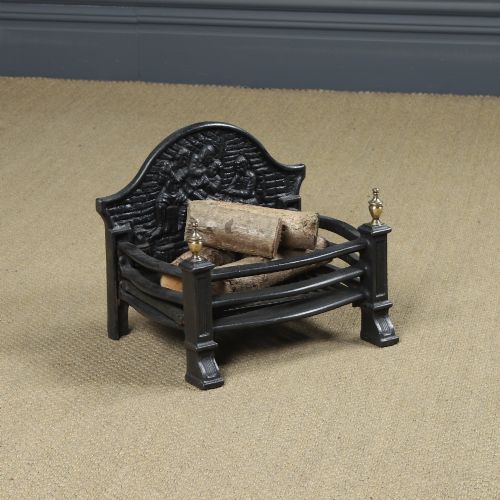
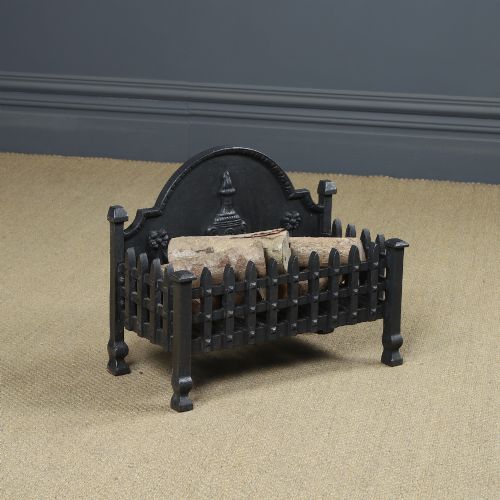
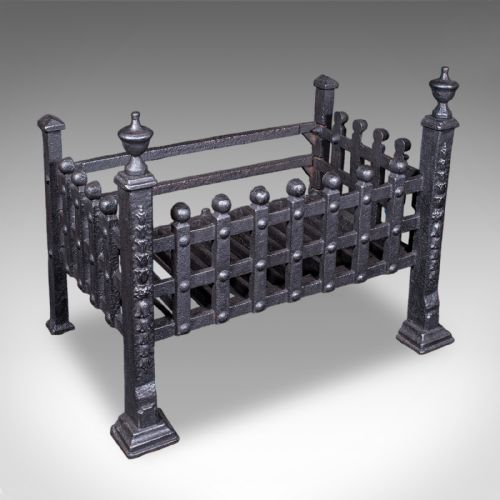
A black iron fire grate serves as the primary vessel for holding fuel within a domestic hearth, originating in periods ranging from the Georgian era through to the 1930s. These items appear in various forms including fire baskets, register grates, combination fireplaces, and freestanding hearth sets complete with andirons.
Buyers most frequently encounter Victorian and 19th-century examples alongside items dated to the 1920s and 1930s. The selection spans distinct aesthetic movements, featuring Gothic Revival, Regency, Neoclassical, and Arts and Crafts styles designed to suit open hearths and inglenook spaces.
Materials and construction methods
Makers utilised cast iron and wrought iron as the primary structural materials, often pairing the heavy metalwork with elements of brass, firebrick, and timber. Cast iron components allowed for intricate moulding and durability under intense heat, while wrought iron provided strength for forged fire baskets and supporting bars.
Construction techniques combined founding and blacksmithing traditions to produce heavy, solid assemblies. Individual pieces frequently integrate fire backs, fenders, and matching andirons to form complete fireplace systems capable of withstanding daily hearth usage.
Black Iron Fire Grate Retail Price Guide 2026
Typical asking prices for black iron fire grate among the pieces listed under this phrase on Sellingantiques today, from the lower quarter to the upper quarter. They describe what is for sale here now, not the wider market.
Listings feature items spanning the Georgian, Regency, Victorian, and Edwardian periods alongside 1920 and 1930 interpretations.
Evaluating the standard of workmanship
Quality separates utilitarian hearth furniture from exceptional examples through the fineness of the ironwork and the clarity of decorative motifs. Superior pieces demonstrate precise casting, well-defined classical or Gothic detailing, and robust, heavy proportions that indicate substantial material weight.
The integration of complementary materials such as brass highlights the tier of manufacture, where finer examples balance decorative ornamentation with structural integrity. Pieces retaining original matching andirons, fire backs, or integral hobs represent more complete and cohesive examples of period design.
The Black Iron Fire Grate Glossary
- Fire grate
- A metal basket or framework designed to hold burning fuel safely within a fireplace. It sits directly on the hearth or on supporting legs.
- Andirons
- A pair of horizontal metal supports placed in a fireplace to hold logs above the hearth floor. They often accompany fire baskets to complete the hearth arrangement.
- Hob grate
- A fireplace design featuring raised side platforms adjacent to the fire basket used for warming kettles or food. This style appears frequently in Georgian and Regency interiors.
- Fire back
- A heavy iron plate placed against the rear wall of a fireplace to protect the masonry and reflect heat back into the room. They frequently display cast motifs or armorial designs.
- Register grate
- A fireplace insert featuring a built-in damper mechanism to control the draught and airflow up the chimney. These units offer a more enclosed alternative to open fire baskets.
Black Iron Fire Grate: Frequently Asked Questions
How do I choose the right size fire grate?
Measure the width, depth, and height of your fireplace opening carefully before selecting a grate. Allow sufficient clearance around the basket for proper airflow and safety within the hearth.
Consider the scale of the room and the fireplace recess itself. Larger inglenook spaces accommodate heavy multi-piece sets with andirons, while smaller hearths require compact standalone baskets.
Can these grates be used for burning real fires?
Many historic grates are built from robust cast iron and wrought iron designed to hold solid fuel such as coal or wood. Inspect the physical condition of the metal bars and firebrick linings to ensure they remain sound.
Consult a qualified chimney sweep or fireplace specialist before lighting a fire in any historic hearth installation. Proper clearance and a clear flue are essential for safe operation.
What is the difference between cast iron and wrought iron?
Cast iron is poured into moulds while molten, allowing for intricate decorative patterns and heavy, rigid forms. It provides the solid mass required for fire backs and register grates.
Wrought iron is worked by heating and hammering, producing a fibrous material renowned for its tensile strength and flexibility. Makers utilised wrought iron primarily for fire baskets and structural bars.
How do I clean and maintain a black iron grate?
Remove ash and debris regularly using a brush and shovel to prevent moisture retention and corrosion. Keep the iron dry and free from soot buildup.
Apply a traditional grate polish or black lead periodically to maintain the dark finish and protect the metal surface. Avoid harsh chemical cleaners that strip the historic patina.